


xylan coating

Armoloy Coatings

Xylan® Coating

Thin-film fluoropolymer coating for low friction and corrosion resistance

Xylan® coatings are processed exclusively at our Armoloy Texas fulfillment center

Request a Coating Consultation

What is Xylan®?

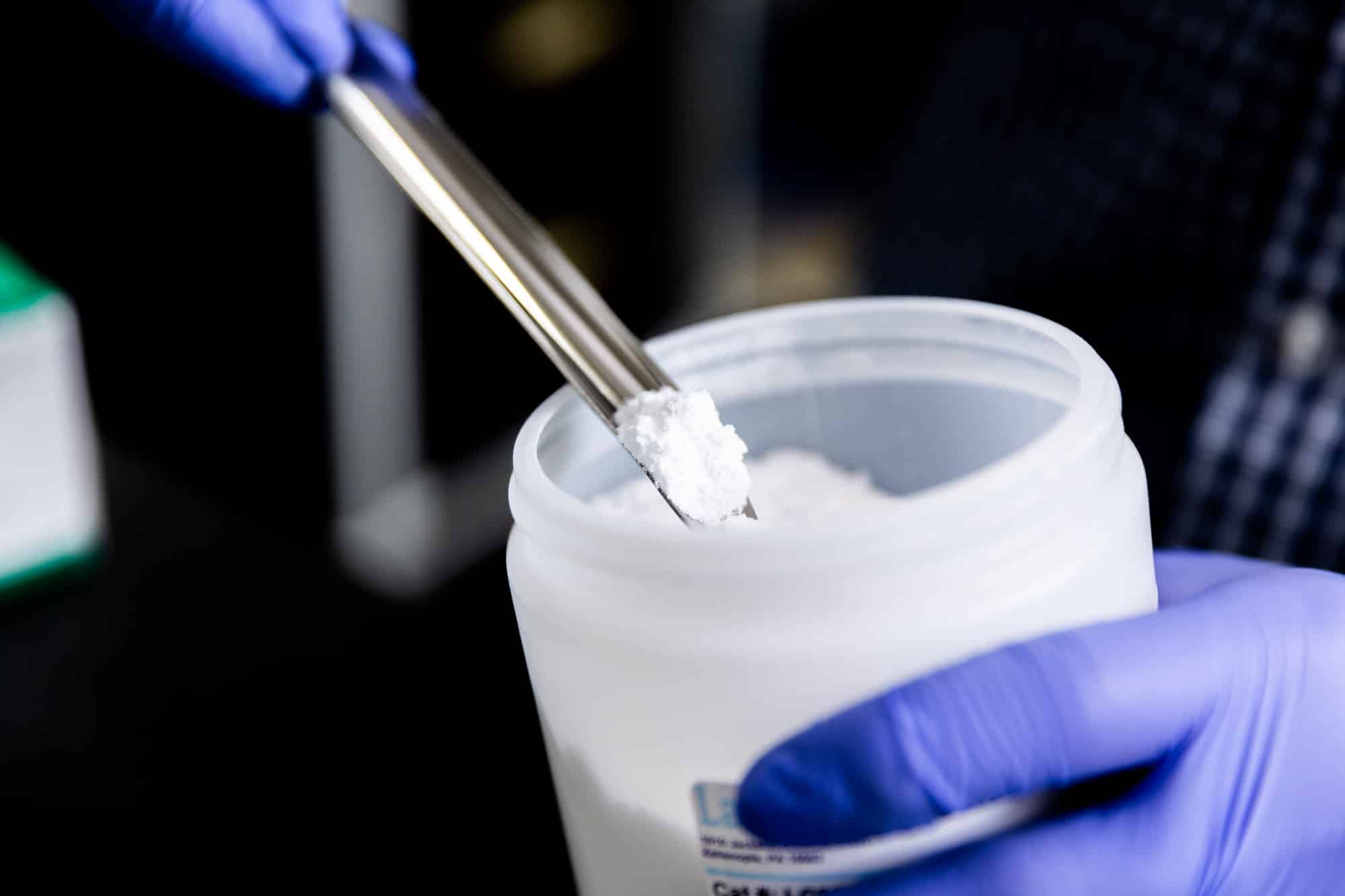
Xylan is a family of thin-film fluoropolymer coatings originally developed by Whitford Corporation, now part of PPG Industries. Built from materials such as PTFE, PFA, and FEP, Xylan coatings form a durable dry-film barrier that helps reduce friction, resist corrosion, and protect surfaces from wear, sticking, and chemical attack.

Often described as a “plastic alloy,” Xylan combines fluoropolymers with reinforced resin systems to deliver both lubricity and durability. The result is a coating that can reduce drag, prevent buildup, and improve release performance in demanding industrial environments.

Unlike oils or greases, Xylan provides dry-film lubricity without reapplication. It can be applied in ultra-thin layers, making it well-suited for precision components that need surface protection without significant dimensional change.

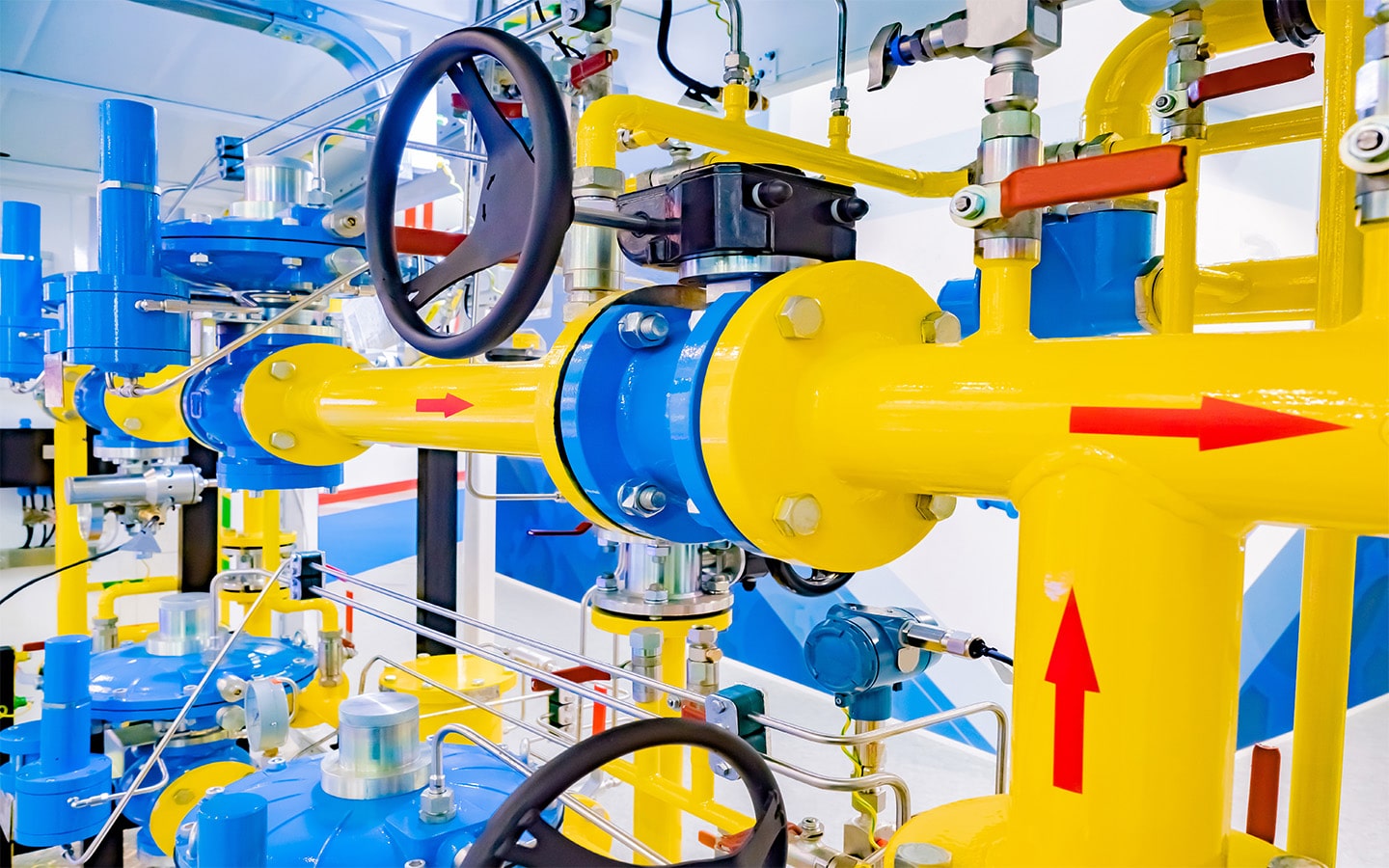
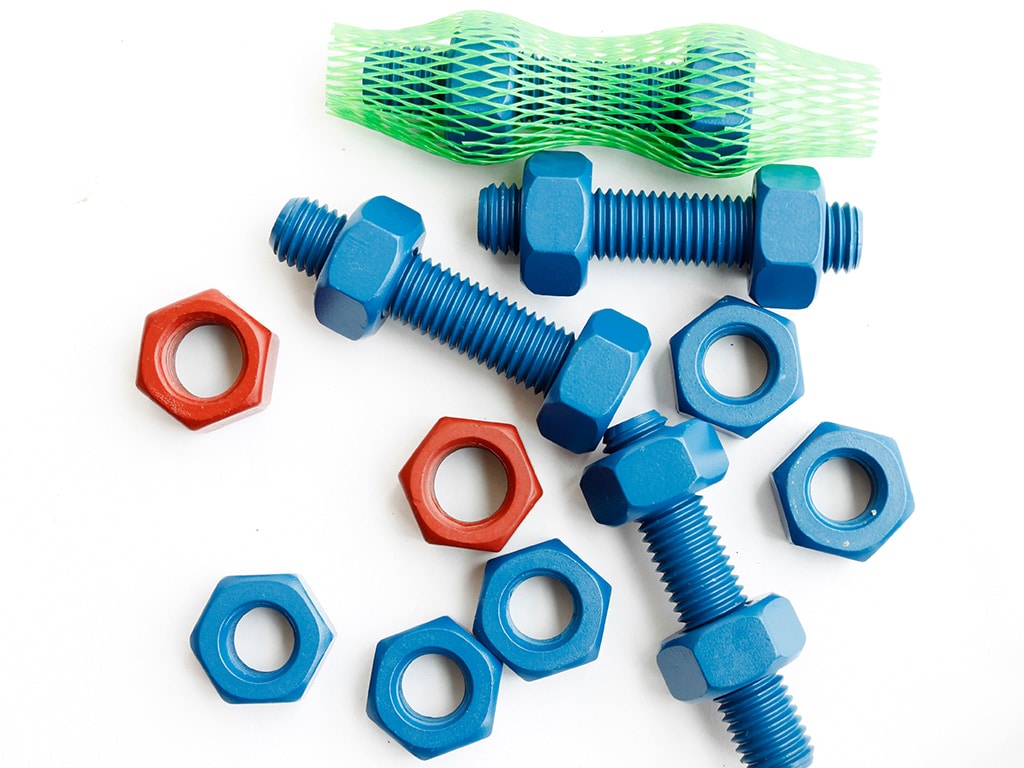
Xylan coatings are used across industrial and consumer applications — including fasteners, pumps, molds, and cookware — where low friction, corrosion resistance, chemical resistance, and non-stick performance are critical to long-term reliability.
xylan coating

Why Choose Xylan®?

Xylan coatings protect components from premature wear, failure, and costly maintenance. Built for extreme environments, Xylan offers lasting protection where traditional coatings fall short.

Here’s why manufacturers, engineers, and designers choose Xylan:

  • Corrosion Resistance: Forms a tough barrier against saltwater, chemicals, and harsh environments to extend component life.
  • Friction and Wear Reduction: Low-friction surface minimizes mechanical wear and keeps parts running smoothly.
  • Buildup Prevention: Xylan’s nonstick properties reduce material buildup, lowering the risk of clogs, jamming, and downtime.
  • Precision Protection: Applies as an ultra-thin film that preserves tight tolerances and complex geometries.

From offshore oil platforms to food production lines, Xylan coatings are trusted to solve real-world surface challenges in industries where failure isn’t an option.

Request information

XYLAN

Coating Profile

Select a circle to replace the panel on the right.


01 / 04 STATISTICS

Performance Statistics

Xylan plating provides the measured performance characteristics:

02 / 04 BENEFITS

Key Benefits

Xylan plating provides the following performance and processing advantages:

  • — Controlled Low Friction
  • — Corrosion Resistance
  • — High Temperature Capability
  • — Chemical Resistance
  • — Dry-Film Lubrication
  • — Favorable Torque Values

03 / 04 APPLICATIONS

Common Applications

Xylan plating has been used in many industries and applications including:

04 / 04 FAQS

Common Questions

04 / 04 FAQS

Common Questions

Xylan® is a family of thin-film fluoropolymer coatings designed to reduce friction, resist corrosion, and improve non-stick or release performance on industrial and commercial components.

Built from fluoropolymers such as PTFE, PFA, and FEP, Xylan coatings form a durable dry-film barrier that protects surfaces from wear, sticking, and chemical attack.

04 / 04 FAQS

Common Questions

Xylan® coatings are used on components such as fasteners, pumps, pistons, molds, dies, pipe, compressor parts, and cookware where lower friction, corrosion resistance, or non-stick performance is required.

In industrial environments, they are commonly applied in offshore oil production, process equipment, and food processing applications where surfaces must resist wear, corrosion, and material buildup.

04 / 04 FAQS

Common Questions

Xylan® works by combining fluoropolymers with reinforced resin systems to form a thin protective film. The fluoropolymers reduce friction and sticking, while the resin system improves durability and wear resistance.

04 / 04 FAQS

Common Questions

Xylan® is a composite fluoropolymer coating system, while many non-stick coatings are based on a single material such as PTFE. By combining fluoropolymers with reinforced resins, Xylan can deliver low friction, corrosion resistance, chemical resistance, and dry-film durability in a single coating. The best choice depends on the substrate, environment, and performance requirements.

Compare Armoloy Coatings

Thin Dense Chrome Nickel Hard Chrome Xylan Molybdenum Disulfide
Common Industries Precision Bearings, Medical Instruments and Devices, Robotics, Linear Motion Systems, Molds, Dies, and much more. Packaging, Blister-Pack Molding, Automotive, Electronics, and more. Shafts, Molds, Dies, Hydraulic and Pneumatic Rods, Industrial Rolls, and more. Fasteners and Threaded Components, Molds, Pumps, Pistons, Valves, Marine Equipment, and more. Microelectronics, Photovoltaics, Automotive, Sliding Applications, Vacuum Systems, and more.
Generally Used For
Corrosion Resistance
Wear Resistance
Improves Machine Performance
Corrosion Resistance
Wear Resistance
Wear Resistance
Corrosion Resistance
Release
Corrosion Resistance
Release
Lubricity
Advantages Thin Dense Chrome is a pure metallic zero valence chromium coating that prevents metal failures and improves machine performance. Nickel coatings are renowned for their corrosion and wear resistance. Hard chrome plating is selected for applications that require surface durability, dimensional restoration, and reliable performance under load and motion. Xylan is built for extreme environments where corrosion resistance, friction and wear reduction, and buildup prevention are paramount. Molybdenum Disulfide is known for its exceptional lubrication, high load-bearing capacity, and temperature resistance.
Thickness
1.27 – 25.4 µm
0.00005″ – 0.001″
2.54 – 76.2 µm
0.0001″ – 0.003″
25.4 – 762 µm
0.001″ – 0.03″
12 – 38 µm
0.0005″ – 0.0015″
5.08 – 7.62 µm
0.0002″ – 0.0004″

Chemical Resistance Chart

The table below summarizes chemical exposure conditions, concentration levels, test duration, and observed effect.

Chemical resistance data by chemical type, concentration, exposure time, and observed effect.
Category Chemical Concentration Hours Effect
Water Deionized – boiling 100% 1,000 None
Water Salt, immersed 30% 4,000 None
Water Salt, spray 5% 1,000 None
Water Tap water at 250°F / 121°C @ 10,000 psi 100% 24 None
Acids Hydrochloric 36% 24 None
Acids Hydrochloric 15% 150 None
Acids Hydrochloric 2 pH 300 None
Acids Hydrochloric at 125°F / 50°C 2 pH 300 None
Acids Sulfuric 25% 1,500 None
Acids Nitric 35% 24 None
Acids Picric Saturated solution 120 None
Base Caustic 2% 24 None
Base Caustic 100% 336 Slight
Base Caustic 12.5 pH 150 Slight
Base Caustic 9.5 pH 300 None
Base Caustic at 125°F / 50°C 9.5 pH 300 Slight
Solvents Acetone 100% 1,500 None
Solvents Benzene 100% 1,500 None
Solvents DMAC 100% 1,500 None
Solvents Ethanol 100% 1,500 None
Solvents Fluorocarbons 12, 22, 113 100% 1,500 None
Solvents M.E.K. 100% 120 None
Solvents Methanol 100% 1,500 None
Solvents Methylene chloride 100% 1,500 None
Solvents Perchloroethylene 100% 1,500 None
Solvents Phenol 5% 120 None
Solvents Toluene 100% 120 None
Solvents Xylene 100% 1,500 None
Other Fluids Sydrol, hydraulic fluid 100% 1,500 None
Other Fluids JP-4, jet fuel 100% 1,500 None
Other Fluids Brake fluid, auto 100% 1,500 None
Other Fluids H2O + gas at 250°F / 121°C @ 2,000 psi 79% CH4, 6% CO2, 15% H2S 24 None
background bubble helix decoration

Additional Frequently Asked Questions

Contact Us

Facing friction or chemicals? Let’s protect with Xylan®

Request Information
This field is for validation purposes and should be left unchanged.
First name
Last name
We need an email to send quotes to
For a prompt response from the right location
To get you to the right expert
Do you require a specific accreditation?
i.e. AMS, MIL, ASTM, etc.
Drop files here or
Accepted file types: jpg, pdf, png, Max. file size: 128 MB.
    (CAD files not accepted)