







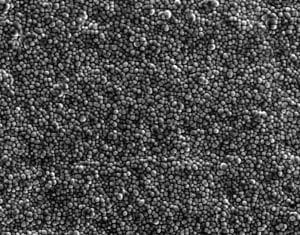

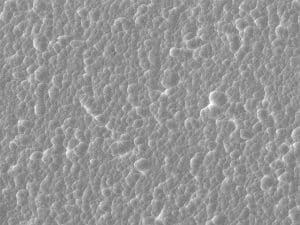
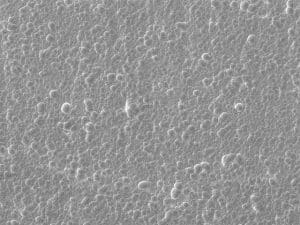
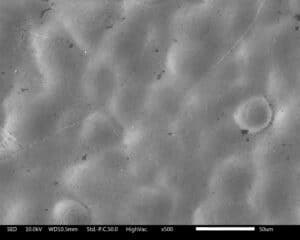





High-phosphorus electroless nickel (10–13% P) is selected for corrosion resistance due to its low-porosity, amorphous structure. Low-phosphorus deposits are more crystalline and are typically used for wear-focused applications. The best choice depends on your corrosion exposure, wear needs, magnetic requirements, and specification constraints.
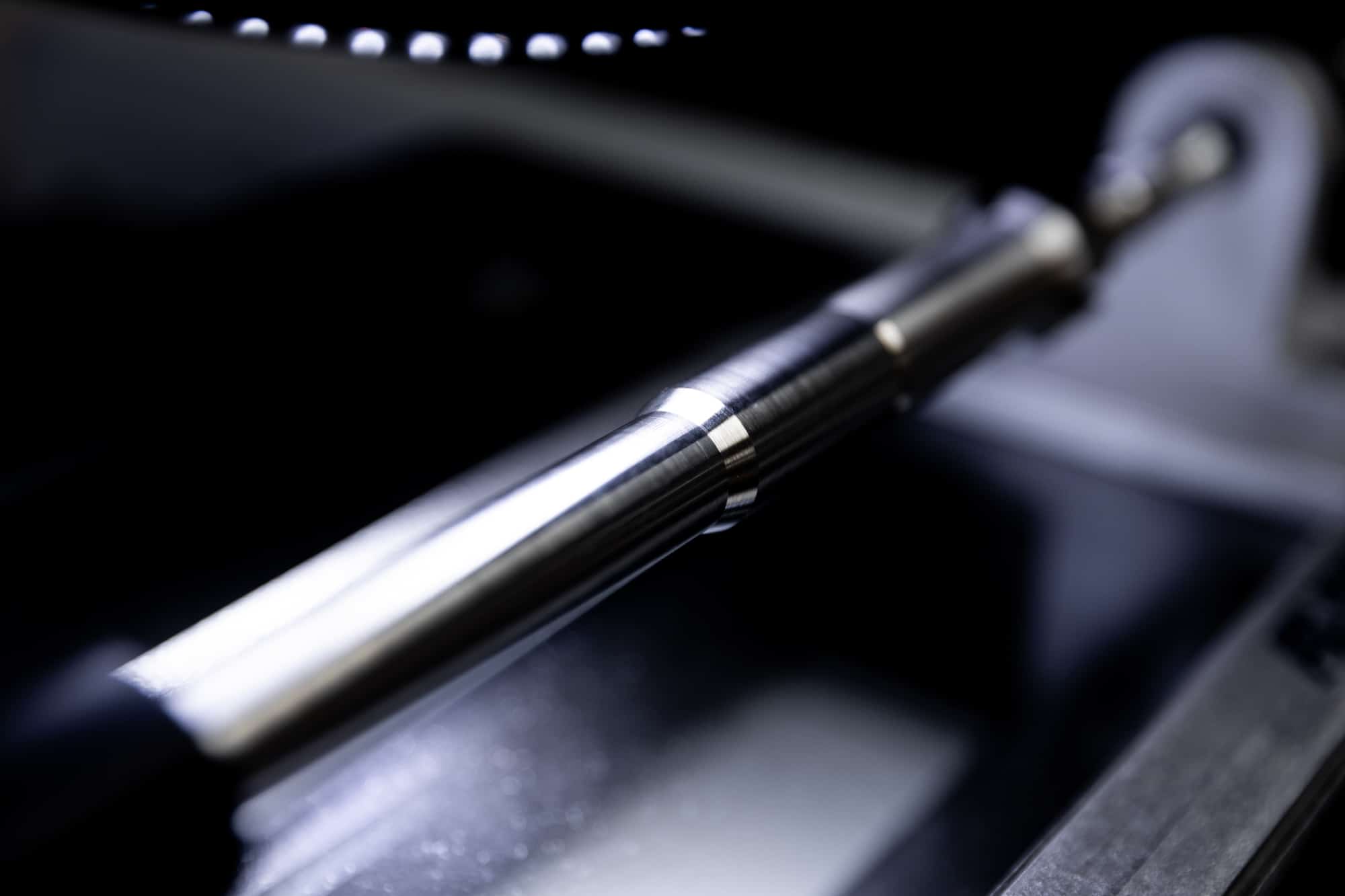
High-Phos Electroless Nickel
Uniform 10–13% P coating for corrosion protection on complex geometries
Armoloy coatings
What is High-Phos Electroless Nickel?
Armoloy High-Phos Electroless Nickel (10–13% P) is a nickel–phosphorus alloy coating deposited through an autocatalytic process without electrical current. The coating builds evenly across the entire part, including edges, grooves, threads, and internal cavities where traditional electroplating can vary.
The high phosphorus content produces an amorphous, low-porosity structure that improves resistance to corrosion in aggressive environments such as salt exposure, chemical processing, and oil and gas operations. This uniform structure allows the coating to cover complex geometries without thickness buildup or edge variation that can affect fit or performance.
Typical deposit thickness ranges from .0001” to .003”, supporting both precision components and thicker builds for repair or life extension. As-deposited hardness is typically above 55 HRC and can be increased with heat treatment when additional wear resistance is required.
High-Phos Electroless Nickel is commonly specified to ASTM B733, MIL-C-26074, and AMS 2404 for applications where corrosion resistance, uniform coverage, and predictable performance are critical.
Performance Characteristics
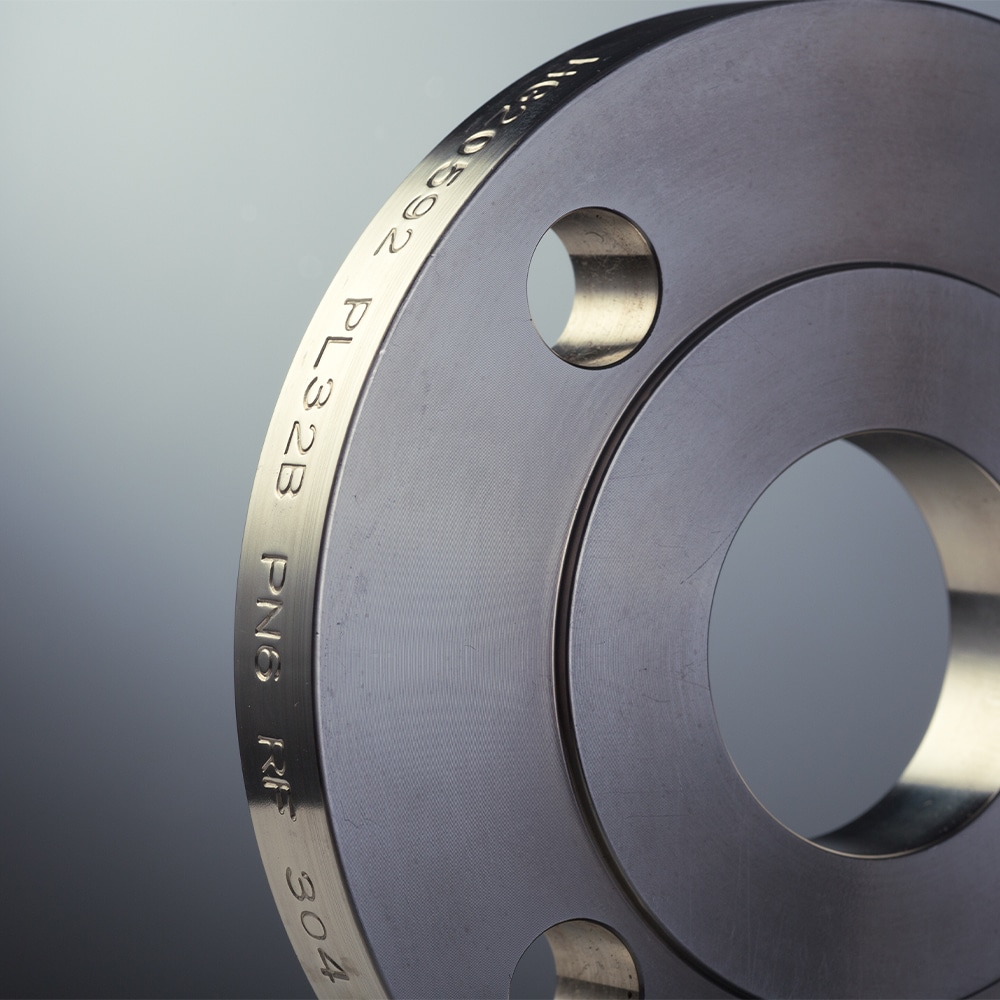
High Phos Electroless Nickel by the Numbers
- 10-13% Phosphorus content
- Deposit range of .0001” to .003” (2.54 to 76.2 µm)
- Up to 67Rc hardness with heat treatment
- Corrosion resistance tested per ASTM B-117
- Up to 67% reduction in coefficient of friction
- Low processing temperature, <200°F (93°C)
- Thermal conductivity 0.010 (Cal/cm/sec/°C)
- Max working temperature of 400°C (752°F)
- Electrical resistivity 75 – 110 (µOHM-cm)
- Coefficient of thermal expansion 8 – 10 µm/m/°C

When to Choose High-Phos Electroless Nickel
High-Phos Electroless Nickel is often selected when components must perform consistently across different base materials. The coating applies to a wide range of substrates, including steels, stainless steels, aluminum alloys, and certain plastics. This makes it a practical choice for assemblies with mixed materials or varied component types.
It is also commonly used in repair and refurbishment workflows where restoring worn or undersized components is preferred over replacement. The process supports controlled thickness build-up, and in many cases, the coating can be stripped and reapplied to extend the usable life of critical parts.
At higher phosphorus levels, the deposit exhibits non-magnetic properties, making it suitable for applications such as sensors, electronic systems, and precision instrumentation where magnetic interference must be minimized.
In applications where both corrosion resistance and wear performance are required, High-Phos Electroless Nickel can be used in combination with Thin Dense Chrome (TDC). This approach allows corrosion protection and surface hardness to be optimized separately, depending on the demands of the application.
Compare Armoloy Coatings
| Thin Dense Chrome | Nickel | Hard Chrome | Xylan | Molybdenum Disulfide | |
|---|---|---|---|---|---|
| Common Industries | Precision Bearings, Medical Instruments and Devices, Robotics, Linear Motion Systems, Molds, Dies, and much more. | Packaging, Blister-Pack Molding, Automotive, Electronics, and more. | Shafts, Molds, Dies, Hydraulic and Pneumatic Rods, Industrial Rolls, and more. | Fasteners and Threaded Components, Molds, Pumps, Pistons, Valves, Marine Equipment, and more. | Microelectronics, Photovoltaics, Automotive, Sliding Applications, Vacuum Systems, and more. |
| Generally Used For |
Corrosion Resistance
Wear Resistance
Improves Machine Performance
|
Corrosion Resistance
Wear Resistance
|
Wear Resistance
Corrosion Resistance
|
Release
Corrosion Resistance
|
Release
Lubricity
|
| Advantages | Thin Dense Chrome is a pure metallic zero valence chromium coating that prevents metal failures and improves machine performance. | Nickel coatings are renowned for their corrosion and wear resistance. | Hard chrome plating is selected for applications that require surface durability, dimensional restoration, and reliable performance under load and motion. | Xylan is built for extreme environments where corrosion resistance, friction and wear reduction, and buildup prevention are paramount. | Molybdenum Disulfide is known for its exceptional lubrication, high load-bearing capacity, and temperature resistance. |
| Thickness |
1.27 – 25.4 µm
0.00005″ – 0.001″
|
2.54 – 76.2 µm
0.0001″ – 0.003″
|
25.4 – 762 µm
0.001″ – 0.03″
|
12 – 38 µm
0.0005″ – 0.0015″
|
5.08 – 7.62 µm
0.0002″ – 0.0004″
|
Armoloy coatings have passed the rigorous testing standards for the following accreditations:
- AS9100D
- ISO 9001:2015
- ISO 14001:2015
- REACH Compliance
- Nadcap
- ISO 19011
- RoHS Compliance
- WEEE Compliance
Armoloy ensures compliance with industry standards and specifications to include:
- ASTM B733 Electroless Nickel-Phosphorus Coatings
- ASTM B117 Salt Spray Fog Test Standard
- ASTM B578 Microhardness of Electroplated Coatings
- Fisher General Specification FGS 8B7, Electroless Nickel Coatings
- Fisher General Specification FGS 8B10, Electroless Nickel Coatings
- Aerospace Material Specification SAE AMS2404, Plating, Electroless Nickel
- Aerospace Material Specification SAE AMS2403, Nickel Plating General Purpose
- MIL-C26074 Military Specification, Coatings, Electroless Nickel, Requirements
- Aerospace Material Specification SAE AMS2405, Electroless Nickel Plating Low Phosphorous

High Phos Electroless Nickel Features & Benefits
High corrosion resistance
Amorphous nature of deposit eliminates potential for intergranular corrosion
Ductile and malleable
Retains good high temperature properties
Provides long-lasting protection
Against corrosion, even in harsh environments
Improved acid resistance
Suitable for chemical processing industries, resisting a wide range of chemicals
Reduced porosity
Prevents substance seepage, crucial for hygiene food processing applications
Solderability and conductivity
Easily soldered and provides good electrical conductivity
Hardness
Electroless nickel hardness can be increased with heat treatment, making it suitable for hard surface requirements
Lubricious characteristics
Some electroless nickel processes integrate lubricious particles, further decreasing the coefficient of friction
Can be combined with thin dense chrome (TDC)
Supports layered coating strategies where corrosion protection and wear resistance are both required
Shiny and reflective finish
Enhances the appearance of the metal
Good wear resistance
Enhanced durability in high-friction applications by reducing wear and tear
Easily applied onto other metals
Including steel, aluminum, and copper
Additional Metal Treatments

Why Partner with Armoloy?
Armoloy supports your project from concept to production with surface engineering expertise built around real-world performance needs. Whether you are designing a new component or solving a failure in the field, our team can help identify the right coating solution, validate its performance, and support a successful production launch.
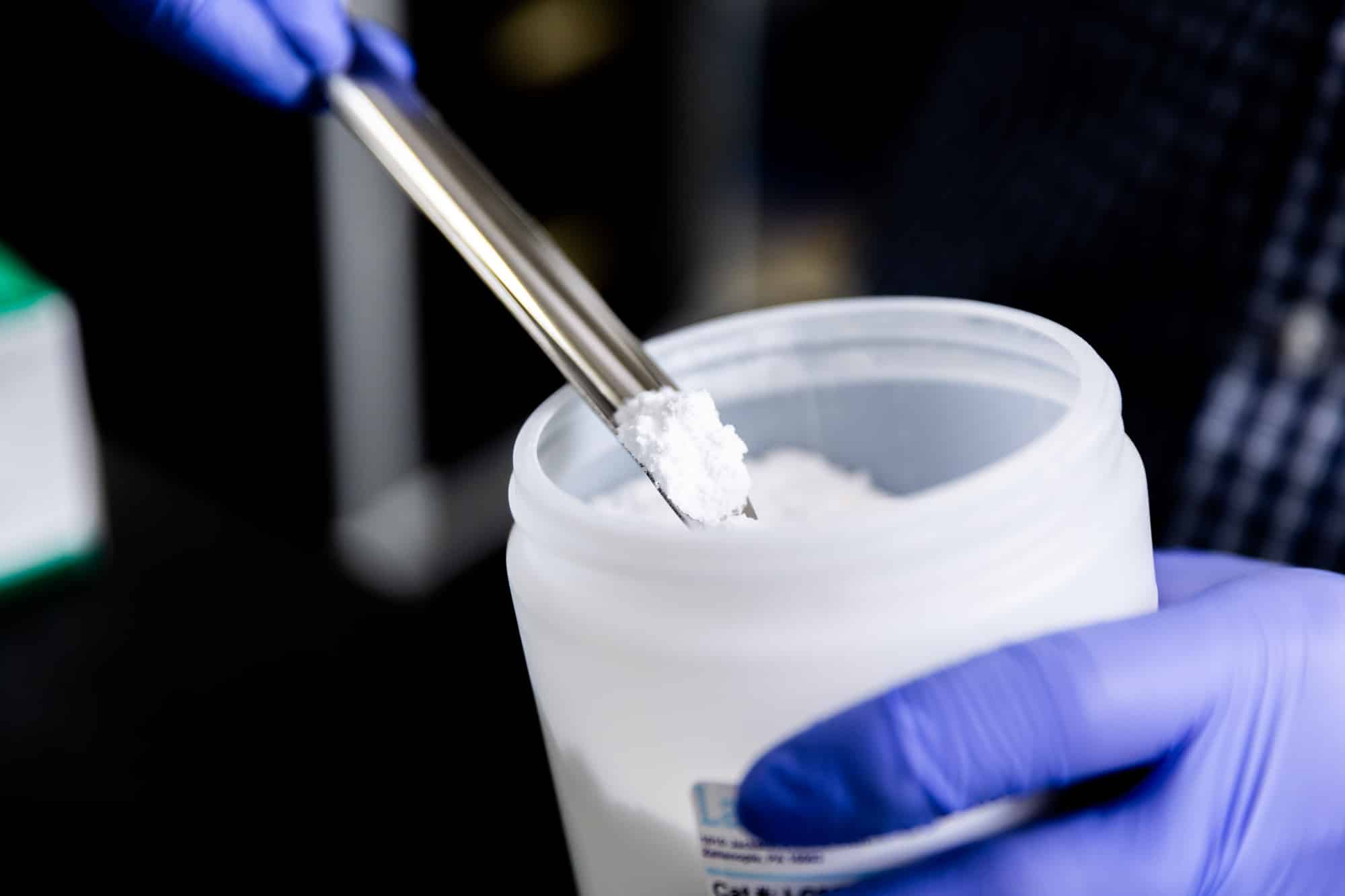
Research & Development
Fully equipped R&D plating lab for test runs, prototyping, and continual development of our plating technologies. Our turnkey approach ensures high-quality outcomes for your project.

Process Development & Validation
Support from design to product launch with coating selection, prototyping, testing, PPAP validation, and plating production on any scale. We also support a range of ASTM and AMS test methods with a Nadcap-certified laboratory.
Fulfillment
Armoloy ensures the development of a robust plating process that can be distributed to one of our 15 plating facilities. We’ll handle prototyping, process validation, and much more.
Frequently Asked Questions
High-Phos Electroless Nickel (typically in the 10–13% phosphorus range) is commonly specified for maximum corrosion resistance because the deposit tends to be more amorphous and less porous. Final selection depends on the environment (chemicals, salt exposure, temperature), thickness requirements, and any drawing/specification callouts.
Cadmium plating is often selected for sacrificial corrosion protection and galvanic compatibility in certain assemblies, while nickel plating (including electroless nickel) is frequently chosen for corrosion resistance, hardness, and wear performance. Cadmium use may be restricted in some applications due to environmental and regulatory considerations, so nickel-based alternatives are commonly evaluated when corrosion protection and durability are required.
Electroless nickel is a coating applied to a base material to improve surface performance, while stainless steel is a bulk material. Applying electroless nickel can improve corrosion resistance and surface durability without requiring a redesign or material change.
Common specifications include ASTM B733, MIL-C-26074, and AMS 2404. These standards define coating classification, thickness, testing, and acceptance criteria based on application requirements.
Electroless nickel is deposited through an autocatalytic chemical process. Parts are cleaned and activated, then immersed in a controlled bath where the coating forms uniformly across all surfaces. Thickness is verified, and optional post-treatments such as heat treatment may be applied.
Compliance is achieved through controlled process parameters, thickness verification, and testing aligned to the required standard. Documentation typically includes inspection data, certification packages, and traceability based on customer or program requirements.
Electroless nickel is selected when uniform thickness across complex geometries is required. Electroplating relies on electrical current and can produce uneven thickness on edges and internal features. Electroless processes are preferred for precision components and parts with complex shapes.
High-phosphorus electroless nickel is used when corrosion is the primary concern. It is commonly specified for components exposed to chemicals, salt, moisture, or washdown conditions where long-term surface protection is required.
Typical thickness ranges from .0001″ to .003″, depending on the application. Thinner deposits are used for precision components, while thicker deposits are used for corrosion protection, repair, or service-life extension. Final thickness is determined by the operating environment and drawing requirements.
Contact Us
Need even, corrosion-resistant plating?
Request Information