

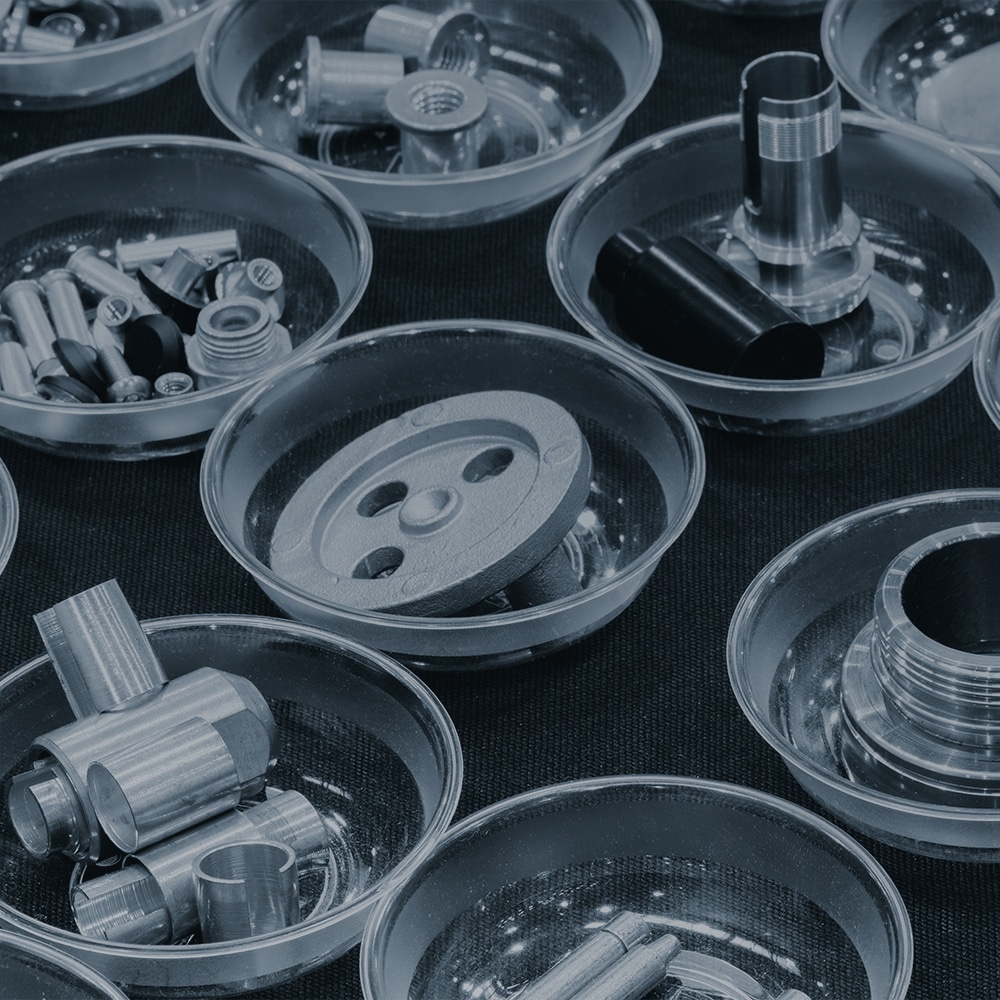





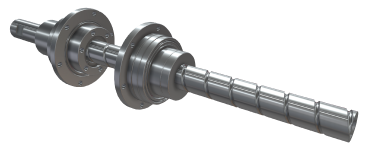

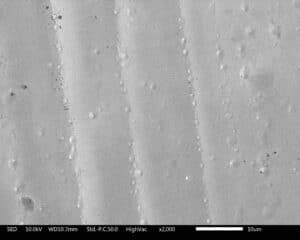

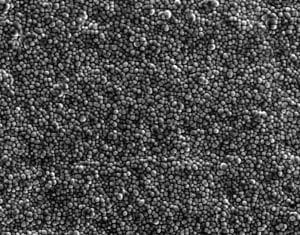

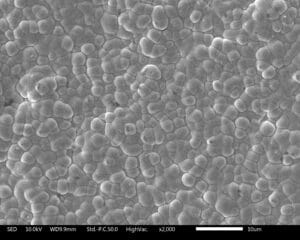


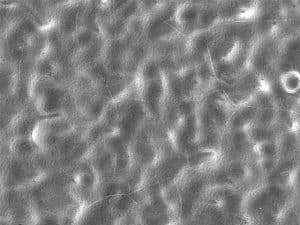

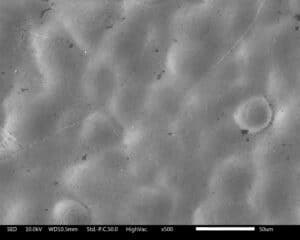

Electrolytic nickel plating is an electrodeposition process that uses direct electrical current to deposit a layer of nickel onto a conductive substrate. The thickness of the deposit is controlled by current density, resulting in non-uniform coverage that varies based on part geometry.
Electrolytic Nickel Plating
Pure Nickel Deposits for Heat Resistance and Conductivity
What is Electrolytic Nickel Plating?
Electrolytic nickel plating is a common industrial process in which a layer of pure nickel is electrochemically deposited onto a substrate. This method employs an electric current to reduce nickel ions in a solution to metallic nickel, which is then deposited onto an electrically conductive surface. The primary purpose of this process is to enhance the properties of metal or other conductive surfaces in terms of corrosion protection, conductivity, and aesthetic appeal.
Electrolytic nickel plating is particularly useful in automotive, aerospace, and electronics industries for its ability to provide a strong, uniform coating that can significantly extend the life and functionality of components. Additionally, electrolytic nickel is a favorable choice for improving the aesthetic appeal of jewelry made from non-precious or lustrous-lacking metals.
Performance Characteristics
- Heat resistant up to 1,832°F (1000°C)
- Deposit range of 0.0002″ – 0.003″
- Ductility high enough to meet or exceed AMS 2424
- Average microhardness below 300HV
- Processing Temperature <190°F (<88°C)
- Bright, semi-bright, or matte surface finish
- Conductive with most ferrous and non-ferrous metals
Need help evaluating electrolytic nickel for your application? Talk with an Engineer

Electrolytic vs. Electroless Nickel
The electrolytic and electroless nickel plating methods both serve to deposit nickel on substrates but differ fundamentally in their processes and applications. Electrolytic nickel plating requires an external electrical current to drive the deposition of nickel from an electrolyte solution onto the substrate, making it highly controllable and suitable for achieving varied thicknesses and surface characteristics. This method allows for detailed control over the aesthetics of the finish, offering options from bright to matte.
In contrast, electroless nickel plating does not use an electrical current but instead relies on a chemical reaction to deposit nickel, leading to very uniform thickness even on complex shapes. This makes it ideal for applications requiring consistent coverage over intricate surfaces and excellent corrosion resistance. Electroless plating is typically more expensive due to the chemicals used and is less customizable in terms of finish aesthetics.
Electroless nickel is also an alloy of nickel and phosphorus. While excellent for corrosion resistance, it has poor conductivity. Therefore, if improved conductivity is a requirement, electrolytic nickel should be chosen over electroless nickel plating.
Compare Armoloy Coatings
| Thin Dense Chrome | Nickel | Hard Chrome | Xylan | Molybdenum Disulfide | |
|---|---|---|---|---|---|
| Common Industries | Precision Bearings, Medical Instruments and Devices, Robotics, Linear Motion Systems, Molds, Dies, and much more. | Packaging, Blister-Pack Molding, Automotive, Electronics, and more. | Shafts, Molds, Dies, Hydraulic and Pneumatic Rods, Industrial Rolls, and more. | Fasteners and Threaded Components, Molds, Pumps, Pistons, Valves, Marine Equipment, and more. | Microelectronics, Photovoltaics, Automotive, Sliding Applications, Vacuum Systems, and more. |
| Generally Used For |
Corrosion Resistance
Wear Resistance
Improves Machine Performance
|
Corrosion Resistance
Wear Resistance
|
Wear Resistance
Corrosion Resistance
|
Release
Corrosion Resistance
|
Release
Lubricity
|
| Advantages | Thin Dense Chrome is a pure metallic zero valence chromium coating that prevents metal failures and improves machine performance. | Nickel coatings are renowned for their corrosion and wear resistance. | Hard chrome plating is selected for applications that require surface durability, dimensional restoration, and reliable performance under load and motion. | Xylan is built for extreme environments where corrosion resistance, friction and wear reduction, and buildup prevention are paramount. | Molybdenum Disulfide is known for its exceptional lubrication, high load-bearing capacity, and temperature resistance. |
| Thickness |
1.27 – 25.4 µm
0.00005″ – 0.001″
|
2.54 – 76.2 µm
0.0001″ – 0.003″
|
25.4 – 762 µm
0.001″ – 0.03″
|
12 – 38 µm
0.0005″ – 0.0015″
|
5.08 – 7.62 µm
0.0002″ – 0.0004″
|

Electrolytic Nickel Features & Benefits
Base metal compatibility
Adheres to nearly all ferrous and non-ferrous materials, and provides a low-temperature plating process (<190°F, <88°C)
Pleasing aesthetics
Offers a shiny, appealing finish that enhances the visual quality of the product
Corrosion resistance
Protects the base material from oxidizing and corroding, essential for parts exposed to harsh environments
Increased conductivity
Improves the conductivity of the surface, beneficial for electronic components
Uniform thickness
Allows for precise control over the deposition process, which can achieve uniform thickness across the coated part
High heat tolerance
Withstands post-plate firing temperatures of 1,000°C (1,832°F)
Cost effectiveness
Generally more cost-effective than electroless plating for large production volumes due to faster plating times and less chemical usage
Improved brazeability
Electrolytic nickel is used on some alloys to improve wettability during the brazing process creating stronger, more durable joints
Additional Metal Treatments

Why Partner with Armoloy?
Armoloy supports your project from concept to production with surface engineering expertise built around real-world performance needs. Whether you are designing a new component or solving a failure in the field, our team can help identify the right coating solution, validate its performance, and support a successful production launch.
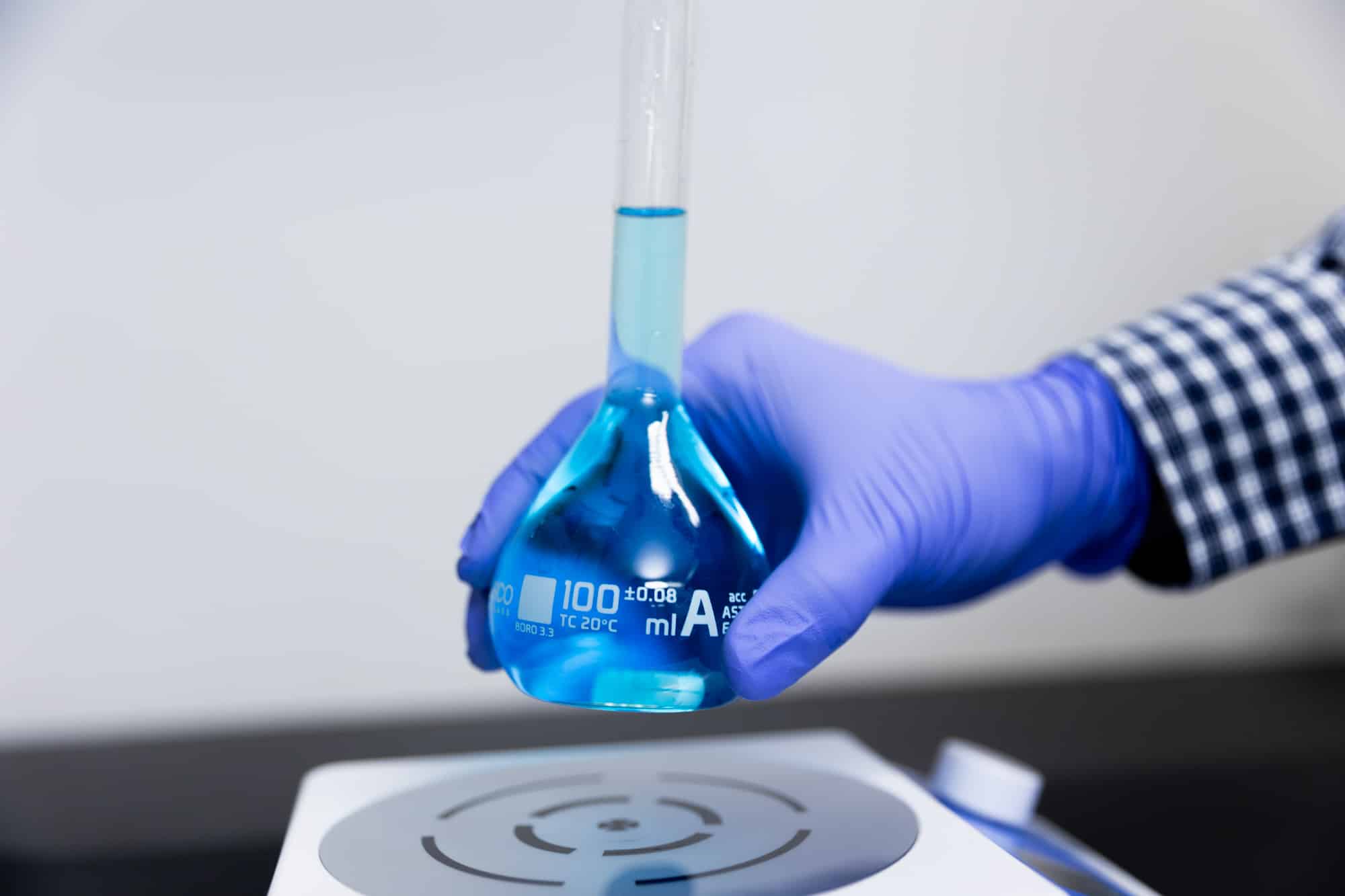
Research & Development
Fully equipped R&D plating lab for test runs, prototyping, and continual development of our plating technologies. Our turnkey approach ensures high-quality outcomes for your project.
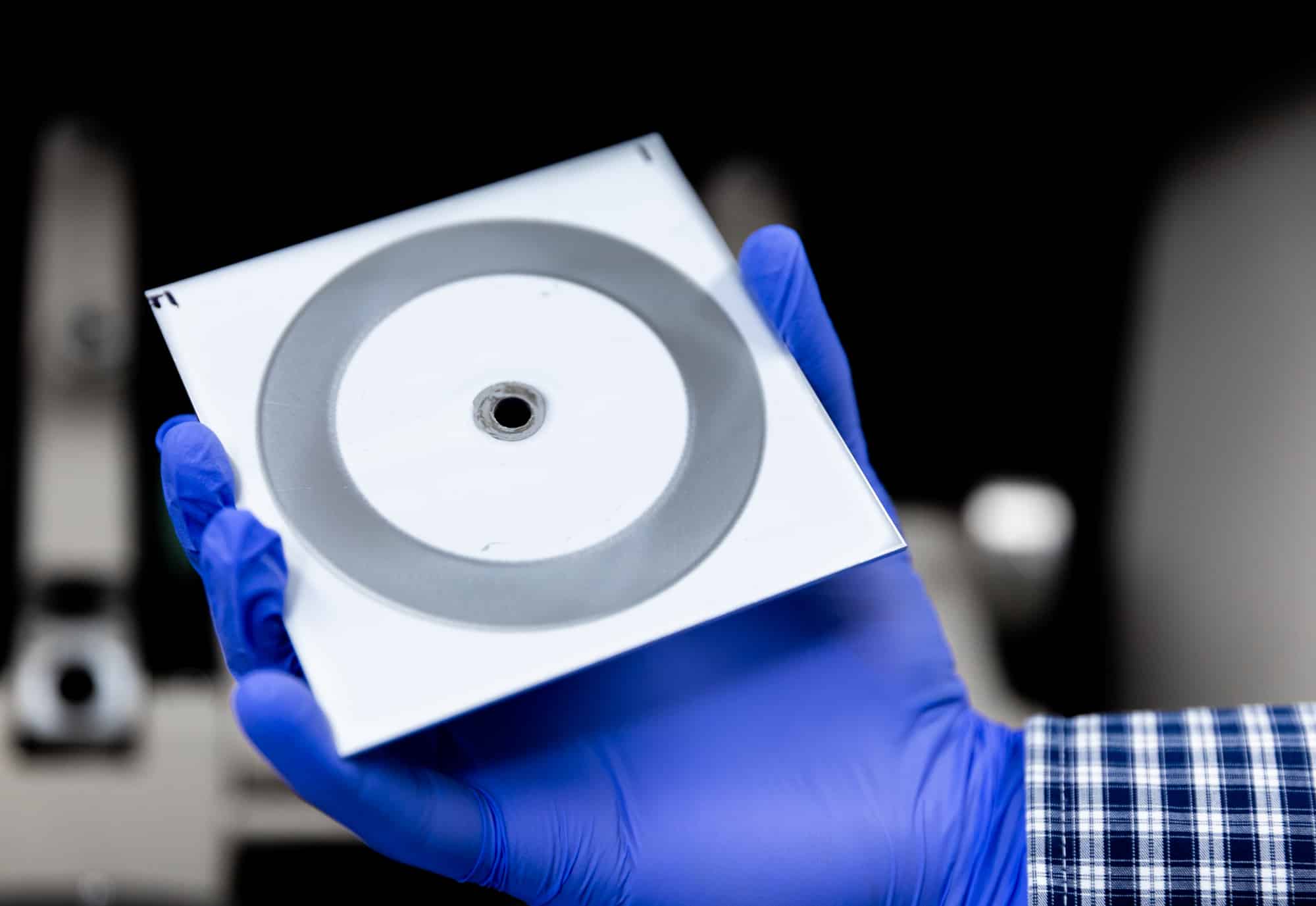
Research & Development
Support from design to product launch with coating selection, prototyping, testing, PPAP validation, and plating production on any scale. We also support a range of ASTM and AMS test methods with a Nadcap-certified laboratory.
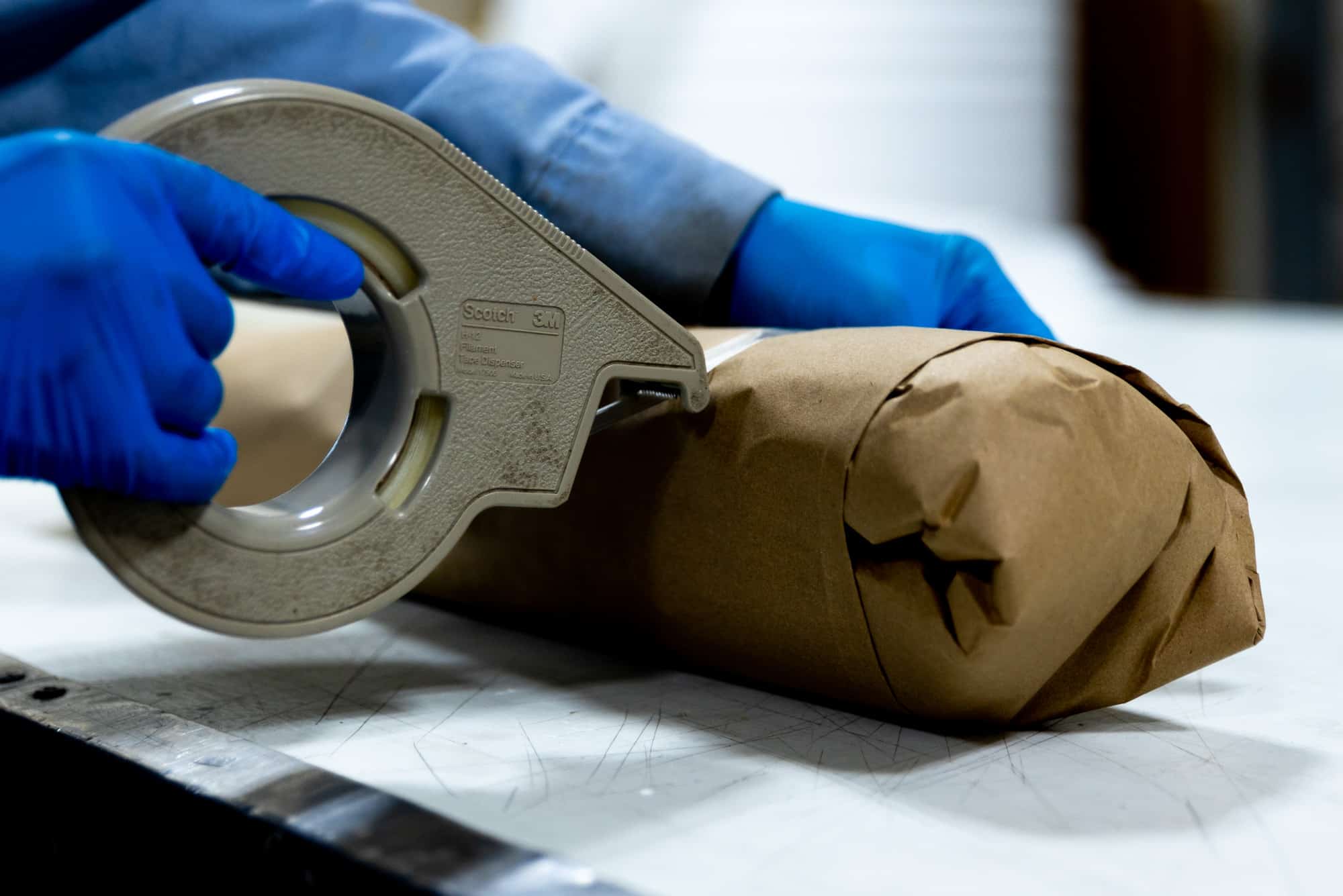
Fulfillment
Armoloy ensures the development of a robust plating process that can be distributed to one of our 16 plating facilities. We’ll handle prototyping, process validation, and much more.
Frequently Asked Questions
Electrolytic nickel uses electrical current and produces variable thickness based on geometry, while electroless nickel deposits chemically and provides uniform coverage across all surfaces. Electroless nickel typically offers better corrosion resistance and hardness, while electrolytic nickel is often selected for ductility, conductivity, and cost efficiency.
Electrolytic nickel is typically used for parts with simple geometries or external surfaces where localized thickness control, electrical conductivity, or ductility are more important than uniform coverage.
No. Because the process is driven by electrical current, plating thickness varies across the part, with higher buildup at edges, corners, and high-current areas.
Electrolytic nickel plating is applied by immersing a conductive component in a nickel salt solution and passing direct current through the system. The part acts as the cathode, while nickel anodes dissolve into the bath, supplying nickel ions that deposit onto the surface. Deposition rate and thickness are controlled by current density, time, and bath conditions.
Electrolytic nickel provides moderate corrosion resistance. Performance depends on coating thickness, porosity, and environmental exposure, and is generally lower than that of high-phosphorus electroless nickel.
Yes. Hydrogen embrittlement can occur during electrolytic nickel plating, particularly in high-strength steels, due to hydrogen absorption during electrochemical processing. Post-plate baking is commonly used to relieve absorbed hydrogen and reduce the risk of delayed cracking.
Yes, electrolytic nickel offers excellent electrical conductivity because it is a high-purity deposit. It is the industry standard for busbars, switchgear, and battery terminals where consistent low-resistance contact and corrosion protection are required.
Need a bright, durable finish? Ask about electrolytic nickel.
Request Information