
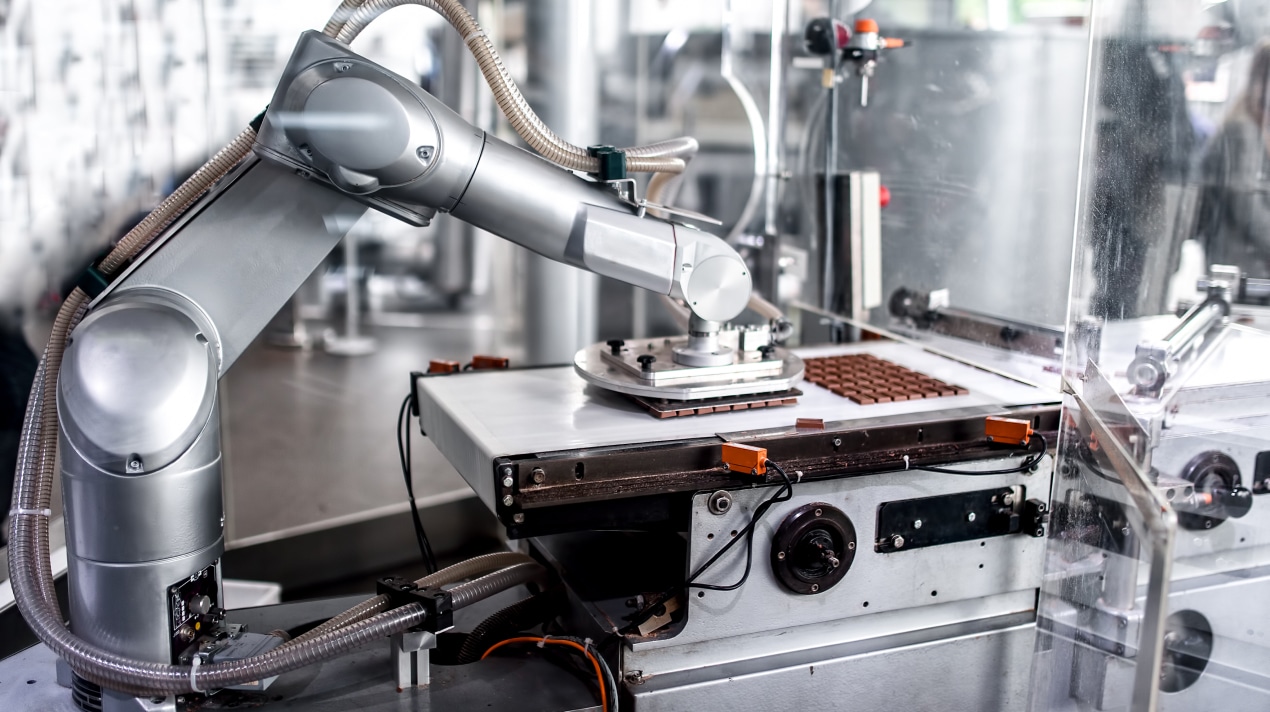





alcoat plating aluminum robotic belt

Armoloy Coatings

Plating On Aluminum (AL-COAT®)

Thin chromium coating engineered for aluminum alloys without affecting tolerances

AL-COAT® is processed exclusively at our Rhode Island process development & fulfillment center

Request Information

Plating Aluminum Components

What is AL-COAT Aluminum Plating?

AL-COAT® is a thin chromium coating engineered specifically for aluminum substrates to reduce friction, prevent galling, and improve wear and corrosion resistance without compromising part tolerances. Originally developed for medical instruments, the coating is compatible with sterilization methods such as steam autoclave and gamma radiation, and is also specified for demanding industrial environments where aluminum components experience sliding contact, chemical exposure, or high stress.
The coating forms a dense, uniform layer that bonds strongly to aluminum alloys, helping resist chipping, peeling, and chemical breakdown in service. Its high hardness and low coefficient of friction improve wear performance while reducing adhesive transfer between mating surfaces.

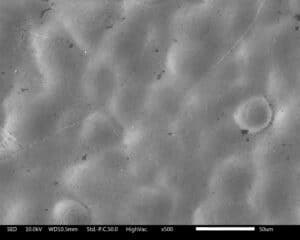
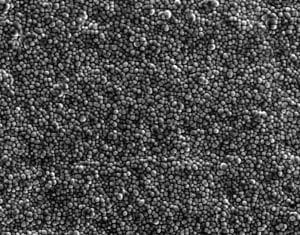
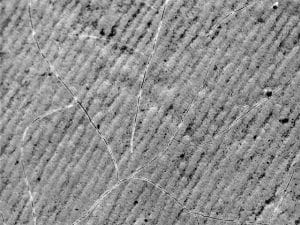
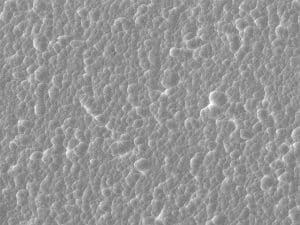
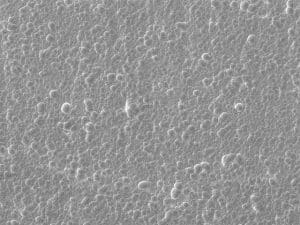
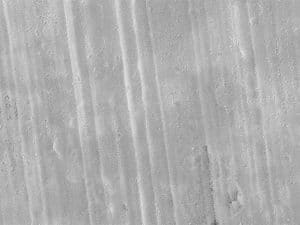
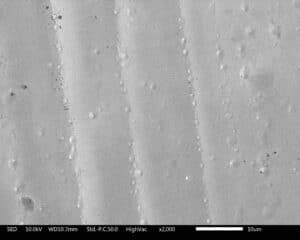
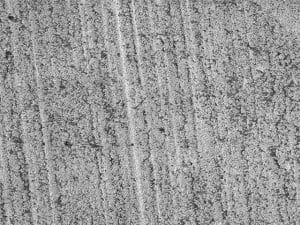
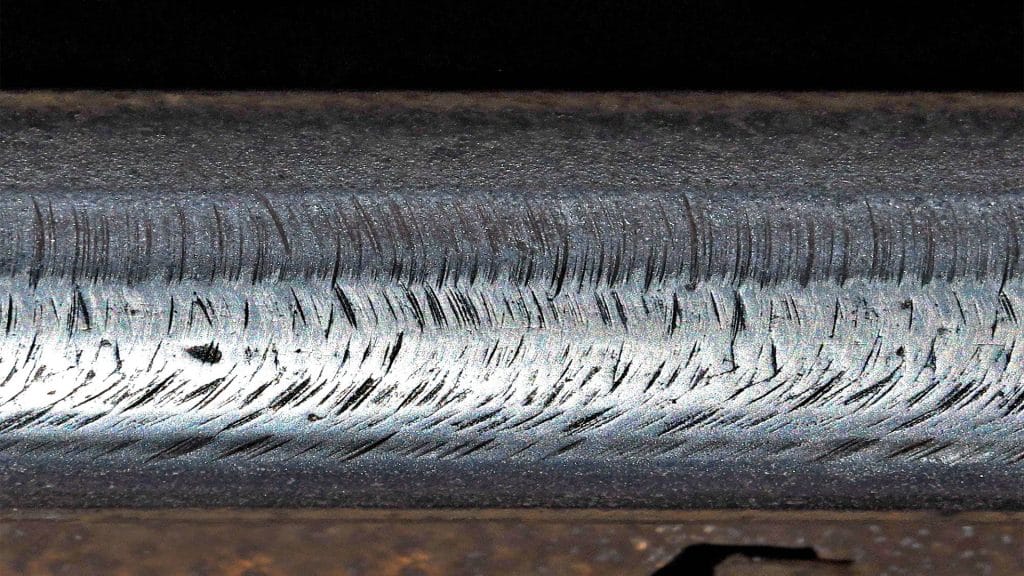
AL-COAT features a controlled microcracked surface texture that improves wear behavior and helps retain wet or dry lubricants on moving parts. Deposits can be applied at very thin thicknesses while maintaining uniform coverage across complex geometries and precision components.

AL-COAT is available in three finishes — Satin, Non-Reflective, and Platinum — and our engineering team can recommend the best option based on friction, wear mode, corrosion exposure, and aesthetic requirements.

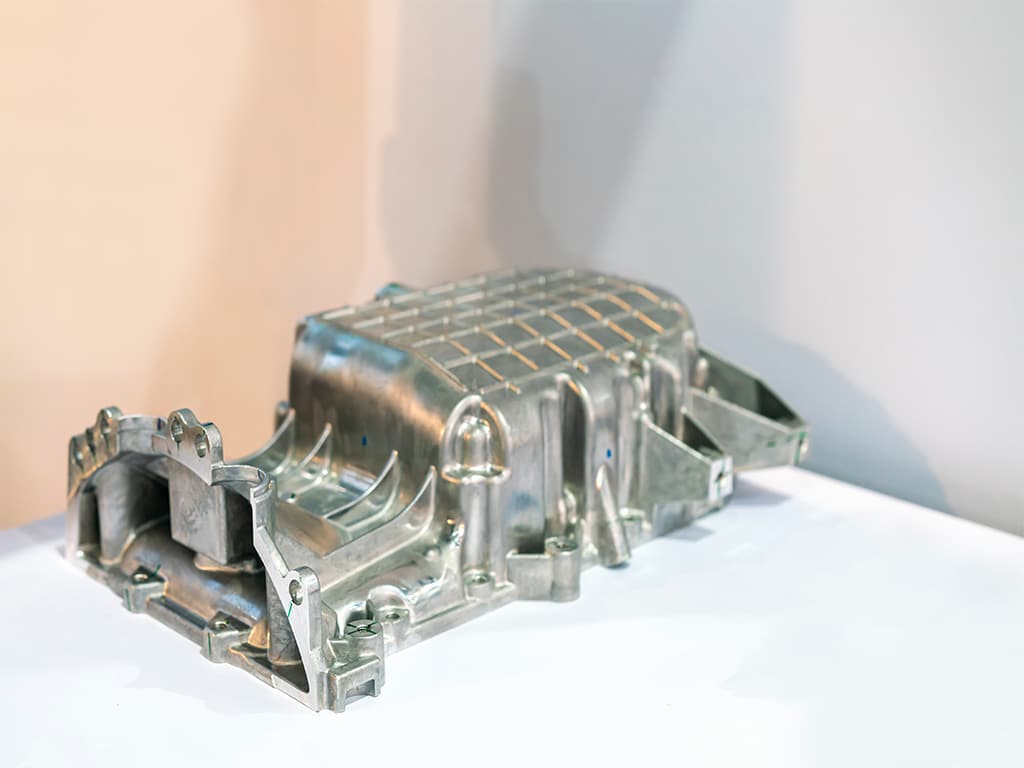
aluminum die casting automotive component

Performance Characteristics

AL-COAT® by the Numbers

  • Surface hardness up to 72Rc
  • .09 Coefficient of friction
  • Wear resistance less than 1.2 TWI*
  • Density of 7.19 g/cm ̄3 at 20°C
  • Thermal expansion range of 2.7 to 4.6 (10 ̄6/°F)
  • Deposited as low as .000050 to .001″ (1.27 to 25.4 µm)
  • Withstands temperatures above 1000°F (538°C)
  • Low processing temperature < 180°F (<82°C)

Not sure if AL-COAT is right for your aluminum application? Talk with an Engineer

Compare Armoloy Coatings

Thin Dense Chrome

Flagship
Nickel Hard Chrome Xylan Molybdenum Disulfide
Common Industries Precision Bearings, Medical Instruments and Devices, Robotics, Linear Motion Systems, Molds, Dies, and much more. Packaging, Blister-Pack Molding, Automotive, Electronics, and more. Shafts, Molds, Dies, Hydraulic and Pneumatic Rods, Industrial Rolls, and more. Fasteners and Threaded Components, Molds, Pumps, Pistons, Valves, Marine Equipment, and more. Microelectronics, Photovoltaics, Automotive, Sliding Applications, Vacuum Systems, and more.
Generally Used For
Corrosion Resistance
Wear Resistance
Improves Machine Performance
Corrosion Resistance
Wear Resistance
Wear Resistance
Corrosion Resistance
Release
Corrosion Resistance
Release
Lubricity
Advantages Thin Dense Chrome is a pure metallic zero valence chromium coating that prevents metal failures and improves machine performance. Nickel coatings are renowned for their corrosion and wear resistance. Hard chrome plating is selected for applications that require surface durability, dimensional restoration, and reliable performance under load and motion. Xylan is built for extreme environments where corrosion resistance, friction and wear reduction, and buildup prevention are paramount. Molybdenum Disulfide is known for its exceptional lubrication, high load-bearing capacity, and temperature resistance.
Disadvantages Thin Dense Chrome can be affected by prolonged exposure to saltwater and caustic environments. Nickel coatings struggle with rolling contact fatigue, highly abrasive operations and, depending on the type of nickel coating, are typically applied in thicker layers than Thin Dense Chrome coatings. Hard chrome coatings are typically very thick, often exceeding the requirements for precision applications. Moreover, they do not achieve a perfect bond with substrates and exhibit lower hardness compared to thin dense chrome. Xylan coatings are sacrificial coatings designed to wear down with use, which creates the need for reapplication. Molybdenum disulfide is also a sacrificial coating designed to wear down with use, and it struggles in humid conditions. While the coating performs extremely well in a vacuum, water vapor can often limit its applications.
Thickness
1.27 – 25.4 µm
0.00005″ – 0.001″
2.54 – 76.2 µm
0.0001″ – 0.003″
25.4 – 762 µm
0.001″ – 0.03″
12 – 38 µm
0.0005″ – 0.0015″
5.08 – 7.62 µm
0.0002″ – 0.0004″
background bubble helix decoration

Aluminum Protection (AL-COAT) Features & Benefits

Biocompatible

Certified safe for use in medical devices and instruments, as well as clean-room applications

Compatible base metals

Formulated and perfected specifically for application on aluminum substrates

Wear resistance

Excellent wear resistance over anodizing

Diverse appearances

Three finishes are available to suit your specific application: non-reflective, platinum, and satin

No sharp edge buildup

Minimized dimensional change. Does not require post-machining processes

Low processing temperature

Won’t distort base material and eliminates annealing

Excellent adhesion

Won’t chip, flake or peel from the base material

Effective at thin deposits

Won’t affect strict part tolerances and adheres well to complex geometries

Pure metallic non-toxic chromium coating

USDA approved and FDA compliant, non-toxic coating

Galling protection

Excellent resistance to adhesive wear and tolerant of low lube

Chemical resistance

Stable in alkalis, acids, gases, and solvents

Lubrication retention

Retains wet and dry lubricants on moving surfaces

Additional Metal Treatments

background bubble helix decoration

How Metals Fail

Some of the most common metal failures include:

Armoloy’s different metal coating solutions help industries avoid costly metal failures and unplanned downtime.

Frequently Asked Questions

Contact Us

Protecting aluminum parts? Let’s coat for strength and longevity.

Request Information