





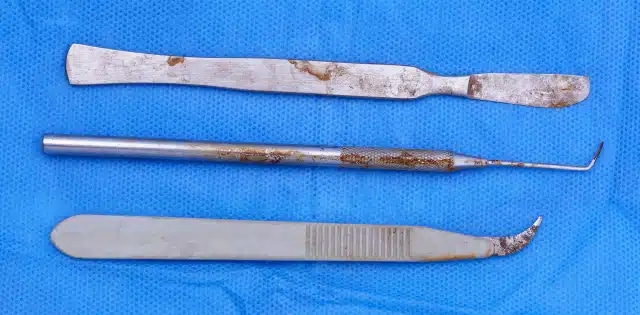

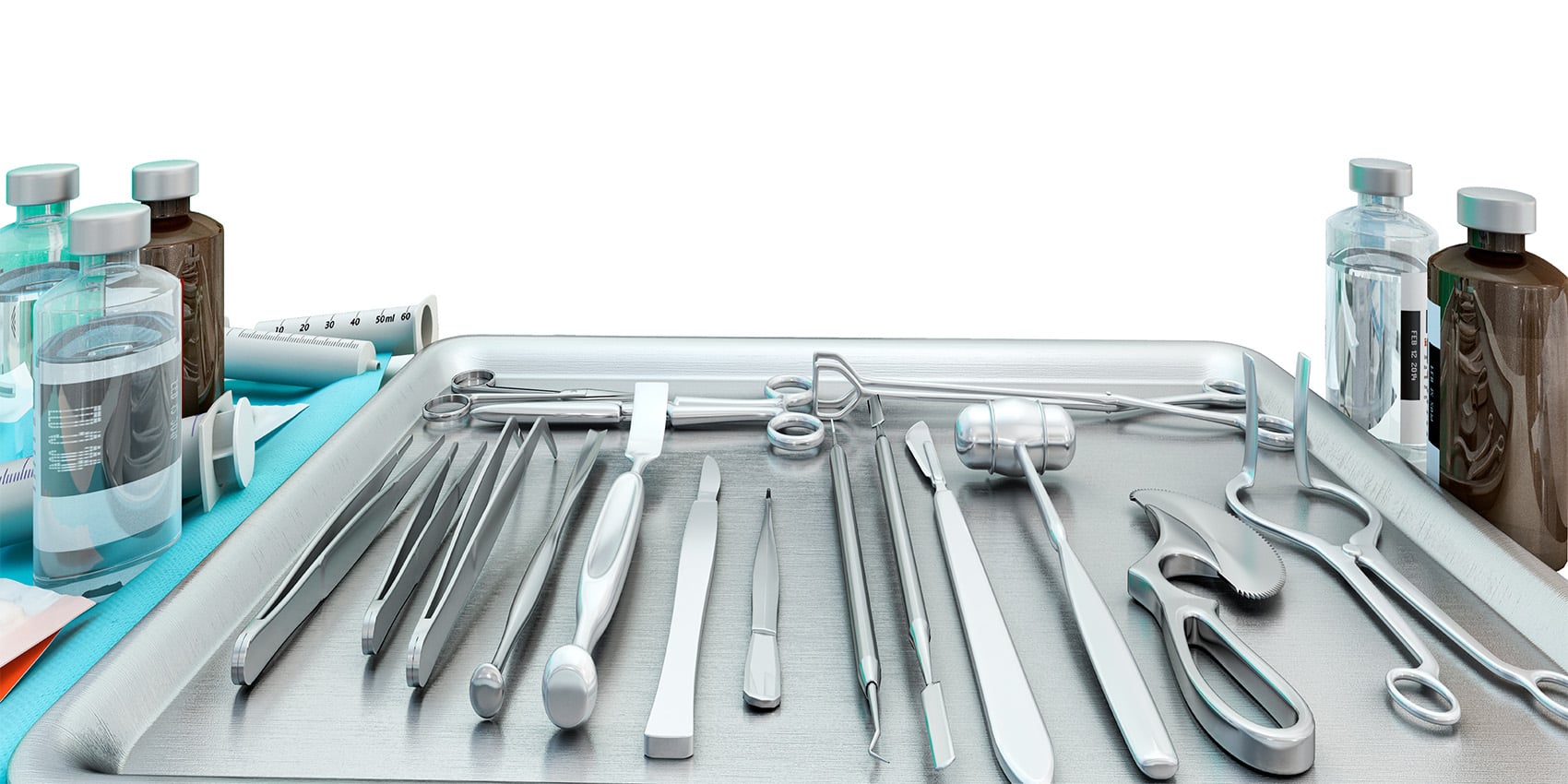
Biocompatible chromium coating is a precision-engineered chromium surface treatment designed for medical devices, surgical instruments, and other healthcare components that come into contact with patients or medical environments. “Biocompatible” means the coating has been evaluated to demonstrate compatibility with biological systems for its intended medical use. ME-92 is certified to ISO 10993-1 and provides wear resistance, corrosion protection, low friction, and dimensional stability while supporting repeated cleaning and sterilization.
Armoloy Coatings
Armoloy Coatings
ME-92® Biocompatible Chromium Coating
Biocompatible chrome plating for medical devices and surgical instruments
Medical Coating
What Is ME-92® Biocompatible Chromium Coating?
ME-92 is Armoloy’s biocompatible, microcracked chromium coating for medical devices, surgical instruments, and precision components. Introduced in 1992 and tested to ISO 10993-1, it improves wear resistance, corrosion protection, and lubricity while preserving critical dimensions.
Applied through a controlled, low-temperature electroplating process, ME-92 maintains the substrate’s mechanical properties and precision geometry, often avoiding post-plate machining. Its hard, low-friction surface withstands repeated use, cleaning, and sterilization while providing a barrier between patients and base-metal allergens such as nickel. ME-92 is available in satin, platinum, and non-reflective finishes.

Performance Characteristics
- Surface hardness up to 72Rc
- Deposit thickness ranging from 0.00004” to 0.001” (1.016 to 25.4 µm)
- Processing temperature < 160°F (<71°C)
- Bond strength of 125,000 PSI
- Corrosion resistance tested to AMS 2438 per ASTM B-117
- Certified biocompatible to ISO 10993-1
- Porosity tested per AMS 2460
- Withstands temperatures of -400°F to 1600°F (-240°C – 870°C)
- Thermal expansion of 2.7 – 4.6 (10¯⁶/°F)
- Up to 56% reduction in coefficient of friction
- Wear resistance less than 1.2 TWI per AMS 2438
Values shown are typical; final results depend on substrate, geometry, and finishing requirements.
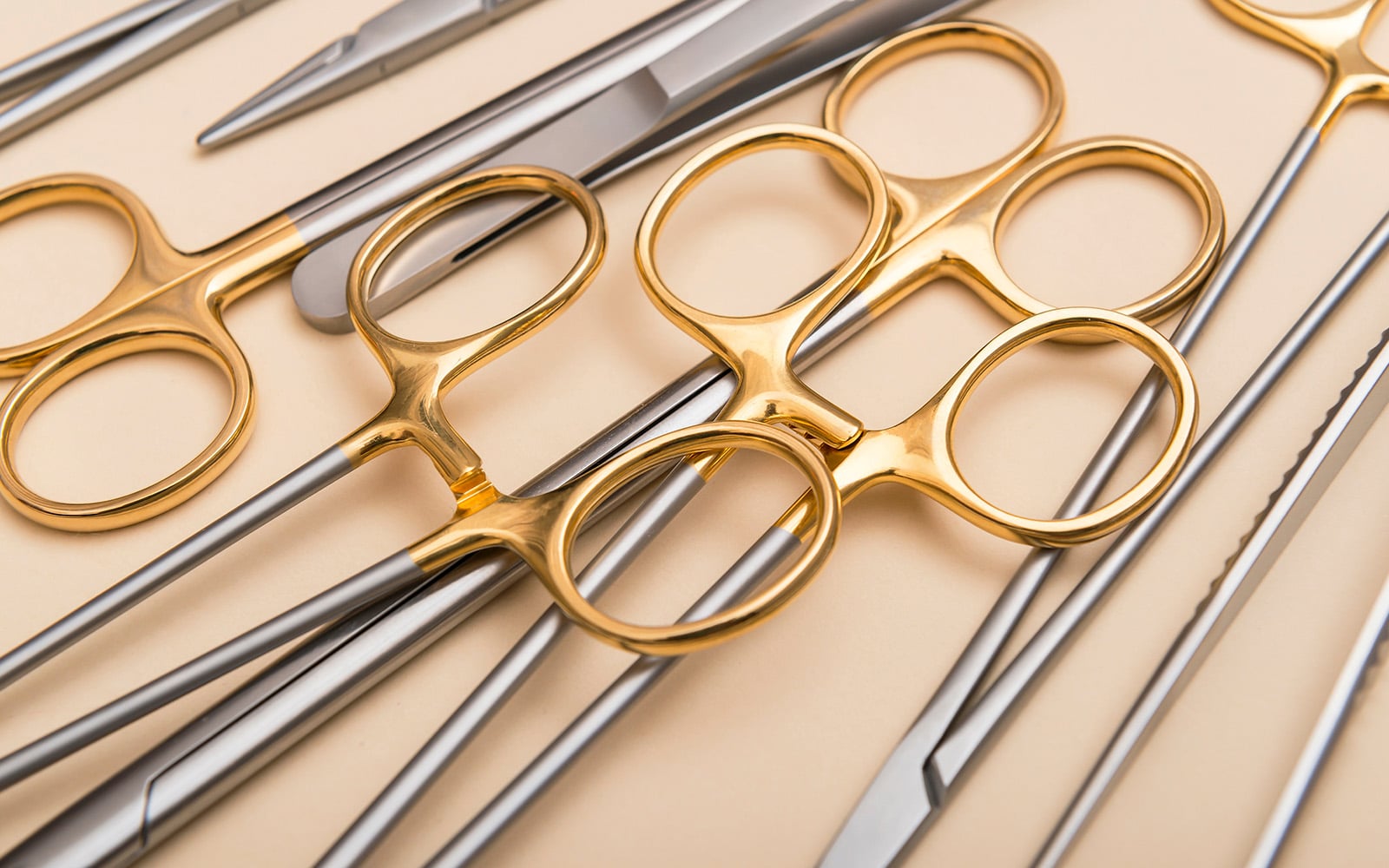
Engineered for Reusable Medical Instruments
Reusable medical instruments must withstand repeated movement, aggressive cleaning, chemical disinfection, and sterilization without compromising dimensional accuracy or surface performance.
ME-92 provides an ultra-thin chromium deposit with a surface hardness of up to 72 HRC. It preserves sharp cutting edges, close tolerances, and complex mating geometries, while precision masking allows the coating to be applied selectively to critical wear areas. Armoloy supports these applications through established
quality and compliance controls.
ME-92 can reduce the coefficient of friction by up to 56%, helping limit sliding resistance, adhesive wear, and galling in moving assemblies. Its bond strength of 125,000 psi supports coating integrity under repeated mechanical stress and sterilization cycles.
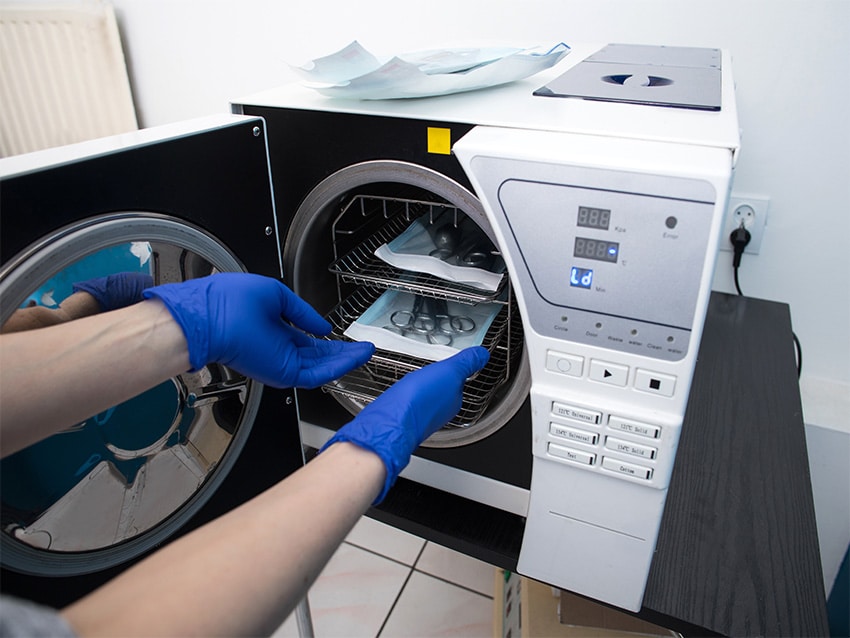
Designed for reusable medical applications, ME-92 is compatible with steam autoclaves, STERRAD®, STERIS SYSTEM 1®, EtO, and bleach exposure. Its corrosion-resistant, hydrophobic surface supports cleanability and repeated processing in
clinical, laboratory, cleanroom, and pharmaceutical environments.
Compare Armoloy Coatings
| Thin Dense Chrome
Flagship
|
Nickel | Hard Chrome | Xylan | Molybdenum Disulfide | |
|---|---|---|---|---|---|
| Common Industries | Precision Bearings, Medical Instruments and Devices, Robotics, Linear Motion Systems, Molds, Dies, and much more. | Packaging, Blister-Pack Molding, Automotive, Electronics, and more. | Shafts, Molds, Dies, Hydraulic and Pneumatic Rods, Industrial Rolls, and more. | Fasteners and Threaded Components, Molds, Pumps, Pistons, Valves, Marine Equipment, and more. | Microelectronics, Photovoltaics, Automotive, Sliding Applications, Vacuum Systems, and more. |
| Generally Used For |
Corrosion Resistance
Wear Resistance
Improves Machine Performance
|
Corrosion Resistance
Wear Resistance
|
Wear Resistance
Corrosion Resistance
|
Release
Corrosion Resistance
|
Release
Lubricity
|
| Advantages | Thin Dense Chrome is a pure metallic zero valence chromium coating that prevents metal failures and improves machine performance. | Nickel coatings are renowned for their corrosion and wear resistance. | Hard chrome plating is selected for applications that require surface durability, dimensional restoration, and reliable performance under load and motion. | Xylan is built for extreme environments where corrosion resistance, friction and wear reduction, and buildup prevention are paramount. | Molybdenum Disulfide is known for its exceptional lubrication, high load-bearing capacity, and temperature resistance. |
| Thickness |
1.27 – 25.4 µm
0.00005″ – 0.001″
|
2.54 – 76.2 µm
0.0001″ – 0.003″
|
25.4 – 762 µm
0.001″ – 0.03″
|
12 – 38 µm
0.0005″ – 0.0015″
|
5.08 – 7.62 µm
0.0002″ – 0.0004″
|
- SAE AMS2438 Plating, Chromium Thin, Hard, Dense Deposit
- Aerospace Material Specification SAE AMS2406
- Aerospace Material Specification SAE AMS2460 | AMS-QQ-C-320, Chromium Plating (Electrodeposited)
- USP Class VI
- Tripartite/ISO
- Anti-microbial
- Sterilization Procedures Including:
- Steam Autoclave
- STERIS SYSTEM 1
- STERRAD Sterilization
- Gamma X Ray
- Bleach Exposure
- Boiling
- Detergent scrubbing
- STERIS EtO
- Cytotoxicity tested
- Hemolysis tested
- Intracutaneous tested
- Pyrogen tested
- Systemic Toxicity tested
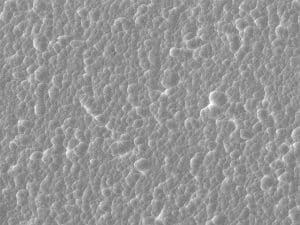
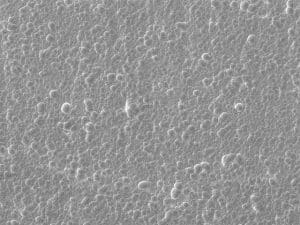
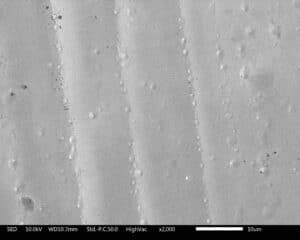
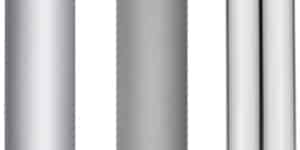
ME-92® Finish Comparison
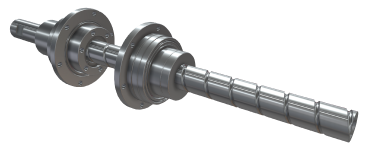
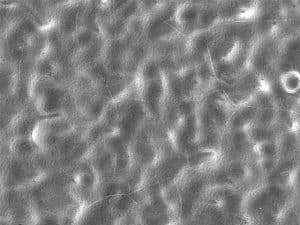
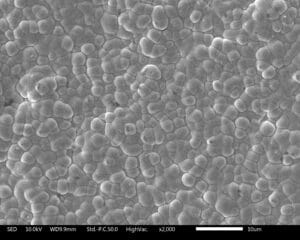
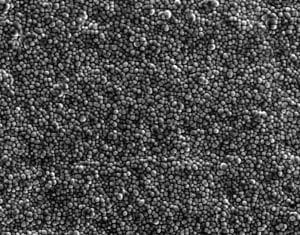
ME-92® Medical Coating is available in three finishes – satin, non-reflective, and platinum

ME-92 Features & Benefits
Biocompatible
Evaluated for biocompatibility for use in medical devices and instruments, as well as clean-room applications
Absolute adhesion to base material
Maintains cutting edges and provides a hard, scratch resistant, nonstick, easy to clean surface
Hydrophobic
Arrests moisture and water buildup, further enhancing corrosion resistance
Chemical resistant
Compatible with caustic sterilization procedures
Anti-microbial surface
Designed for cleanability; helps reduce buildup of harmful bacteria
Diverse appearances
Three finishes are available to suit your specific application: non-reflective, platinum, and satin
Completely inert
Will not cause or promote change in structure, maintaining component integrity
No sharp edge buildup
Minimizes dimensional change
Improved fatigue life
Hard surface of chromium reduces surface roughness, increasing fatigue life in certain components
Temperature resistant
Chrome coatings perform well at high temperatures, maintaining their protective properties
Low friction
Significantly increases life of rolling and sliding applications
Barrier against base metal allergens
Eliminates patient sensitivity to base metals such as nickel
Additional Metal Treatments

Why Partner with Armoloy?
Armoloy supports your project from concept to production with surface engineering expertise built around real-world performance needs. Whether you are designing a new component or solving a failure in the field, our team can help identify the right coating solution, validate its performance, and support a successful production launch.
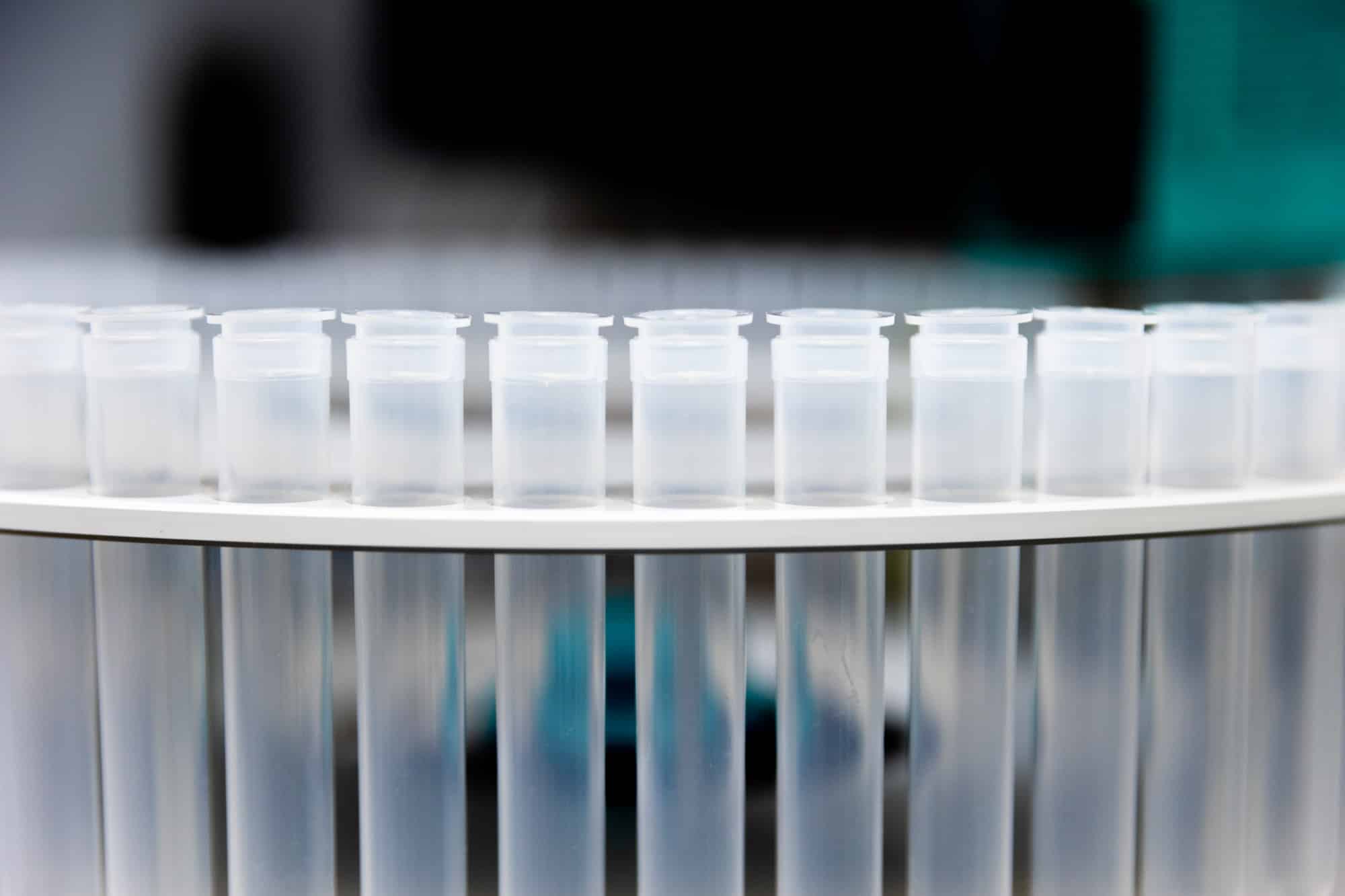
Research & Development
Fully equipped R&D plating lab for test runs, prototyping, and continual development of our plating technologies. Our turnkey approach ensures high-quality outcomes for your project.
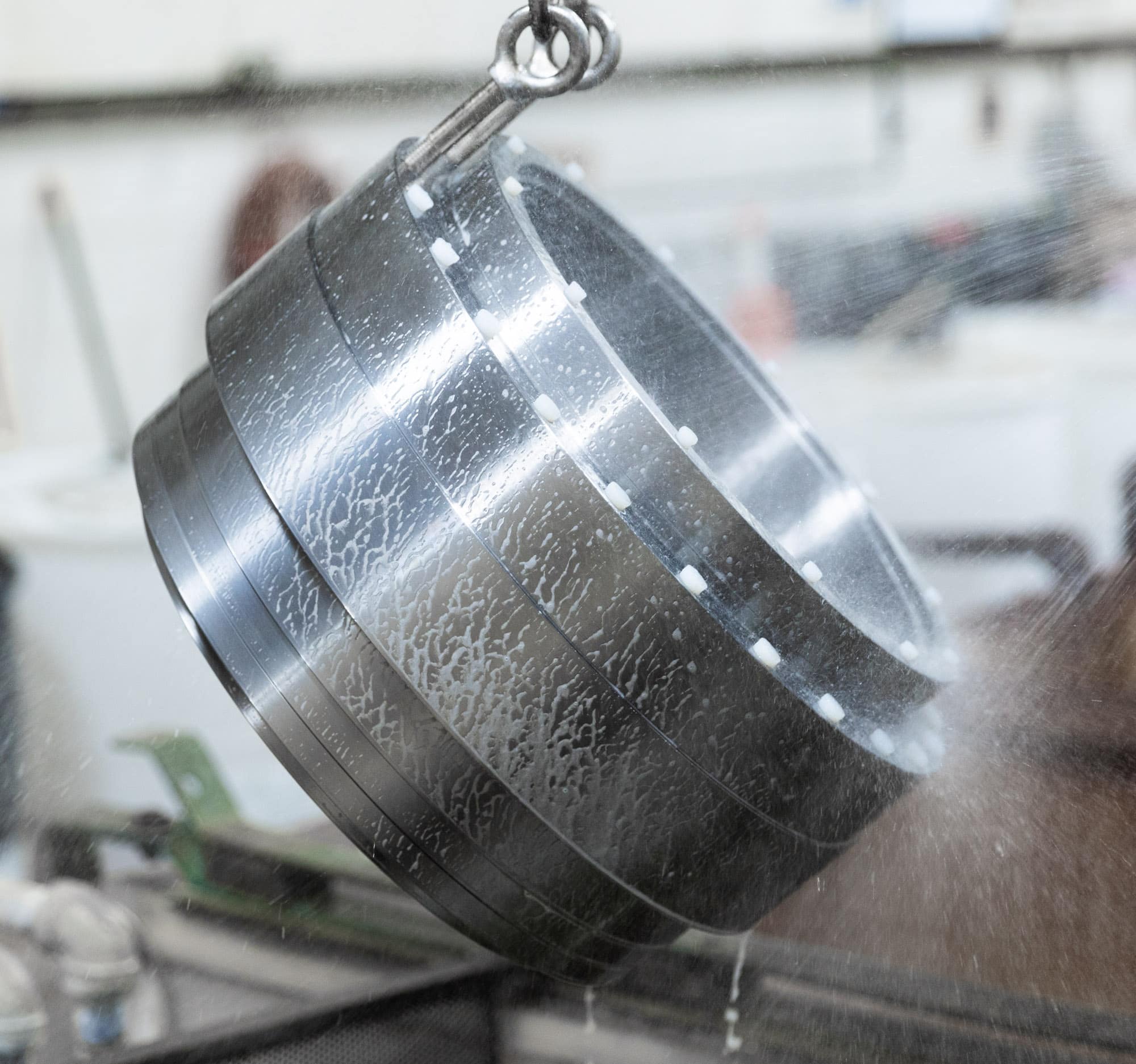
Process Development & Validation
Support from design to product launch with coating selection, prototyping, testing, PPAP validation, and plating production on any scale. We also support a range of ASTM and AMS test methods with a Nadcap-certified laboratory.
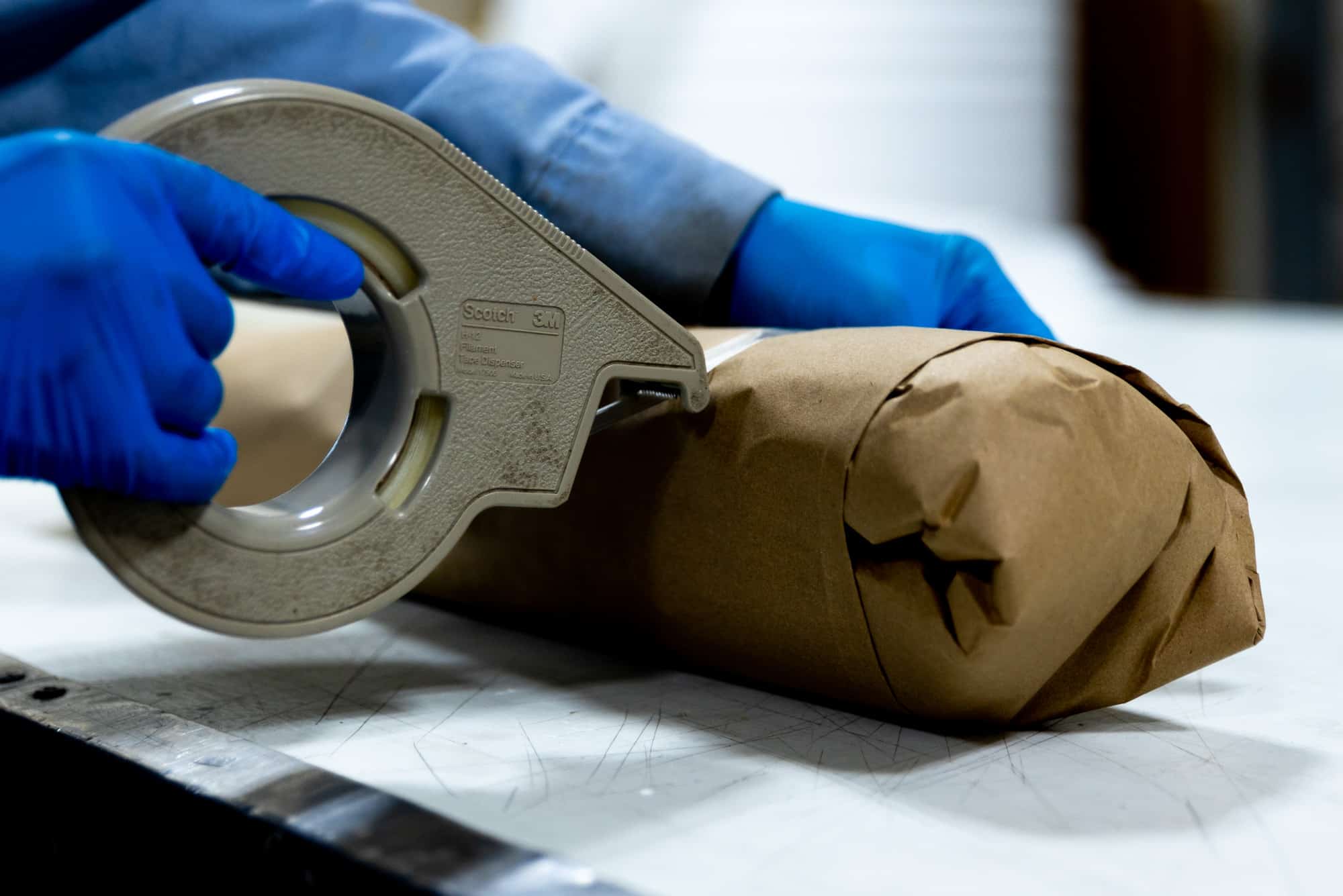
Fulfillment
Armoloy ensures the development of a robust plating process that can be distributed to one of our 15 plating facilities. We’ll handle prototyping, process validation, and much more.
Explore Further
Learn More About Medical Coatings:
Frequently Asked Questions
Reusable medical instruments must maintain precise dimensions and reliable surface performance through repeated use, cleaning, and sterilization. ME-92 combines an ultra-thin chromium deposit with high hardness, low friction, and strong adhesion to help preserve cutting edges, articulating surfaces, and close tolerances while resisting wear, corrosion, and galling throughout the instrument’s service life.
ME-92 is Armoloy’s medical-grade version of its proprietary Electrolizing® Thin Dense Chrome coating. Like Electrolizing, it features a proprietary microcracked chromium surface that improves lubricity, corrosion resistance, and wear performance while maintaining precise dimensions. Unlike general industrial chromium coatings, ME-92 is certified to ISO 10993-1 and validated for reusable medical devices, surgical instruments, and other healthcare applications requiring biocompatibility and sterilization compatibility.
Armoloy also offers BIO TDC®, a medical-grade, micronodular thin dense chrome coating optimized for applications where edge retention and cutting performance are primary requirements. For aluminum medical components, AL-COAT® provides a biocompatible thin dense chrome coating engineered specifically for aluminum substrates. Not sure which biocompatible coating is right for your application? Contact our engineering team for guidance.
Medical chromium coatings may be evaluated against standards such as ISO 10993-1, USP Class VI, and applicable SAE AMS specifications. Depending on the application, manufacturers may also perform cytotoxicity, hemolysis, systemic toxicity, adhesion, corrosion, wear, and sterilization compatibility testing to validate coating performance.
Biocompatible chromium coatings help reduce friction, resist galling, improve wear resistance, and protect against corrosion caused by repeated cleaning and sterilization. Thin, uniform deposits also help preserve sharp cutting edges, close tolerances, and articulating surfaces without significantly altering component dimensions.
It depends on the device design, substrate material, regulatory requirements, and intended clinical use. Medical manufacturers evaluate coating performance, biocompatibility, and applicable regulatory requirements for each application before specifying a chromium coating for implantable devices.
When evaluating medical coating providers, manufacturers typically consider biocompatibility testing, dimensional control, process consistency, inspection capabilities, sterilization compatibility, quality documentation, and experience supporting medical device production. A qualified supplier should provide repeatable coating performance, engineering support, documented process controls, and quality systems appropriate for regulated medical manufacturing. For applications requiring biocompatibility, sterilization resistance, and precision dimensional control, contact Armoloy’s engineering team to help evaluate whether ME-92 is the right solution.
Need biocompatible protection? Discuss your project specs with an Armoloy engineer today
Request Information