
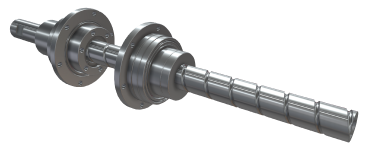
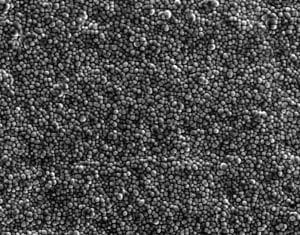
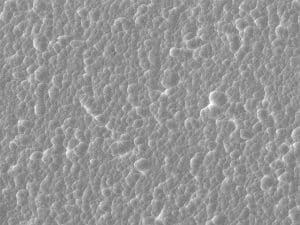
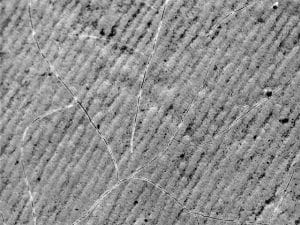

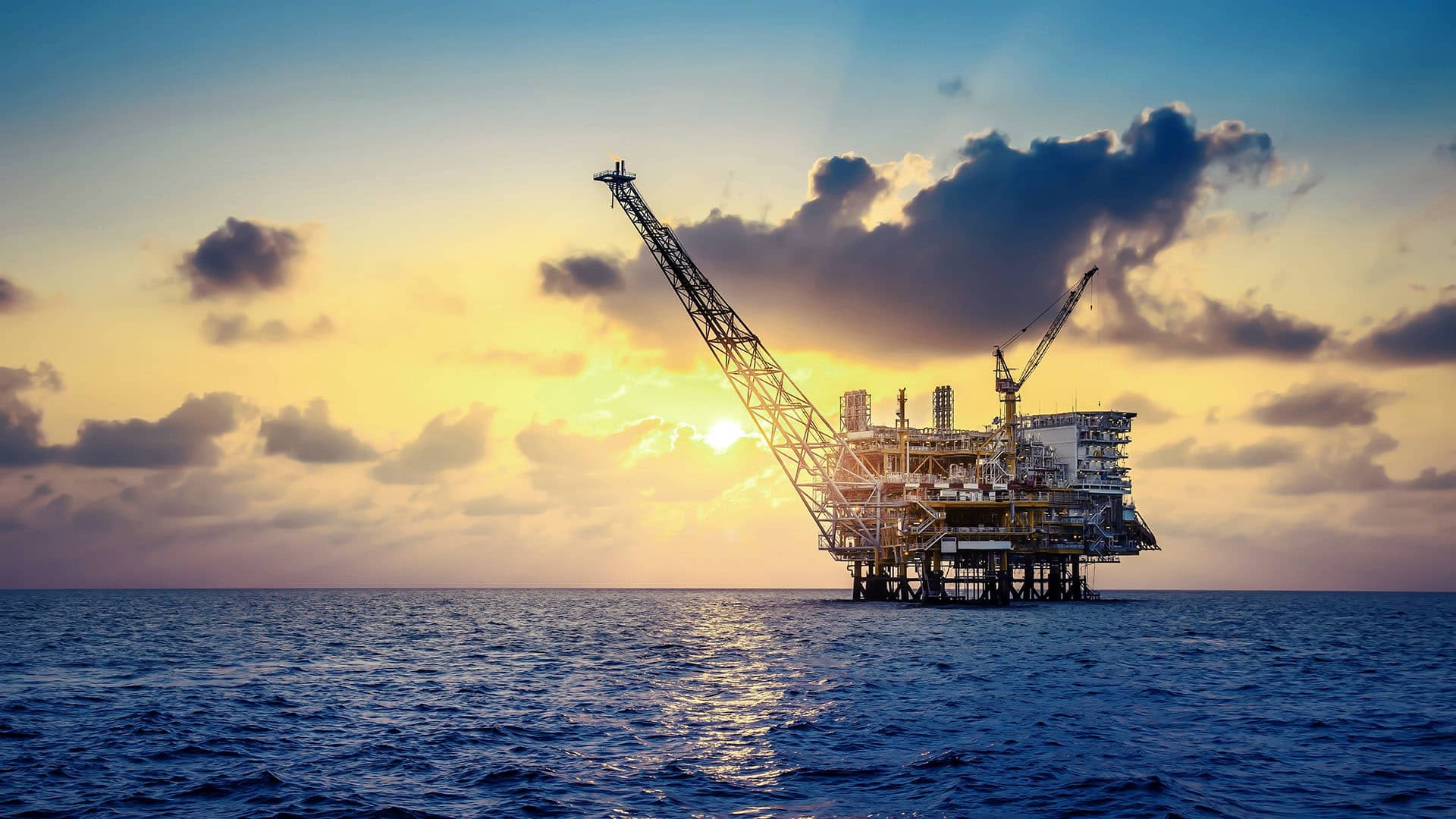
Armoloy coatings offer impressive resistance to hydrogen sulfide (H₂S), chlorides, brines, and other corrosive fluids encountered in upstream and midstream operations. They mitigate pitting, crevice corrosion, and stress corrosion cracking — making them ideal for components exposed to sour service, offshore conditions, or high-pressure fluid transport.
industry solutions
industry solutions
Oil and Gas Coatings
Corrosion and wear protection for downhole and oilfield equipment
OILFIELD PROTECTION SINCE 1957
Engineered Coatings for Downhole and Surface Equipment
Downhole environments and upstream drilling operations expose components to constant mechanical stress, high-pressure fluids, corrosive chemistry, and abrasive debris. Saltwater, hydrogen sulfide, and particle-laden flow can quickly degrade untreated metal through corrosion, erosion, and adhesive wear.
Armoloy oil and gas coatings are engineered to slow these failure mechanisms by improving how the base metal performs at the surface — without significantly altering part dimensions or tolerances. The result is a hard, low-friction finish that helps resist pitting, chemical attack, and metal-on-metal damage.
We work with reliability engineers, maintenance teams, and drilling operators to apply proven treatments that hold up under high-pressure, high-temperature (HPHT) conditions: Armoloy® Thin Dense Chrome (TDC), XADC® Diamond Chrome Plating, and Bi-Protec®.
Applied to downhole tools, valves, or extraction pump components, Armoloy coatings stabilize performance under load and extend service intervals. The result is more predictable operation, better flow efficiency, and measurable protection against unplanned downtime across upstream and midstream operations.
Oil and Gas Coatings & Surface Treatments
Optimizing Oilfield Flow and Component Life
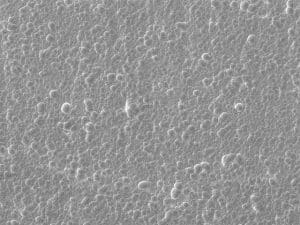
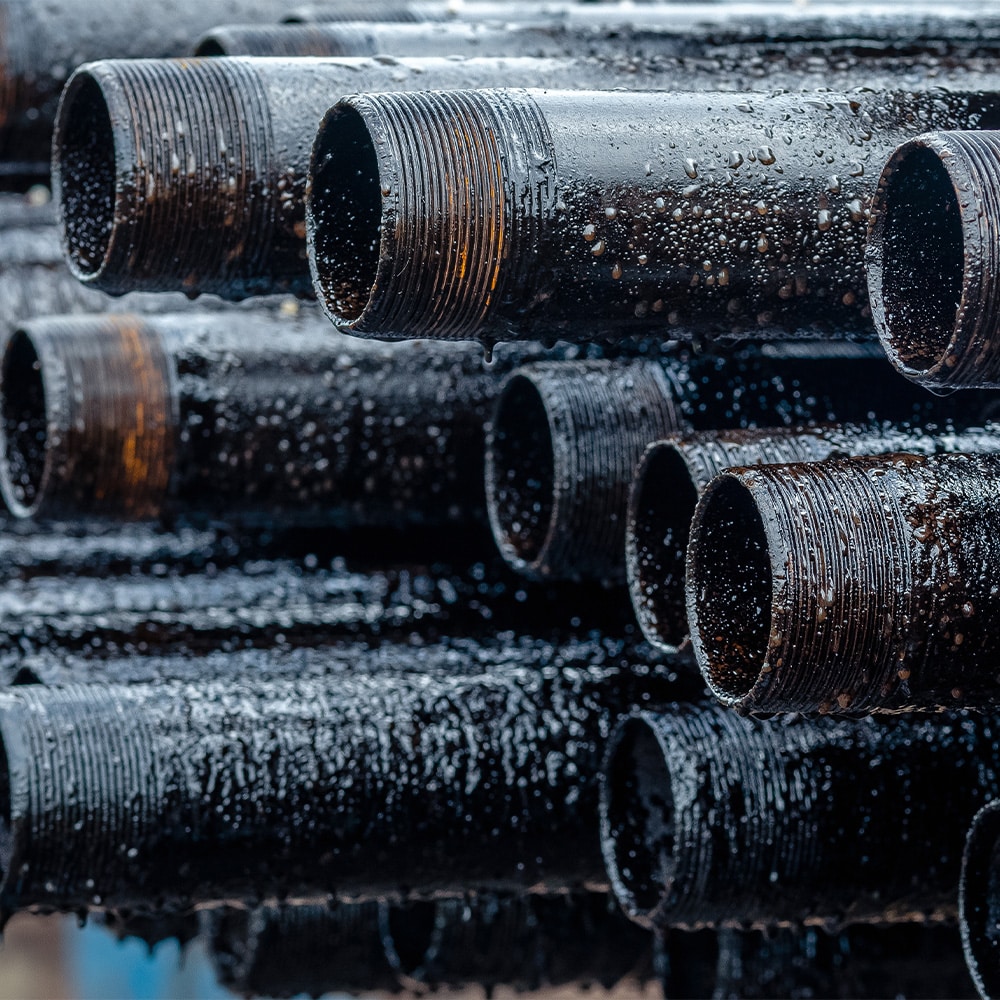
In oilfield equipment, surface performance directly affects flow efficiency, wear life, and long-term reliability. Armoloy coatings improve these conditions by applying a low-friction, micronodular finish directly to fluid-handling and mechanical contact interfaces. Applied at a controlled thickness of 0.0001″ to 0.0003″ (2.5 to 7.5 microns) per side, the coatings reduce friction and can improve flow performance in pumps, high-cycle valves, and downhole tools.
Beyond initial performance gains, Armoloy coatings also help extend the usable life of expensive components. They can be chemically stripped and reapplied without altering the dimensional integrity or metallurgical properties of the base metal, allowing parts to be replated and returned to service multiple times.
For worn components with minor material loss, the recoating process can help restore original operating specifications while re-establishing corrosion and wear protection. This reduces replacement frequency, shortens maintenance lead times, and supports more predictable equipment performance across demanding upstream and midstream environments.
Oil and Gas Coating Applications
Armoloy oil and gas coatings support a wide range of oilfield infrastructure and component-level applications, including:
Upstream Drilling & Downhole Tools
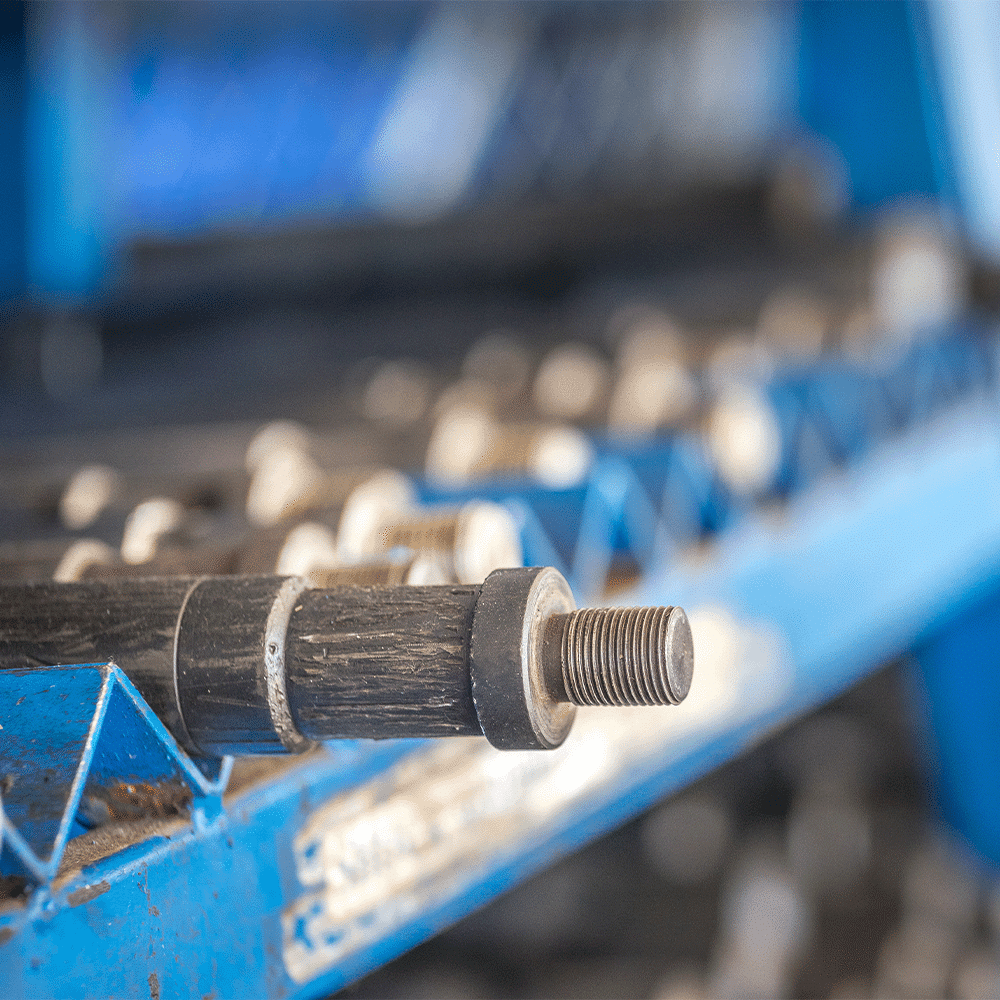
- Mud Motor Rotors: Protects rotor lobes against severe particle erosion and abrasive drilling muds.
- Downhole Mandrels & Housings: Helps prevent adhesive wear on high-load sliding interfaces.
- Universal & Slip Joints: Helps control friction and wear under heavy torsional loads.
- Drill String Fasteners & Threads: Helps reduce thread galling during high-torque make-up and break-out cycles.
Artificial Lift & Fluid Extraction
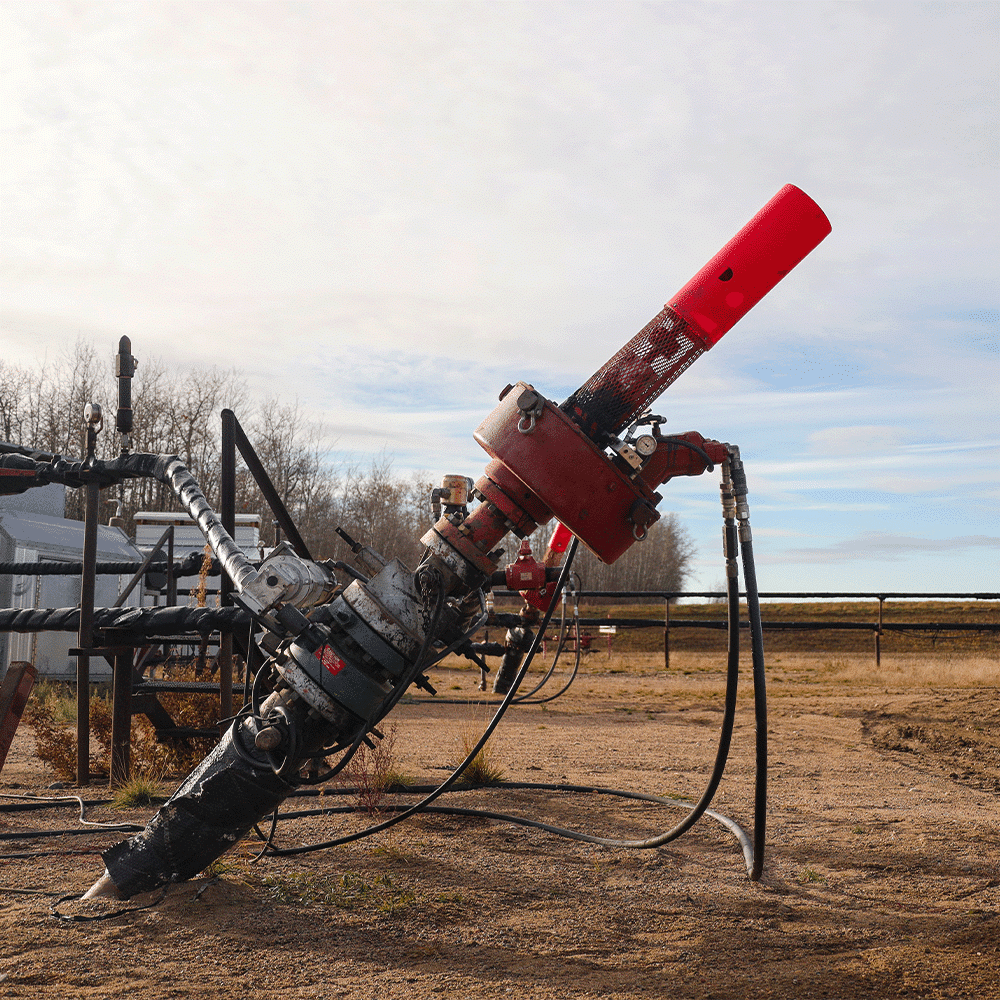
- Progressing Cavity Pumps (PCP): Protects internal rotors from abrasive sand slurries and corrosive formation fluids.
- Electrical Submersible Pumps (ESP): Coats impellers, diffusers, and shaft sleeves to sustain hydraulic flow efficiency and limit erosive wear.
- Sucker Rod Pump Assemblies: Applied to pump plungers, rods, and barrel liners to slowprevent metal-on-metal scoring and uniform corrosion.
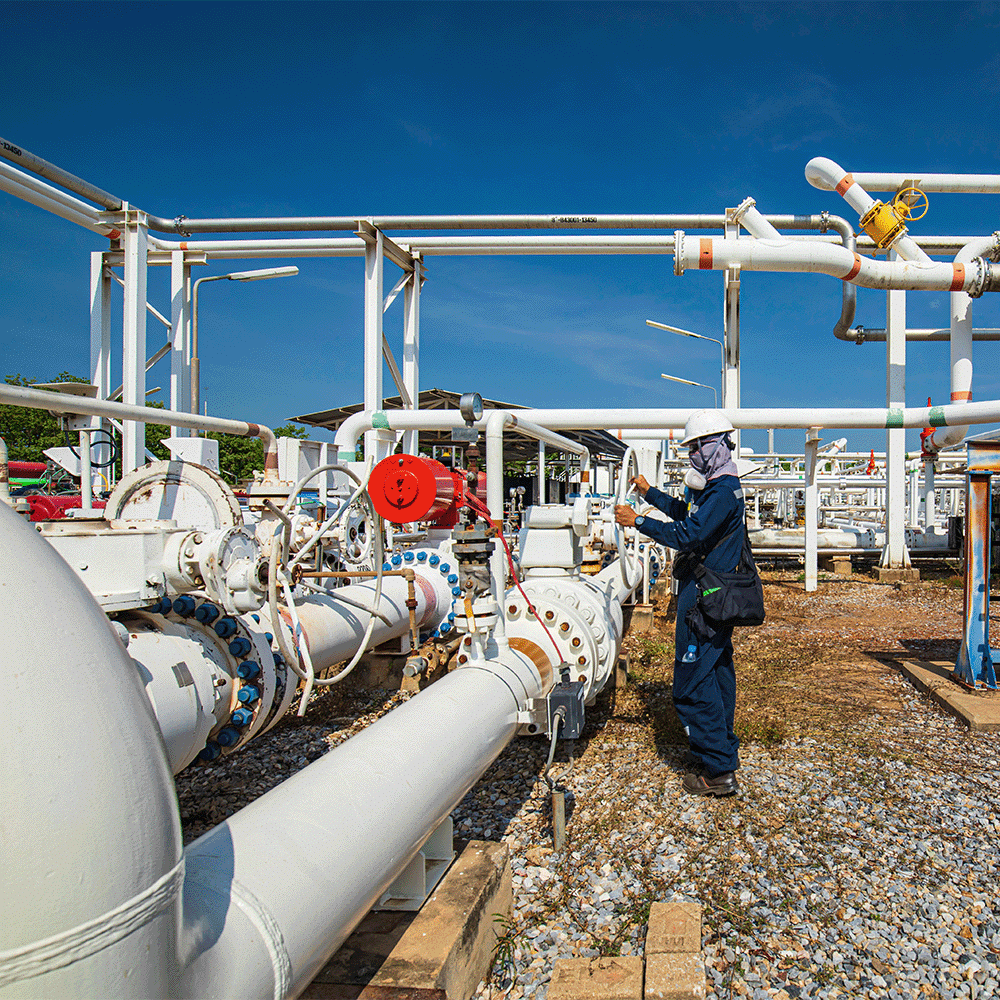
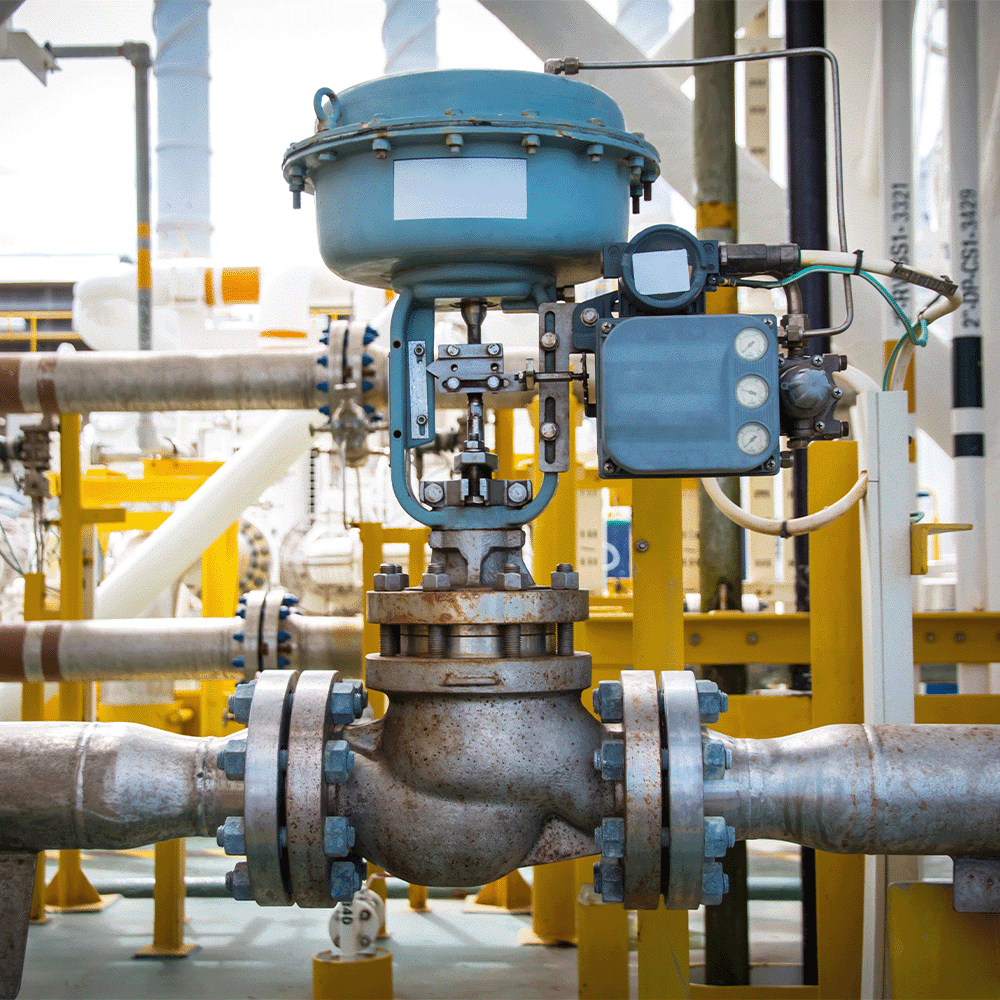
Flow Control & Industrial Valves
- Gate & Ball Valve Assemblies: Protects valve gates, seats, stems, and ball faces from high-velocity fluid erosion and chemical pitting.
- Choke & Control Valves: Preserves the dimensional profiles of internal plugs, cages, and stems subjected to severe pressure drops.
- Actuator Components: Reduces friction on pistons, cylinders, and rods to help maintainguarantee predictable, high-cycle valve actuation.
Midstream Transport & Compression Systems
- Centrifugal & Reciprocating Pumps: Protects pump shafts, sleeves, wear rings, and internal packing areas from premature wear.
- Reciprocating Compressor Components: Applied to crossheads, piston rods, cylinders, and valve plates to maintain continuous-duty sealing.
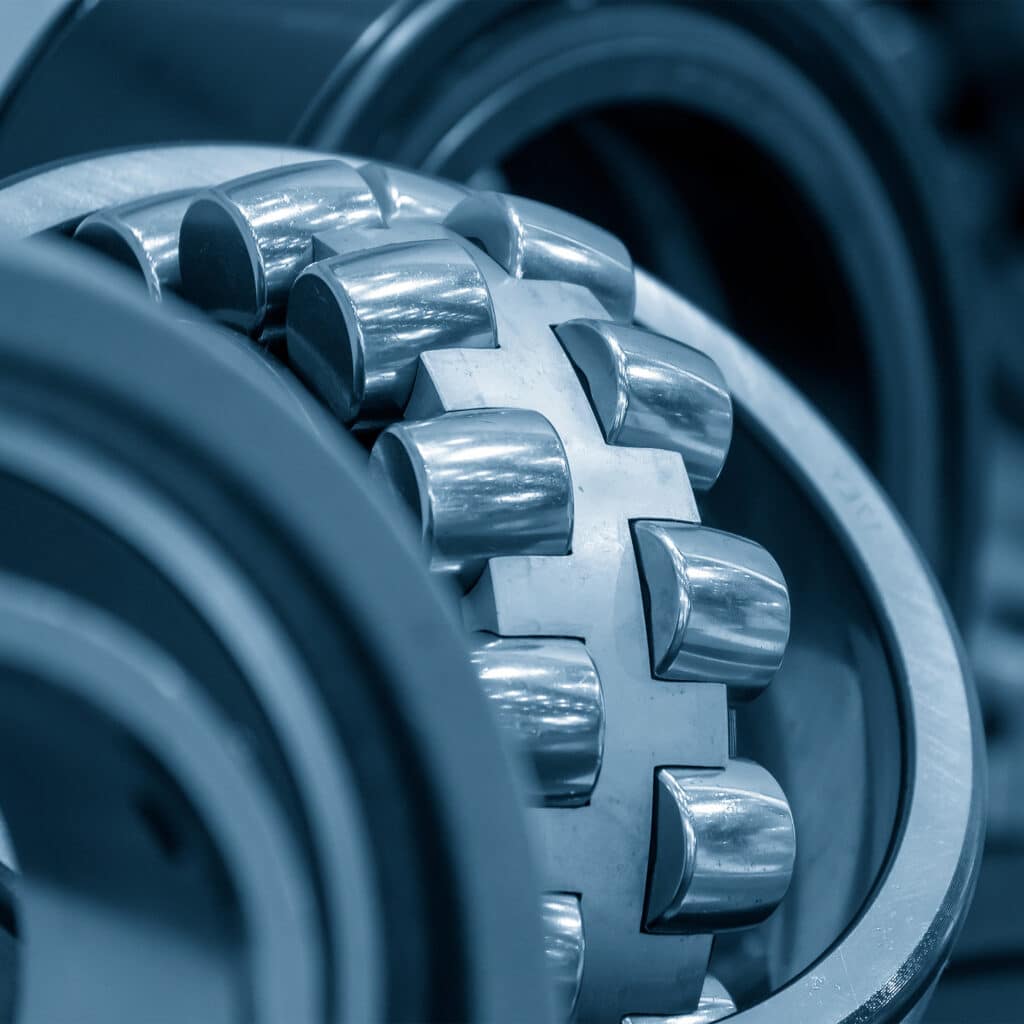
- Gears, Bearings, & Drive Components: Helps reduce scuffing and pitting on rotating components to support efficient power transmission.
How Metals Fail
Some common Metal Failures and Solutions that affect oil & gas machinery include:
Benefits of Oil and Gas Coatings from Armoloy
Abrasion & wear resistance
Mitigate surface wear caused by abrasive drilling slurries, particle-laden flow, sliding friction, and cavitation
Corrosion protection
Helps isolate substrates from corrosive process media encountered in demanding oilfield environments
Friction & flow optimization
Apply a low-friction micronodular finish to fluid paths, reducing system drag and improving flow up to 10%
Galling & seizure mitigation
Help mitigate metal-on-metal adhesive wear and cold welding on valves, actuators, and threaded connections
Offshore & saltwater protection
Protect offshore assets against chloride exposure, saltwater immersion, and corrosive marine fouling
Dimension control
Apply thin, uniform deposits to preserve critical dimensions and tight component tolerances
Sustainable asset refurbishment
Strip and reapply coatings to worn parts to help restore original equipment specs without substrate metal loss
High-temperature stability
Maintain surface hardness and structural integrity in extreme downhole environments exceeding 1,000°F
Why Choose Armoloy?
Start-to-Finish Surface Solutions
From early-stage consultation to final inspection, we manage every step in-house, backed by a full metallurgical lab and decades of coating expertise.
Proven Process Development
Our innovation center builds repeatable, validated processes you can count on. Wherever your coating is fulfilled, it’s done to the same precise spec.
Global Fulfillment, Local Support
With coating centers and logistics support across the globe, we deliver fast, consistent quality wherever your operations are.
Tested. Trusted. Certified.
Armoloy coatings meet rigorous regulatory and industry standards, from RoHS and REACH to ISO and Nadcap. See our full list of Accreditations and Specifications.
Process Accreditations at Armoloy
Armoloy oil and gas coatings comply with ASTM B117, ASTM D4060-10, and ASTM F519 and meet rigorous industry standards for corrosion resistance and durability. Our specialized processing tanks adhere to stringent ASTM specifications, ensuring our coatings provide excellent protection for all ferrous and non-ferrous base materials used in oil and gas applications.
- AS9100D
- ISO 9001:2015
- ISO 14001:2015
- RoHS Compliance
- Nadcap
- WEEE Compliance
- REACH Compliance
Coating Specifications at Armoloy
Armoloy oil and gas coatings comply with ASTM B117, ASTM D4060-10, ASTM F519, and MIL-C-26074 and meet rigorous industry standards for corrosion resistance and durability. Our specialized processing tanks adhere to stringent ASTM specifications, ensuring our coatings provide optimal protection for all ferrous and non-ferrous base materials used in oil and gas applications.
Frequently Asked Questions
Armoloy coatings are ideal for downhole tools, valves, pump rods, actuator components, wear rings, and sealing surfaces that experience high loads, friction, and chemical exposure. Whether you’re operating in drilling, extraction, or refining environments, our coatings improve durability, reduce metal-on-metal contact, and extend part life under extreme pressure and temperature.
Armoloy coatings maintain physical stability and surface hardness in high-pressure, high-temperature (HPHT) downhole environments up to 1,200°F (648°C). Unlike traditional polymers or organic industrial paints, the coating will not degrade, soften, or lose its low-friction characteristics under extreme thermal loads.
No, provided the application process is strictly controlled. To eliminate the risk of hydrogen embrittlement in high-strength steels and severe-service components, Armoloy’s plating protocols incorporate an immediate, mandatory post-plating thermal bake-out cycle. This processing is executed in strict compliance with ASTM F519 parameters, driving out any absorbed hydrogen before it can compromise the mechanical properties or structural integrity of the substrate alloy.
Yes. Armoloy coatings are engineered for precise, ultra-thin deposition, typically applied within a strict range of 0.0001 to 0.0003 inches (2.5 to 7.5 microns) per side. Because the application is uniform and highly repeatable across complex geometries, it adheres to critical design tolerances without requiring secondary grinding or machining, preserving the exact dimensional fit of valves, pumps, and downhole tool interfaces.
Challenging conditions? Let’s protect your equipment.
Request Information