
Coatings, Materials, and Their Processes: An Overview of Substrate Compatibility
Can my material be coated? To answer the question in the title, it depends on a variety of factors, including the material, substrate compatibility, the geometry of the part, surface condition, tolerance requirements, operating environment, and specific performance goals, to name a few constraints. If you’d like to find out whether your material can be coated, contact our engineers.
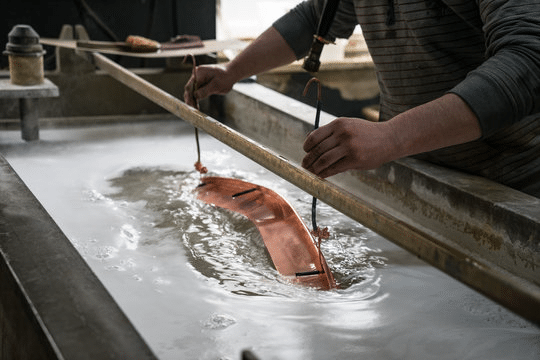
How does the Armoloy coating process work? Because the coating process is highly technical, only a brief summary will be provided here. First our customers reach out to us. Then, we collaborate with them and our innovation lab to ensure the proper coating solution is selected for their substrates, the term for the material to which the coating is applied, and their specific needs. Next, we apply the coating(s) at one of our fulfillment centers. Finally, we ship your coated pieces back to you. It is worth noting, not all substrates are able to be coated, the substrate compatibility will depend on the nature of the coating required.
Substrate Compatibility Topics and Examples
- Coatings, Materials, and Their Processes: An Overview of Substrate Compatibility
- Compatibility Table
- Common Coating Substrates
- Aluminum Coatings: A Unique Solution
- Materials Outside Armoloy’s Standard Coating Processes
- Can Your Part Be Coated?
- FAQ
- Working With Armoloy
Compatibility Table
Below is a table to quickly answer the question: “Can my material be coated?”
Common Coating Substrates
Tool Steel
Tool steel is simply steel intended for use in tools. Today, tool steels are the primary materials modern industry uses to create dies, cutting tools, molds, punches, and more. Tool steels are prized for their hardness, resistance to deformation, and ability to maintain a cutting edge at elevated temperatures. Because of these properties, tool steels may benefit from protective coatings, which can help reduce wear and extend tool life.
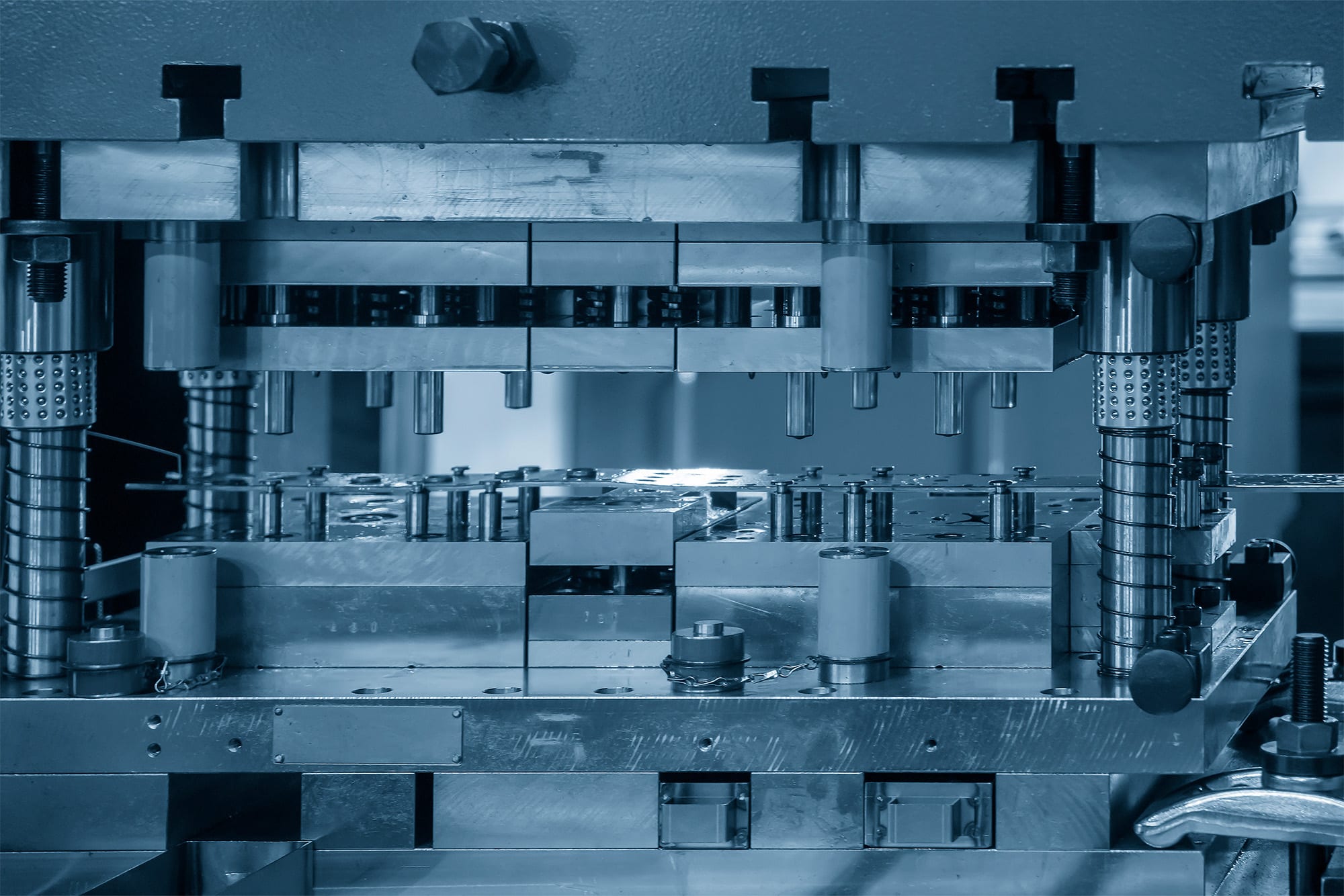
An image showing a progressive die, a common application for tool steel.
Carbon Steel
Carbon steel is defined by its carbon content, usually between 0.05% and 2% by weight, and it is also the most widely produced steel in the world. It can be divided into three categories: low-, medium-, and high-carbon steel. As the carbon content increases, the material becomes harder but also more brittle. This, paired with carbon steel’s vulnerability to rusting, is why protective coatings are especially important for carbon steel. Common applications for carbon steel include automotive parts, machinery, springs, fences, structural beams, cables, and cookware.
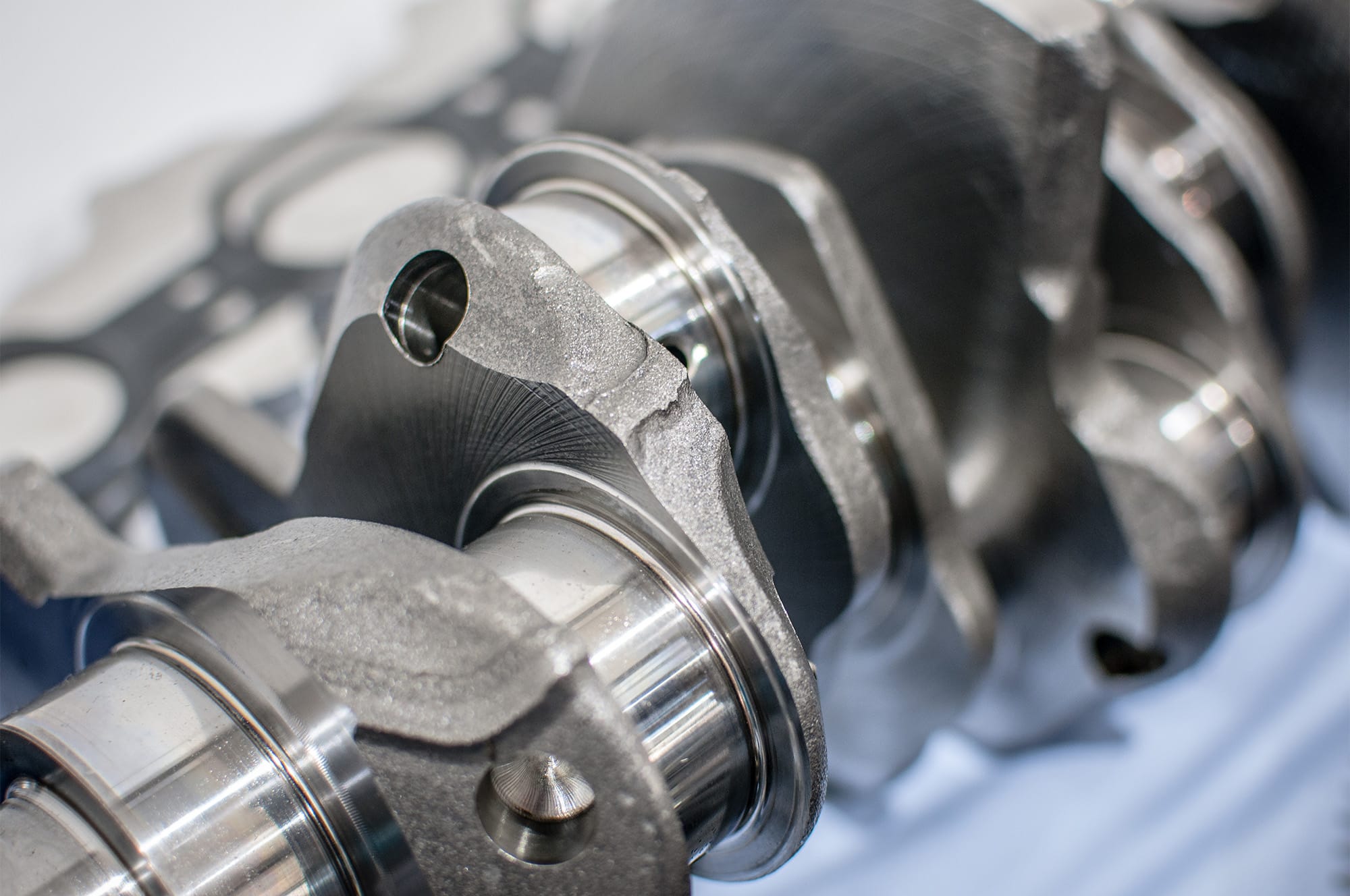
A close-up of a crankshaft, commonly found in car engines, made from carbon steel.
Stainless Steel
Stainless steel is a group of alloys that typically contains 10% to 30% chromium and has a relatively low carbon content. The high chromium content gives stainless steel its strong resistance to corrosion and heat, as well as its self-healing protective oxide layer. Coatings can enhance stainless steel by improving wear resistance, reducing friction, galling, fretting, and chemical erosion, while also providing a clean, sterile environment for contact with food. Stainless steels are generally divided into five groups: austenitic, ferritic, martensitic, duplex, and precipitation-hardening. Common applications of stainless steel include surgical implants, food-safe manufacturing equipment, ocean-going vessels, and appliances.
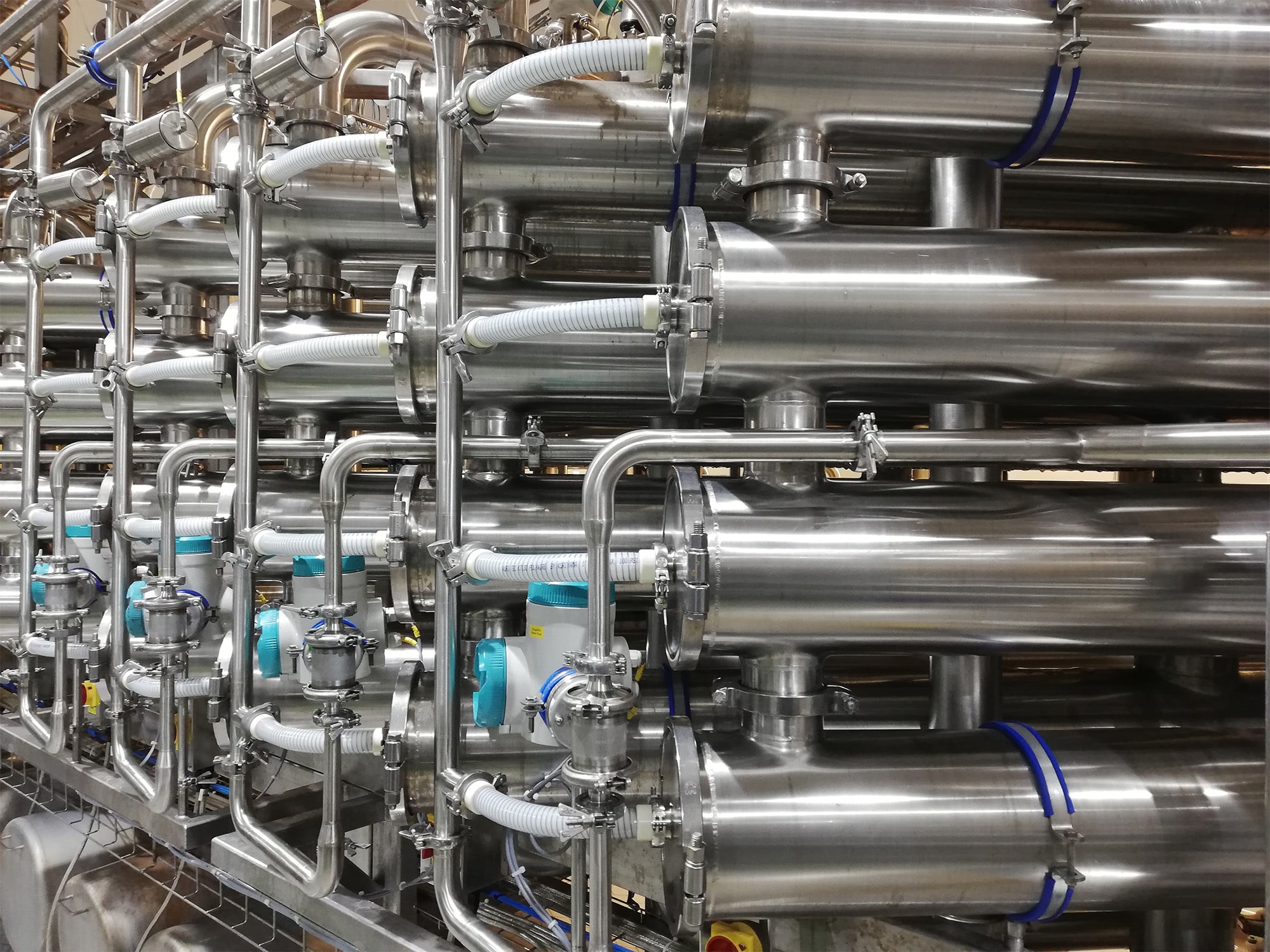
A picture showing a food manufacturing plant using stainless steel in their filtration process.
Copper/Brass/Bronze
Copper is an element, whereas brass and bronze are alloys made by combining copper with other elements. Brass is an alloy of copper and zinc, while bronze is typically made by combining copper with tin. Brass usually contains up to 45% zinc, whereas modern bronze commonly consists of about 88% copper and 12% tin. Copper and most of its alloys are known for their softness, ductility, and tendency to form built-up edges. Protective coatings can help increase copper’s strength and hardness while reducing the formation of built-up edges, without affecting heat transfers. In modern applications, brass is frequently used for door locks, and central heating pipes. Bronze is commonly used for precision machinery, electrical components and bearings. Most copper is used for molding, enhanced heat transfers, wiring, components, plumbing solutions, batteries or for creating alloys such as brass and bronze.
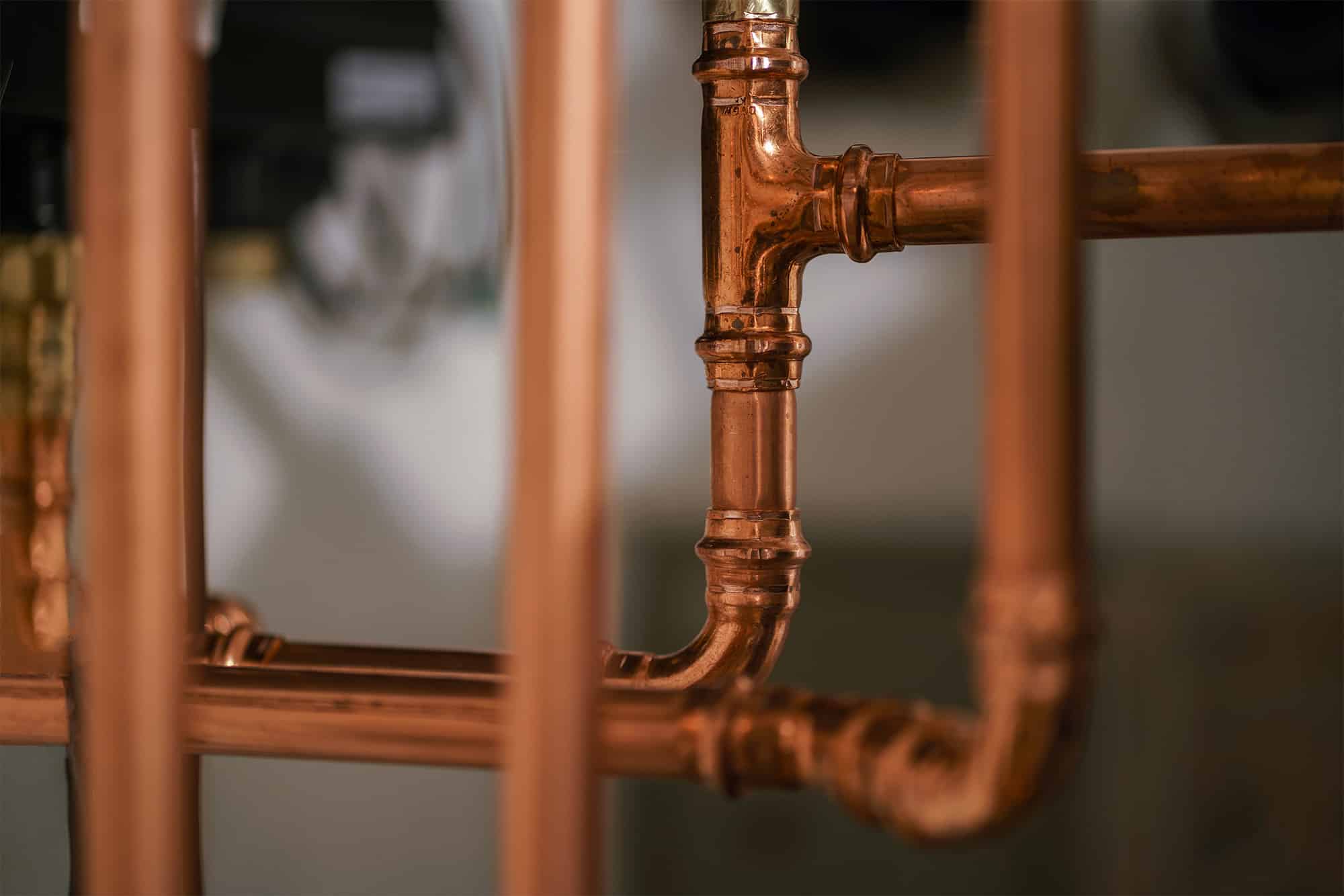
An image showing copper pipes
Cast Iron
Cast iron is an alloy of iron that typically contains 2 to 5 percent carbon. Most cast iron is classified as gray iron, ductile iron, or alloy iron. Cast iron is a hard, brittle, non-malleable, and porous metal renowned for its strength, vibration resistance, and long-term durability. However, the benefits of cast iron can be further enhanced with coating solutions that reduce porosity while increasing strength and hardness. It is important to note that Armoloy hybrid coating solutions cannot seal the outer surfaces of cast iron, only machined cast iron surfaces. In modern applications, cast iron is primarily used in products such as pipes, pans, valves, and automotive components, including gearboxes, cylinder heads, and crankshafts.
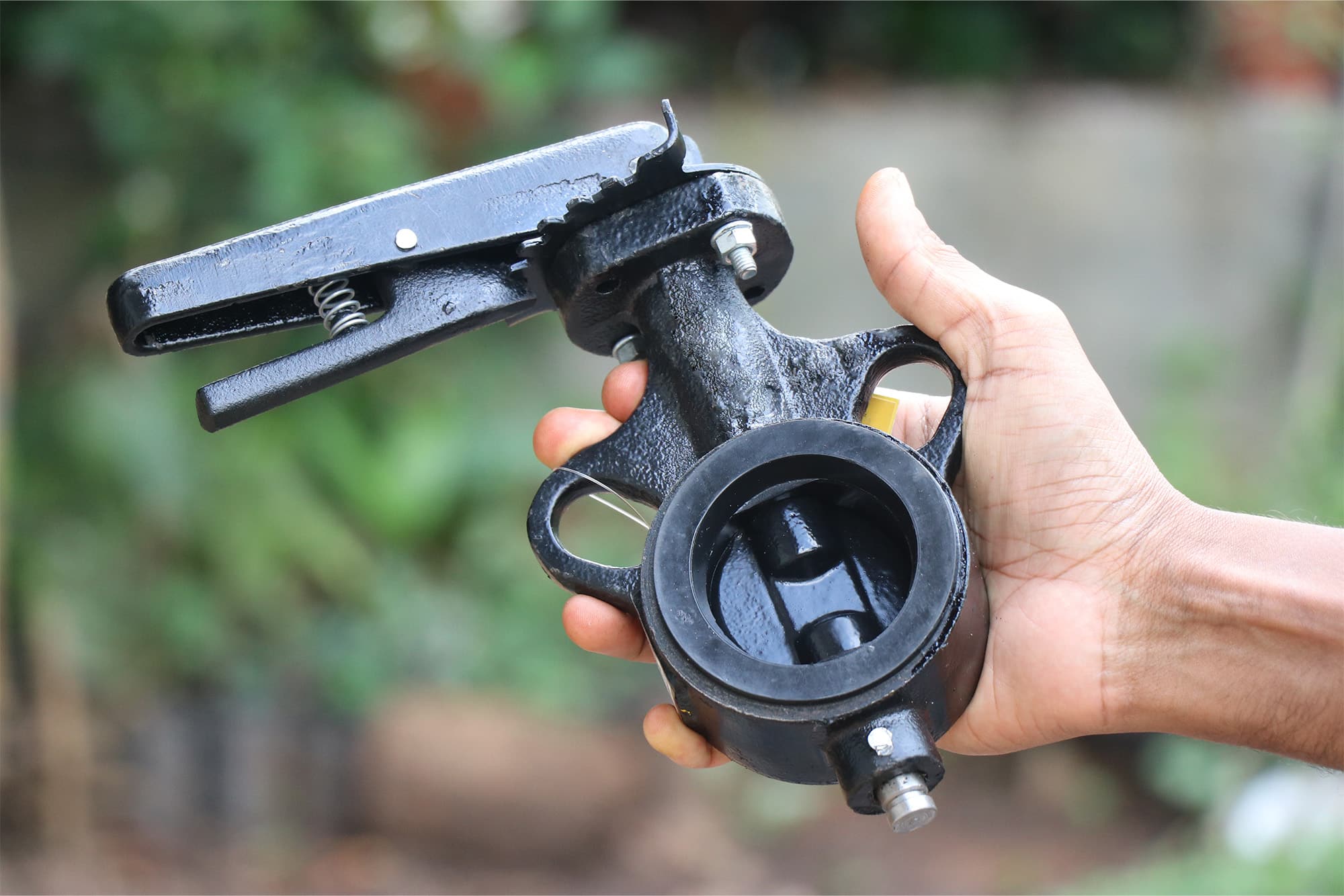
An image of a cast-iron butterfly valve
Aluminum Coatings: A Unique Solution
Can your aluminum be coated at Armoloy? It depends. As mentioned in the opening paragraphs, many factors determine whether a specific part can be coated. Additionally, aluminum often requires more extensive preparation than common steel substrates such as carbon steel and stainless steel. If you have questions about the substrate compatibility of your aluminum components, our engineers would be happy to help.
Coating aluminum can help improve issues commonly associated with the material, including softness, galling, and corrosion. Furthermore, coatings for aluminum components are especially effective against alkaline and chlorinated solutions. They also provide biocompatibility and antimicrobial properties while remaining inert and non-magnetic. Together, these characteristics make Armoloy coatings particularly well suited for aluminum applications in the medical industry.
Materials Outside Armoloy’s Standard Coating Processes
Armoloy cannot coat titanium, magnesium, tungsten, most plastics and polymers, or provide coatings for cosmetic purposes. Armoloy does not typically coat titanium because titanium instantly forms a surface oxide film when exposed to oxygen in air or water. This oxide layer makes it extremely difficult to achieve strong coating adhesion unless specialized surface preparation methods are used beforehand. Armoloy also does not coat magnesium because of the challenges associated with its reactivity, adhesion, and surface uniformity. Different areas of magnesium can behave like tiny electrical hotspots during the plating process, causing some regions to produce hydrogen gas. As a result, gas bubbles can create bumps, crevices, and cracks instead of a smooth, uniform coating. Due to reasons comparable to titanium, Tungsten is similarly difficult to coat as its strong surface film prevents coatings from adhering properly without specialized preparation techniques.
Armoloy generally does not coat plastics or polymers because these materials are not electrically conductive. Since the electroplating process relies on electrical conductivity, plastics and polymers cannot easily hold a charge or be treated with conductive solutions suitable for Armoloy plating. It is worth noting that some of these materials may be coated through specialized processes in other applications; however, they are generally not practical for standard Armoloy coating processes.
Can Your Part Be Coated?
It depends. Specifically, it depends on many factors, Including, but not limited to.
- Part size
- Material/Alloy
- Dimensions
- Geometry
- Quantity
- Operating Environment
- Failure Mode
- Tolerances
- Specifications
- Desired Outcome
- Structure
- Substrate Compatibility
There is a lot to consider, but if your material is previously mentioned, then use the Compatibility Table as a starting point. If you have any questions or are unsure whether about your substrate’s compatibility, you can contact our Armoloy engineers, who would be happy to help determine a suitable solution.
Frequently Asked Questions
Working With Armoloy
Whether you’re contacting us for the first time, or you’re a seasoned expert, our team is here to help. If you provide details about your material, part specifications, operating environment, and coating goals, we can help determine the best solution for your unique challenges.
Share on LinkedIn Share on Facebook
Talk With Us Today