

Armoloy Specifications
Armoloy Specifications
What is AMS 2700F
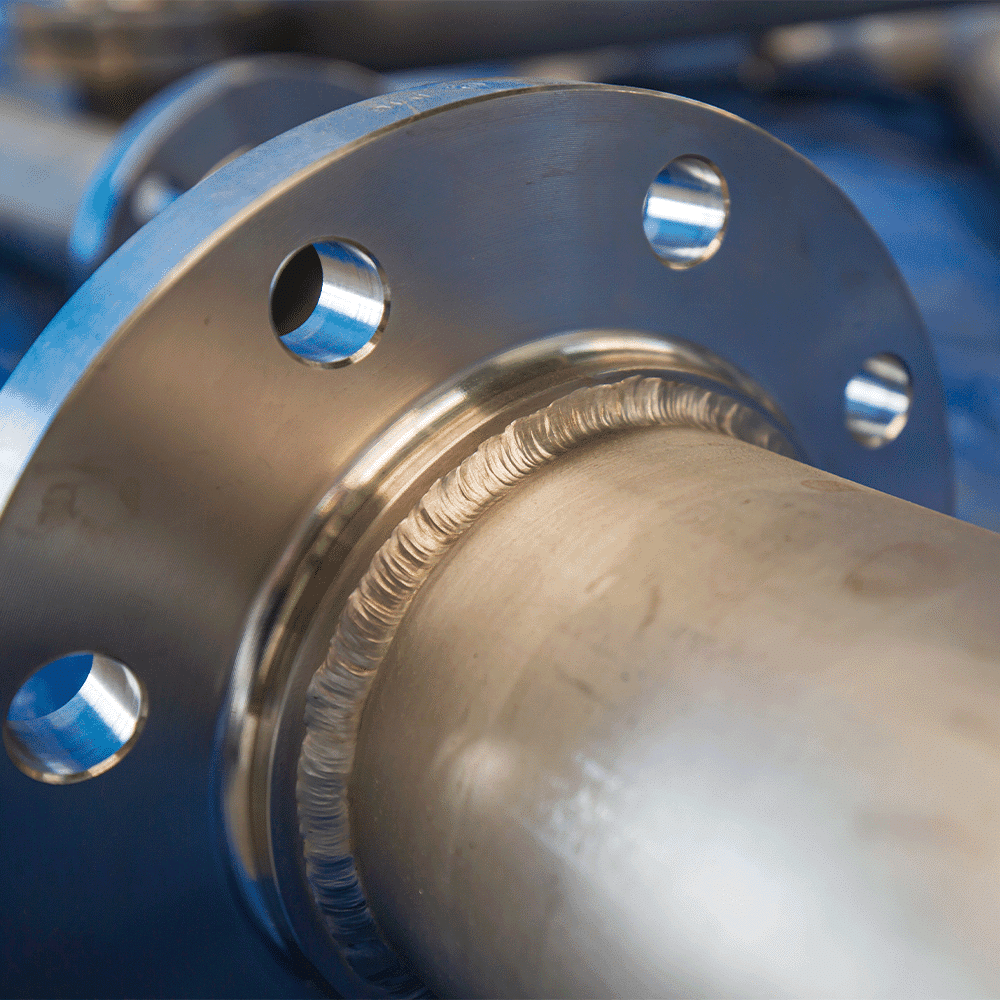
The Role of AMS 2700F in Corrosion-Resistant Steels
Passivation under AMS 2700F improves the passive oxide layer that protects stainless steel from rust and degradation. This is especially important after manufacturing processes like machining, welding, or forming, which can leave residues or expose less corrosion-resistant material. AMS 2700F helps establish consistent processes to remove these contaminants.
By following its guidance, organizations can achieve cleaner, more stable stainless steel surfaces across different grades — from austenitic and martensitic to ferritic and precipitation-hardening alloys. The standard also supports efforts to prevent material failure in harsh environments or high-performance applications, including where regulatory or end-use specifications require documented passivation.
AMS 2700F Testing Methodology & Results
Passivation effectiveness under AMS 2700F is validated through several test methods. These may include:
- Humidity Exposure: Ensures surfaces remain free of red rust under high-moisture conditions.
- Water Immersion Testing: Simulates cyclic exposure to water and air, checking for visible corrosion.
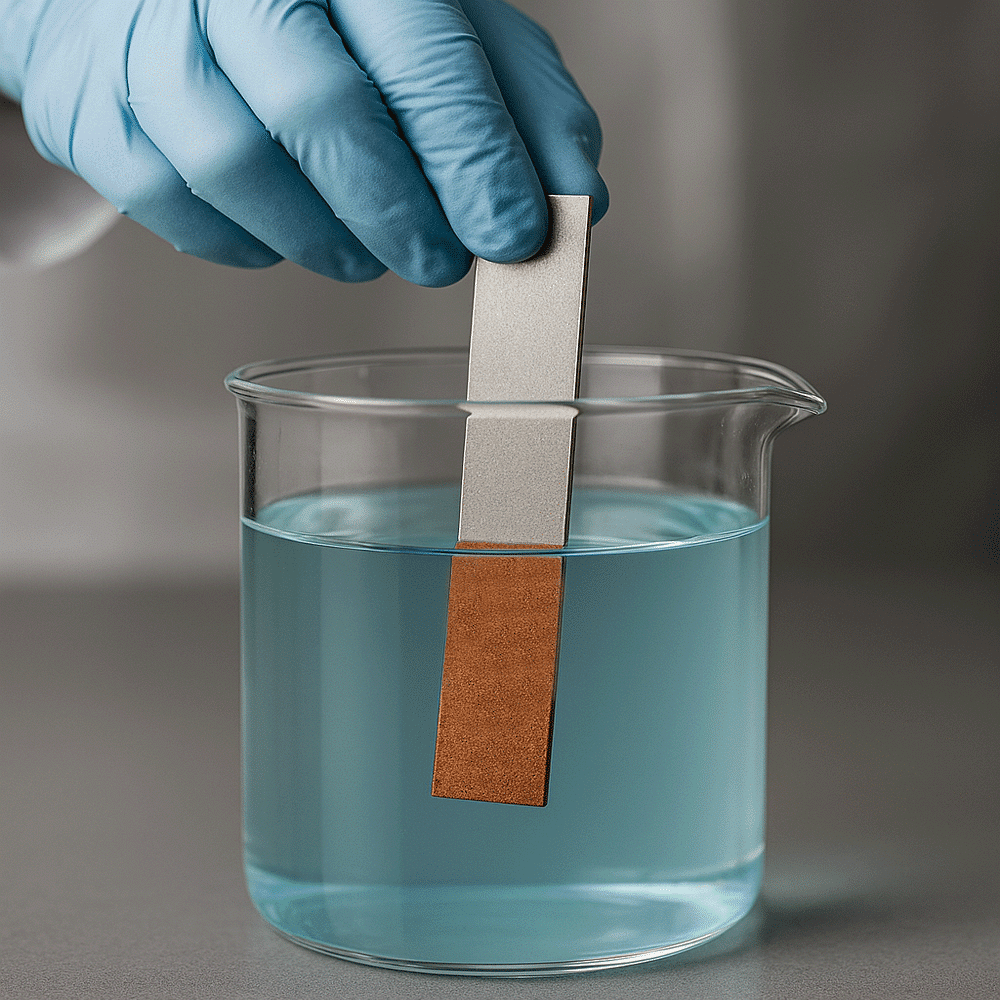
- Copper Sulfate Test: Detects the presence of free iron by visualizing copper deposits.
- Salt Spray (ASTM B117): Evaluates resistance to corrosion in a controlled salt fog environment.
Parts may be subject to one or more of these tests based on class designation and material type. The specification includes guidance on sample sizes, testing frequency, and alternate specimens when part size or geometry limits direct testing.

Industries that Follow AMS 2700F
AMS 2700F is used across industries where stainless steel is exposed to demanding conditions. These include:
- Aerospace: Ensures reliability of fasteners, structural components, and systems exposed to environmental extremes.
- Medical and Surgical: Enhances cleanliness and corrosion resistance of instruments, implants, and housings.
- Defense and Military: Helps meet durability and compliance standards for mission-critical hardware.
- Semiconductors and Electronics: Maintains material integrity for high-purity environments.
- Food Processing and Packaging: Evaluating protective coatings on bridges, buildings, and pipelines.

Benefits of Working with an AMS 2700F-Compliant Provider
Enhanced corrosion resistance
Passivation improves performance in humid, wet, or chemically aggressive settings
Process flexibility
Options for nitric or citric acid passivation accommodate a wide variety of stainless steels
Regulatory alignment
Supports compliance with military, aerospace, and industry-specific standards
Documented quality
Testing, classification, and reporting support traceability and audit readiness
Surface cleanliness
Removal of iron contaminants ensures optimal surface integrity and appearance
Expertise across alloys
Providers experienced with the standard can recommend the most suitable method for your specific grade and application
Contact Us
Armoloy offers plating solutions that meet AMS 2700F to support both regulatory compliance and individual project needs. Connect with our team to find the right solution for your application.
Disclaimer
The information provided on this page, including any descriptions, interpretations, or summaries related to AMS 2700F, is offered solely by The Armoloy Corporation for general informational purposes. This content reflects Armoloy’s internal understanding and practical application of AMS 2700F within its own processes and does not constitute official or authorized guidance from SAE International.
AMS 2700F is a proprietary standard developed and owned by SAE International. Armoloy makes no claim to ownership of this specification and does not reproduce, quote, or distribute any protected content from the original document. References to AMS 2700F are made in accordance with fair use principles and are intended to illustrate Armoloy’s alignment with widely recognized surface treatment standards.
This content is not intended to substitute for the official specification, which should be obtained directly from SAE International. Readers are strongly encouraged to consult the original standard and qualified professionals for definitive technical or compliance information.
The Armoloy Corporation makes no warranties, express or implied, regarding the accuracy, completeness, or applicability of this content and disclaims all liability for any reliance placed upon it. This disclaimer is subject to change without notice and does not create any contractual relationship or obligation.