

Armoloy Specifications
Armoloy Specifications
AMS 2759/9E
Hydrogen Embrittlement Relief (Baking) of Steel Parts
Armoloy Specifications
What is AMS 2759/9E?
The Role of AMS 2759/9E in Post-Plating or Surface Treatment
Hydrogen is often introduced into steel during surface treatment operations, including:
- Electroplating (e.g., cadmium, chromium, nickel, zinc)
- Chemical cleaning
- Acid pickling
- Electropolishing
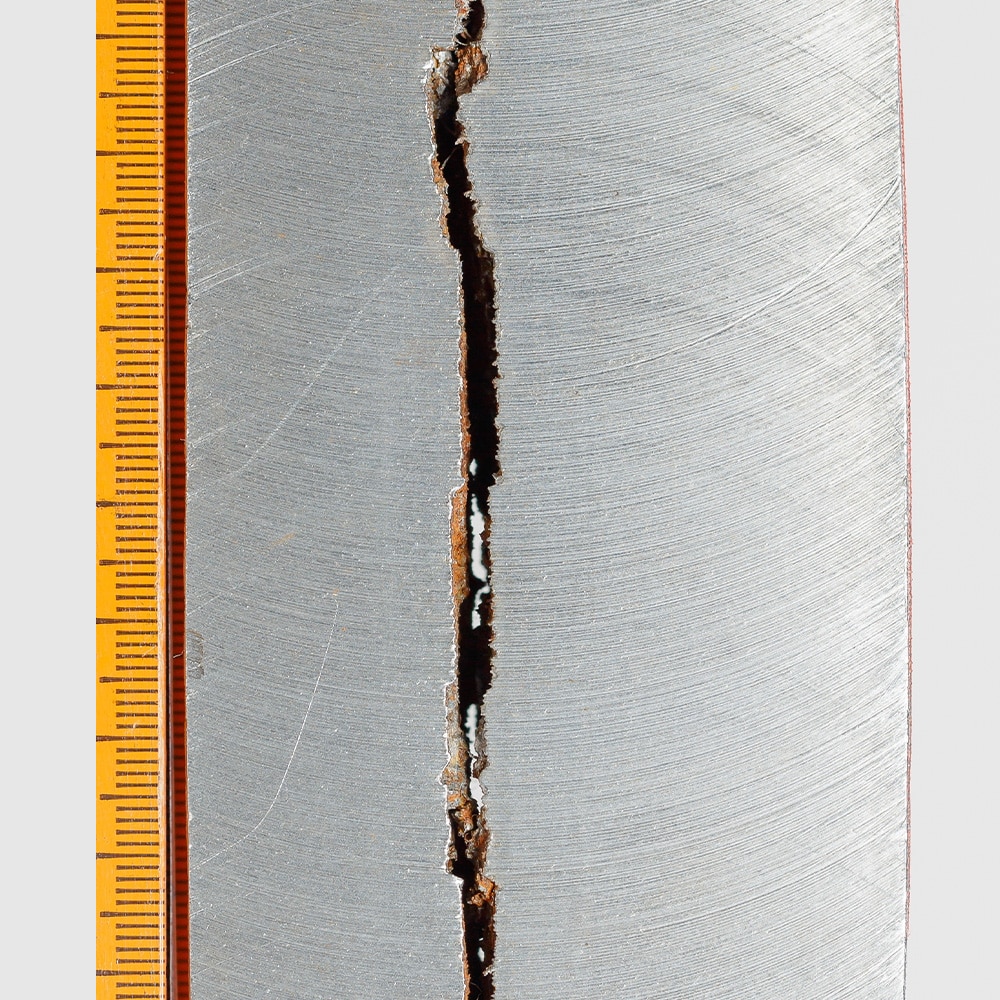
While these processes serve necessary functions (like corrosion resistance or dimensional restoration), they also make high-strength steels vulnerable to hydrogen ingress. If hydrogen atoms diffuse into the steel lattice, they can cause microscopic cracking under stress, which eventually leads to brittle failure—sometimes days or weeks after the part is installed.
AMS2759/9E baking procedures mitigate this risk by using controlled post-process heating to allow trapped hydrogen to diffuse out of the part before it can cause harm.
AMS 2759/9E Baking Methodology and Requirements
The standard defines critical process parameters based on the steel’s ultimate tensile strength (UTS) and the hydrogen introduction source (plating, pickling, etc.). The key elements include:
Baking Time
- Typically ranges from 2 to 24 hours, depending on part geometry, tensile strength, and hydrogen exposure.
- The duration must be long enough to remove absorbed hydrogen, particularly for high-strength steels above 180 ksi.
Baking Temperature
- Generally between 375°F to 425°F (190°C to 218°C).
- Must be tightly controlled to avoid tempering or altering the mechanical properties of the part.
Time to Bake After Exposure
- Critical requirement: baking must begin within a specific window (usually within 1 to 4 hours) after hydrogen exposure to be effective.
- Delays reduce the effectiveness of embrittlement relief.
Atmosphere and Oven Control
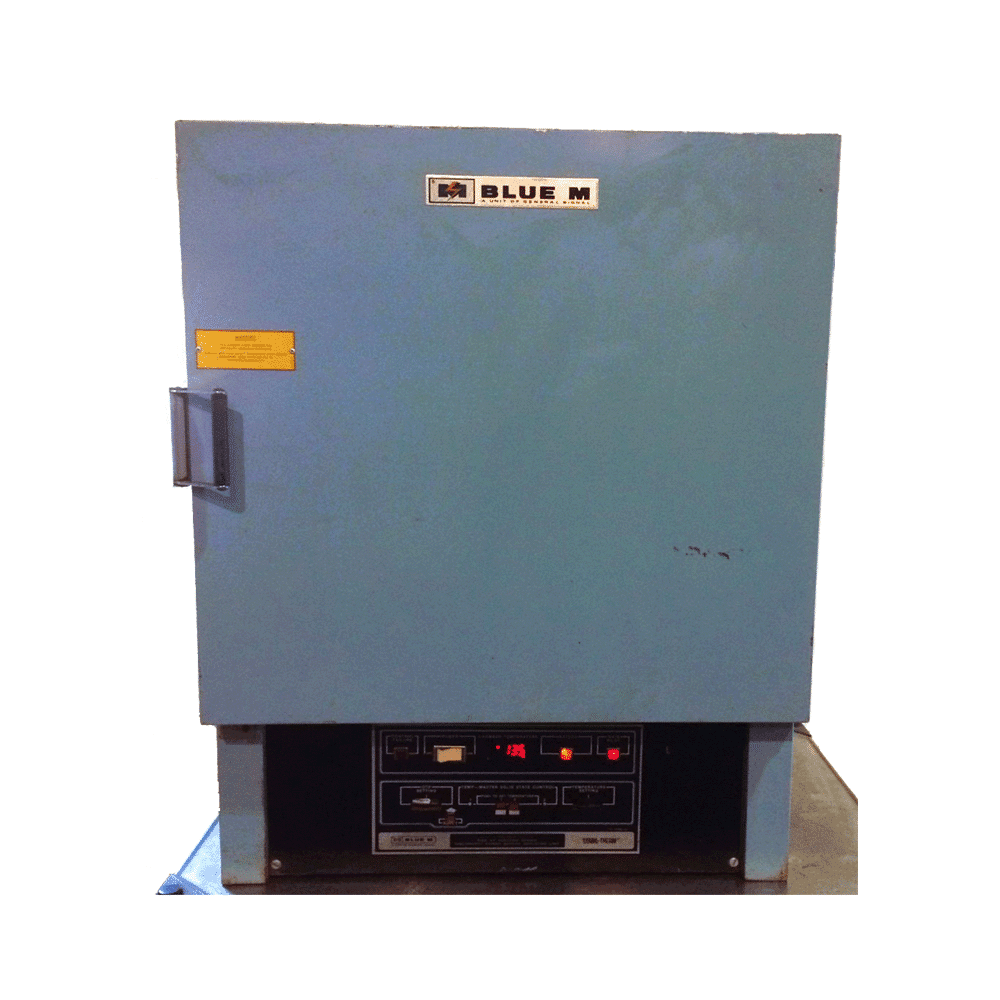
- Baking must be performed in a convection oven or equivalent system that ensures uniform heating.
- Parts must be supported properly to prevent distortion and may not be handled in a way that reintroduces hydrogen.
Exemptions and Testing
- Some low-strength steels (below 120 ksi UTS) or components with low risk may be exempt from baking, but only if approved.
- Verification may involve hardness testing, notch bar impact testing, or destructive methods per quality system requirements.

Industries That Require AMS 2759/9E Compliance
- Aerospace: This standard is crucial in manufacturing and maintenance of aircraft fasteners, landing gear, and structural components made from high-strength alloy steels.
- Automotive: High-performance drivetrains, suspension parts, and racing-grade fasteners often use ultra-high-strength steels and undergo plating that requires embrittlement relief.
- Defense: Weapon systems, armored vehicle parts, and aircraft hardware are subject to hydrogen embrittlement risk and must be processed per AMS2759/9E.
- Medical Implants & Surgical Tools: While less common, certain surgical-grade steels may undergo similar baking if they are electroplated for corrosion protection.
- Heavy Industrial & Power Transmission: Parts such as bolts, couplings, and load-bearing pins exposed to hydrogen in corrosive environments often require embrittlement relief as part of QA protocols.
Benefits of Working with an AMS 2759 Provider
Failure prevention
Hydrogen embrittlement is an invisible threat until parts fail in the field. AMS2759/9E baking protocols neutralize this risk through proven heat treatment practices
Specification alignment
If your drawings, RFQs, or OEM supplier quality manuals cite AMS2759/9E, working with a compliant provider ensures smooth audits, traceability, and conformance
Protects high-strength materials
Critical materials such as 4340, 4140, 300M, or AISI 8740 steels are protected from hydrogen-induced cracking by proper post-process baking
NADCAP & aerospace-grade readiness
Providers who bake to AMS2759/9E are often NADCAP-certified or operate under AS9100 quality systems—ensuring process control, documentation, and repeatability
Contact Us
Armoloy offers plating solutions that meet AMS 2759 to support both regulatory compliance and individual project needs. Contact us to find the right solution for your application.
Disclaimer
The information provided on this page, including any descriptions, interpretations, or summaries related to AMS 2759/9E, is offered solely by The Armoloy Corporation for general informational purposes. This content reflects Armoloy’s internal understanding and practical application of AMS 2759/9E within its own processes and does not constitute official or authorized guidance from SAE International.
AMS 2759/9E is a proprietary standard developed and owned by SAE International. Armoloy makes no claim to ownership of this specification and does not reproduce, quote, or distribute any protected content from the original document. References to AMS 2759/9E are made in accordance with fair use principles and are intended to illustrate Armoloy’s alignment with widely recognized heat treatment practices.
This content is not intended to substitute for the official specification, which should be obtained directly from SAE International. Readers are strongly encouraged to consult the original standard and qualified professionals for definitive technical or compliance information.
The Armoloy Corporation makes no warranties, express or implied, regarding the accuracy, completeness, or applicability of this content and disclaims all liability for any reliance placed upon it. This disclaimer is subject to change without notice and does not create any contractual relationship or obligation.