
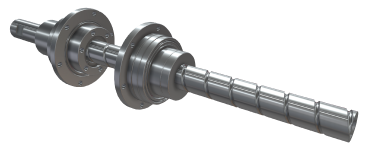
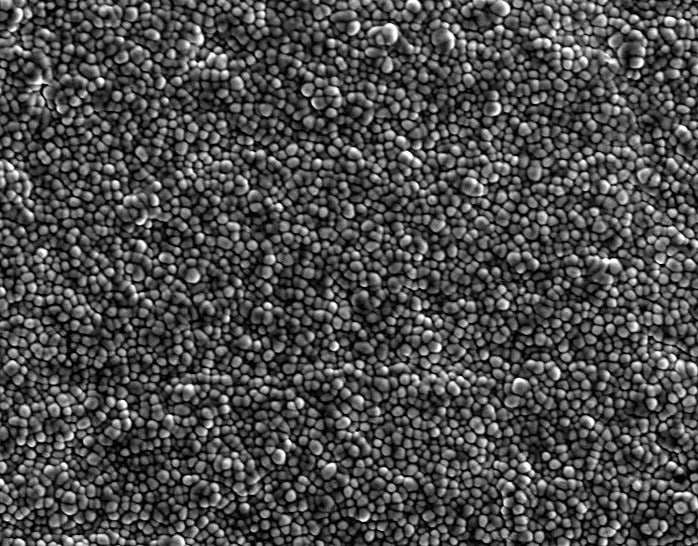
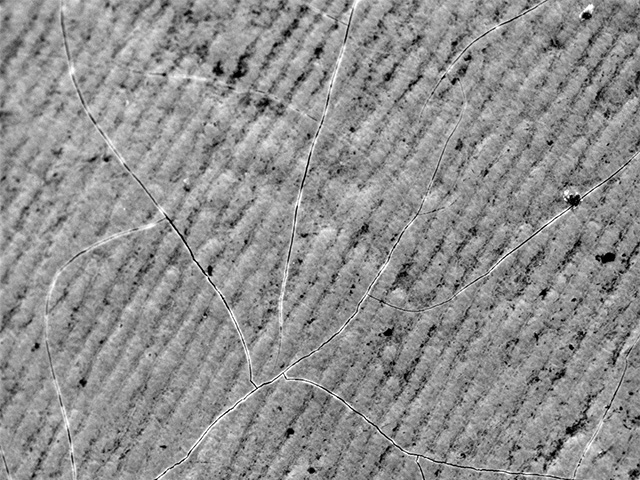
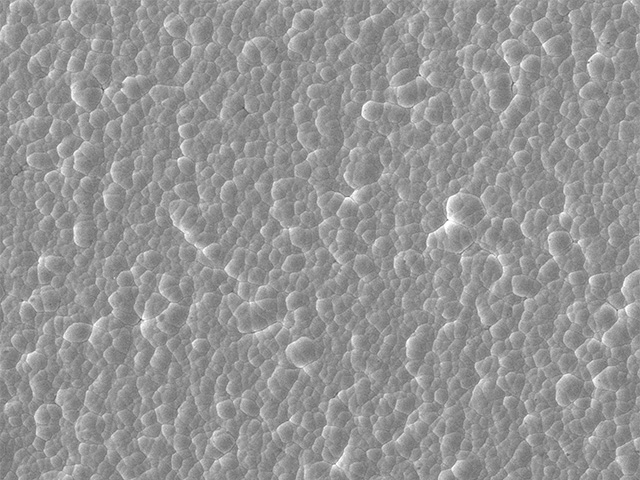
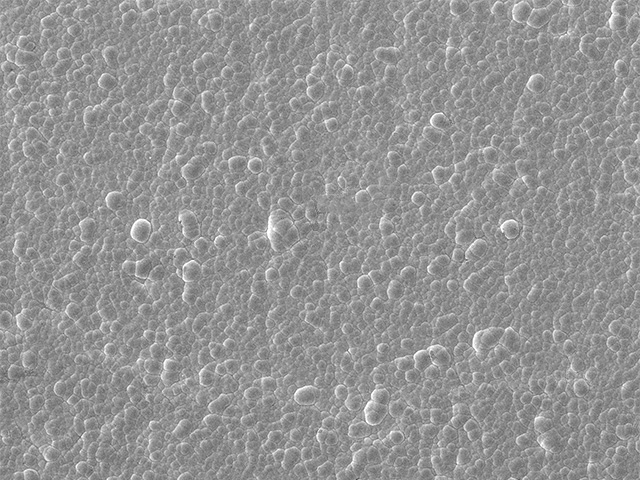
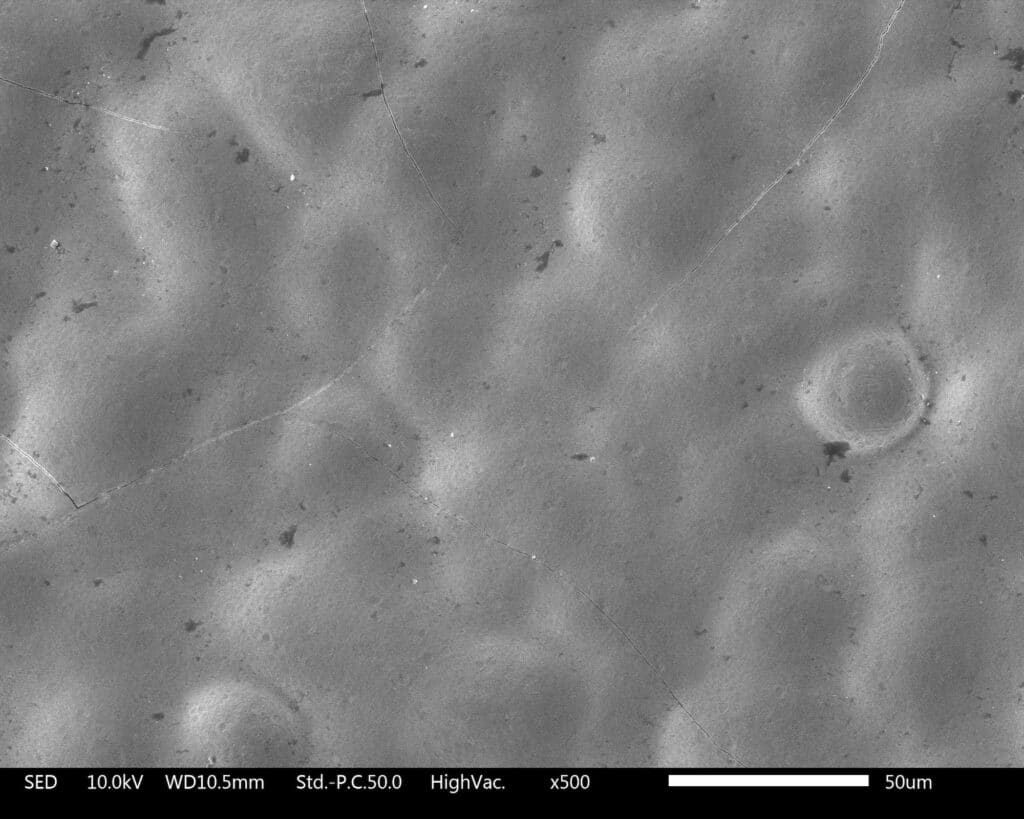
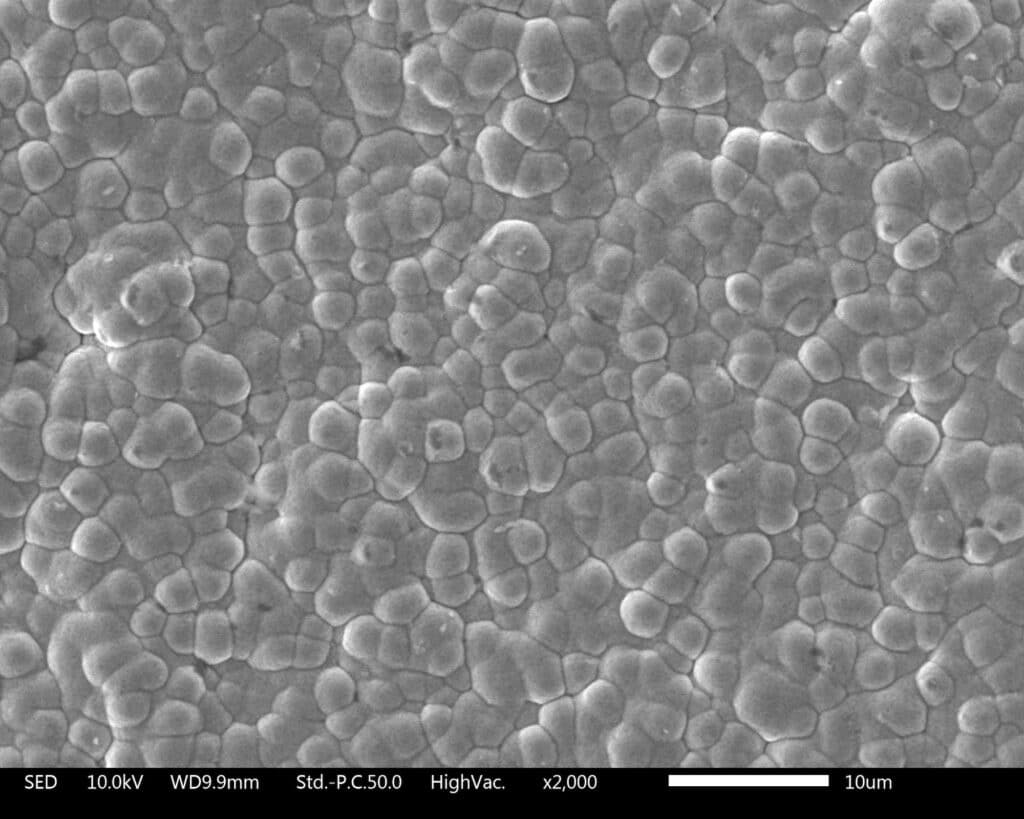
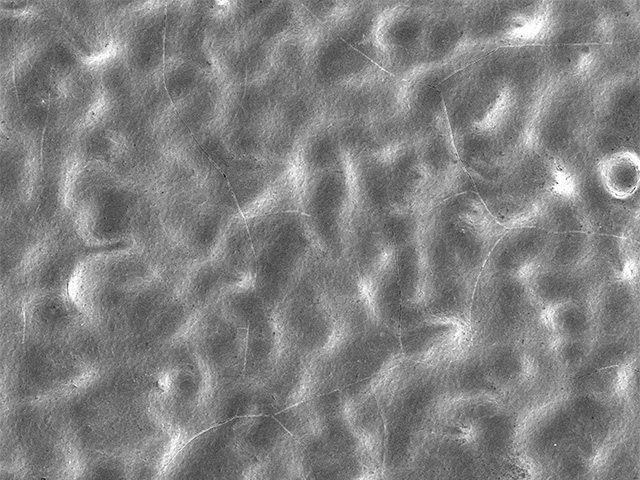


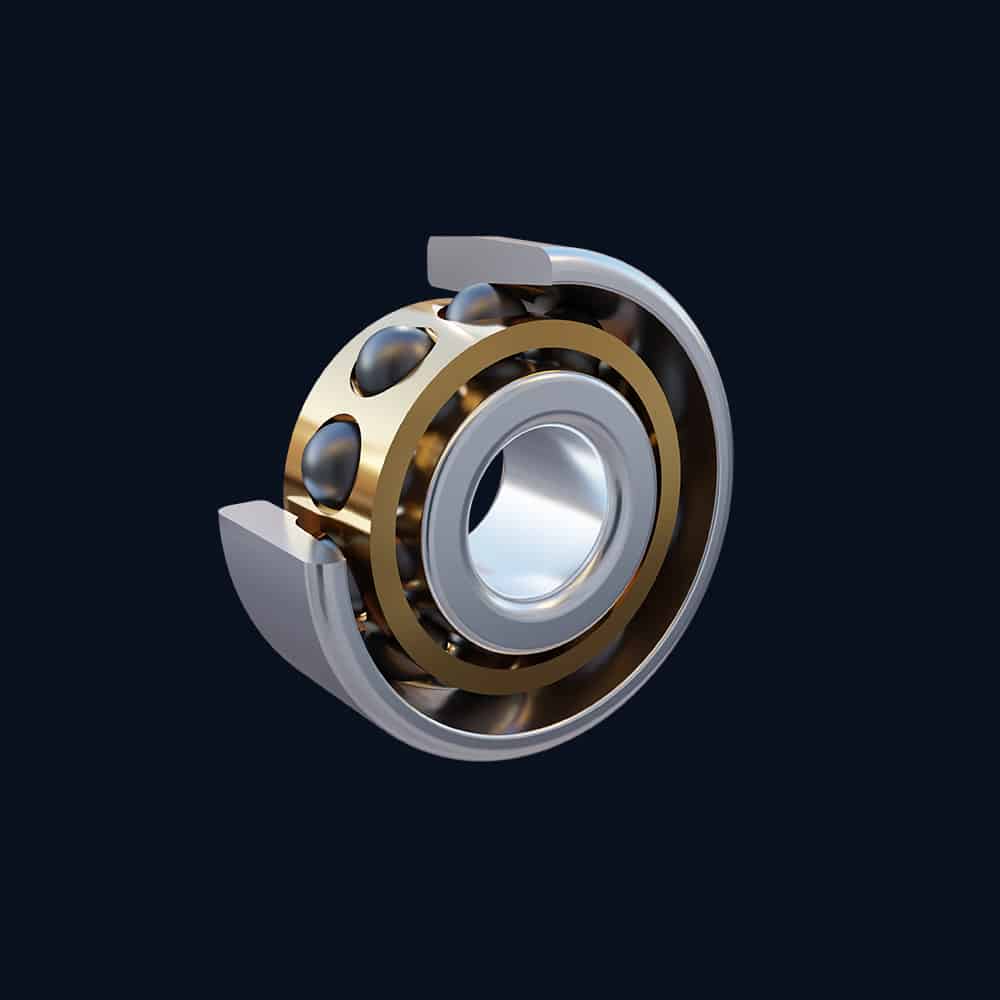

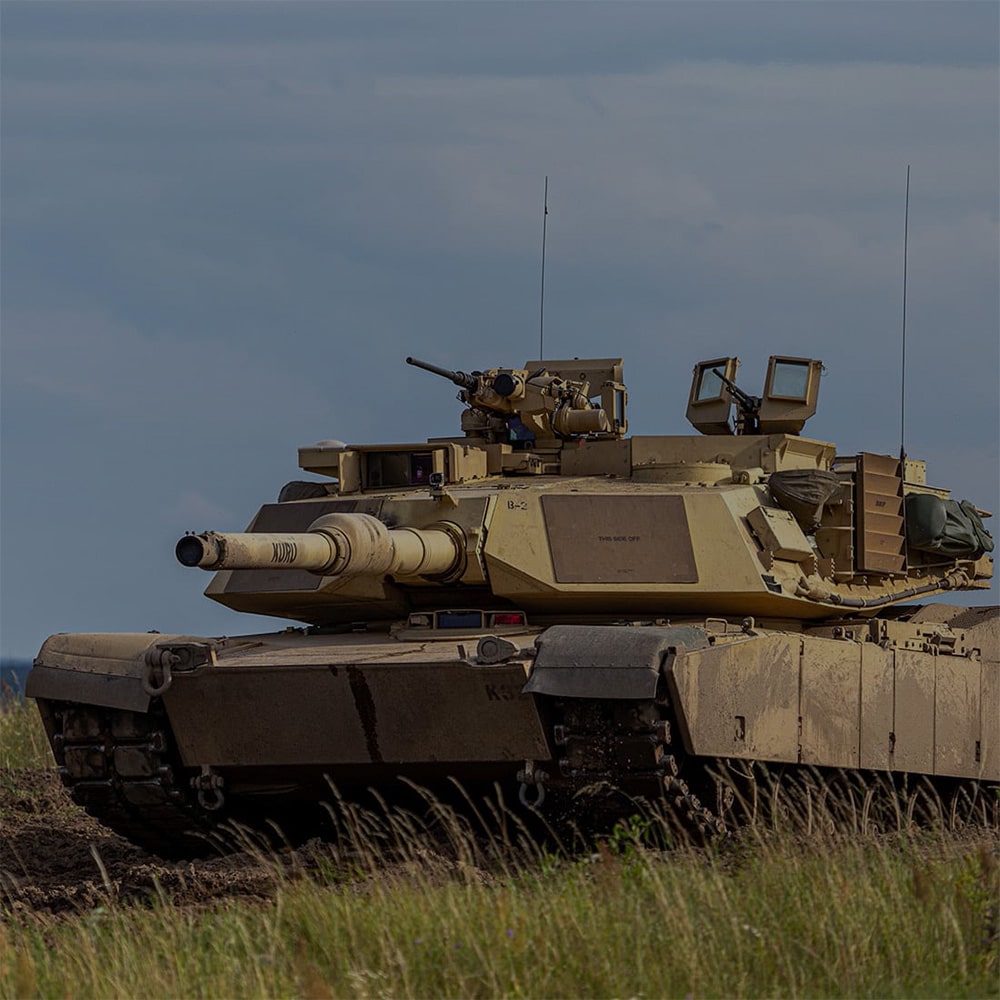


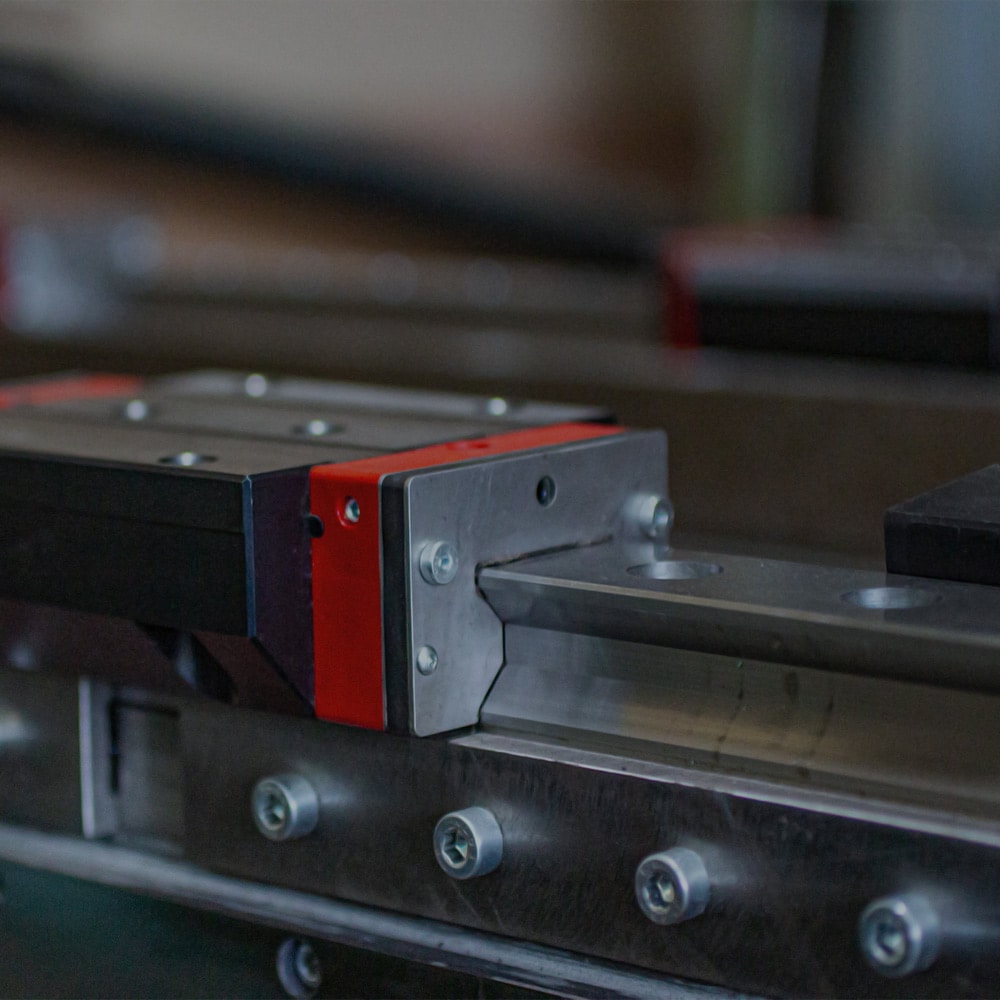


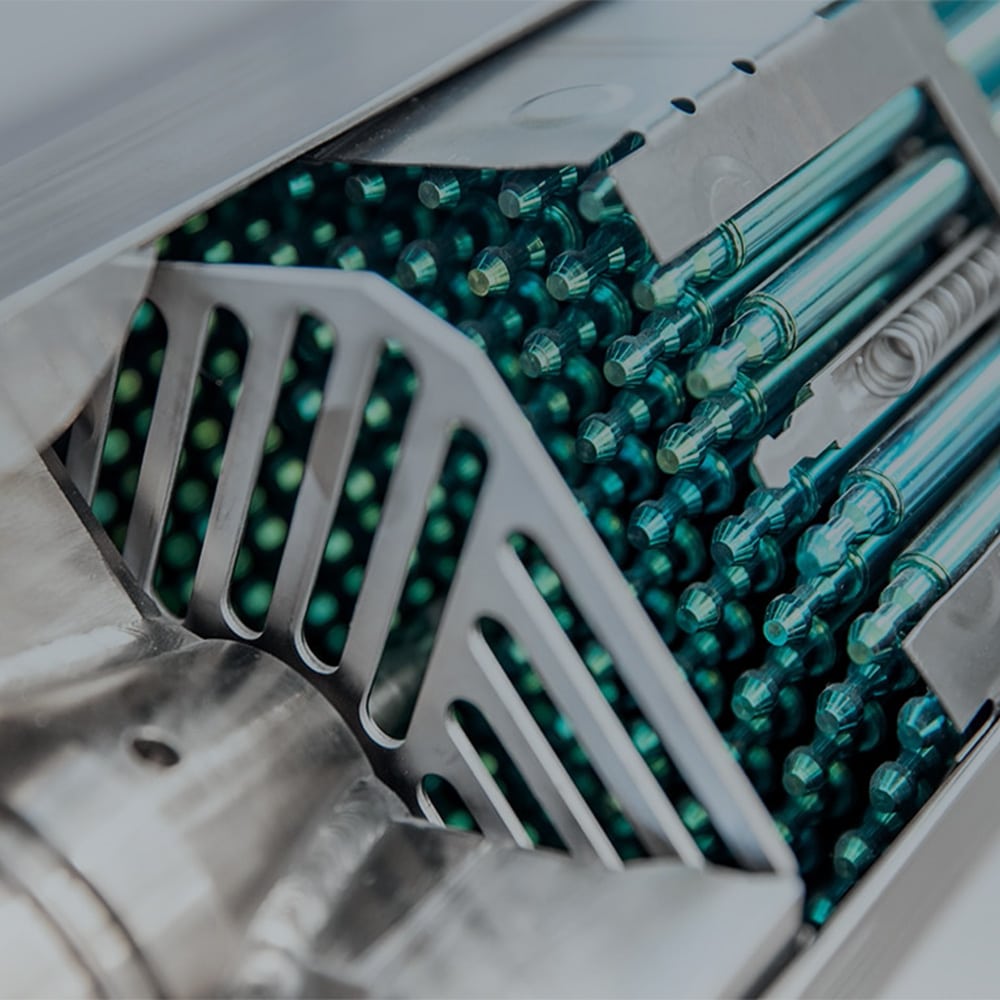





Unlike hard chrome plating, TDC is engineered for tight-tolerance parts with minimal dimensional change and, depending on the texture, emphasizes reduced microcracking and improved wear/corrosion behavior. Moreover, hard chrome often requires post machining processes whereas thin dense chrome avoids the extra time and cost altogether.
Armoloy Coatings
Armoloy Coatings
Thin Dense Chrome
Engineered chromium coatings for wear, friction, and corrosion control
Armoloy Coatings
What is Thin Dense Chrome?
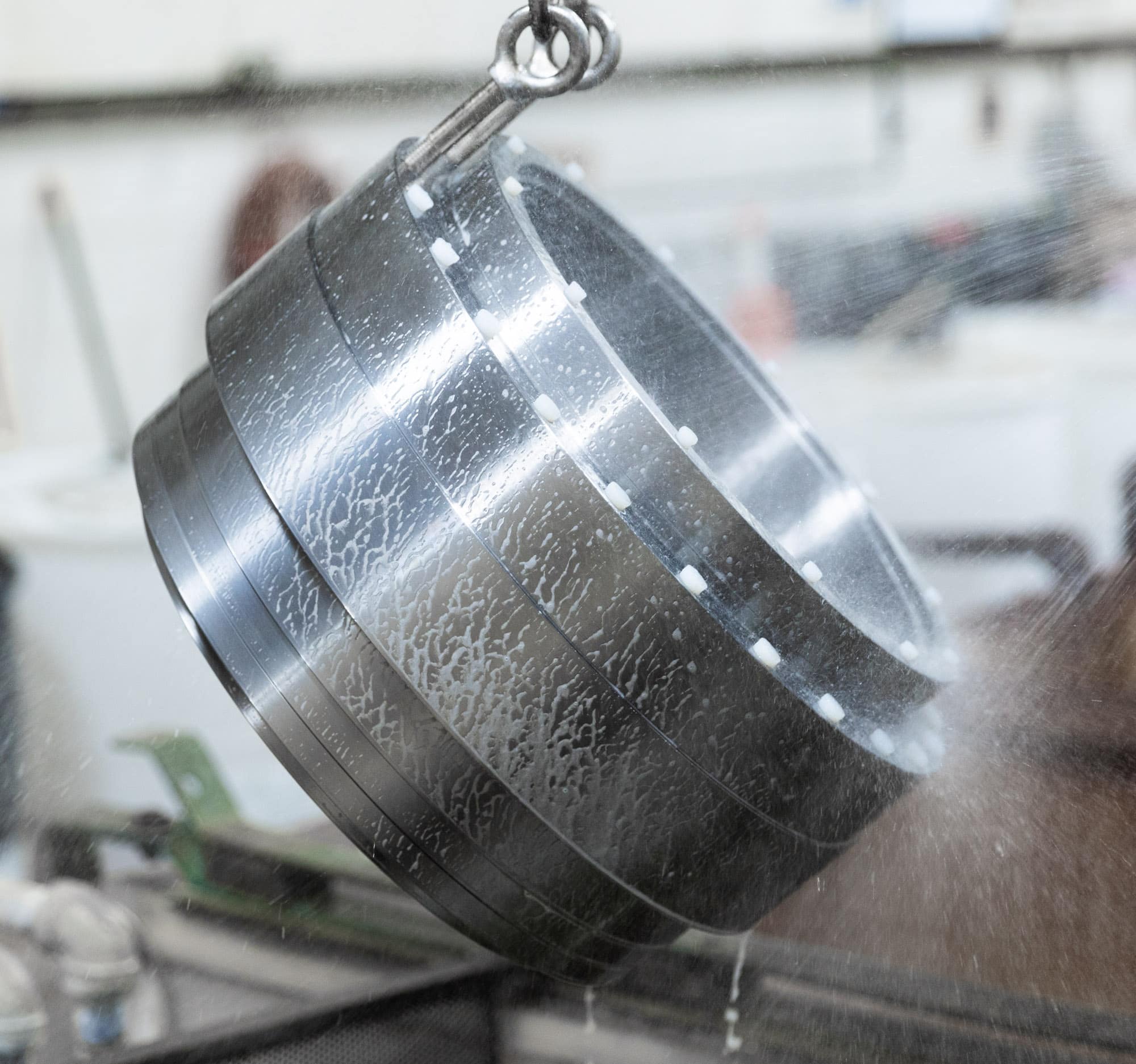
Thin Dense Chrome (TDC) is a family of engineered chromium coatings applied through a controlled electroplating process to improve surface performance without altering part dimensions.
Unlike decorative chrome finishes designed primarily for appearance, or conventional hard chrome focused on heavy buildup, Thin Dense Chrome is engineered for precision functional applications requiring controlled surface performance on industrial components.
Thin Dense Chrome deposits a dense, uniform chromium layer at low thickness — typically 0.00005” to 0.001” (1.27 to 25.4 µm). At these levels, TDC delivers high hardness, low surface friction, strong adhesion, and enhanced wear performance while maintaining tight dimensional tolerances.
Details About Armoloy Thin Dense Chrome
Originally developed by Armoloy in the late 1950s as a functional alternative to thick hard chrome plating, thin dense chrome has evolved into structural variations for different operating environments. The two primary surface structures — micronodular and microcracked — produce distinct surface behavior and are selected based on wear, corrosion, and lubrication demands.
All Armoloy TDC coatings share the same zero valence chromium foundation, but variations in structure and processing create different performance characteristics. In addition to these two surface types, TDC can be combined with nickel layers or advanced surface technologies to form hybrid coatings for specialized environments.
Thin Dense Chrome therefore refers not to a single coating, but to a family of chromium surface solutions engineered for different requirements. Armoloy’s TDC coatings represent one of the most established and technically refined evolutions of this technology.
Explore TDC Coatings
Thin Dense Chrome Performance Characteristics
Armoloy thin dense chrome coatings are engineered to modify surface behavior while maintaining dimensional accuracy. Performance values vary by structure and application environment.
- Surface hardness up to 78Rc
- 10% – 67% reduction in coefficient of friction
- Corrosion resistance tested to AMS 2438 per ASTM B-117
- Taber wear index (TWI) as low as 0.7
- Thermal expansion range of 2.7 – 4.6 (10 ̄6/°F)
- Density of 7.14 g/cm ̄3 at 20°C
- Effective deposit range of .000050” to .0001” (1.27 to 17.78 µm)
- Withstands temperatures of -400°F to 1600°F (-240°C – 870°C)
- Low processing temperature, <150° F (<65°C)
- Bond strength exceeding 125,000 PSI
- Excellent resistance to broad range of chemicals including acids, bases, and solvents
Compare Armoloy Coatings
| Thin Dense Chrome
Flagship
|
Nickel | Hard Chrome | Xylan | Molybdenum Disulfide | |
|---|---|---|---|---|---|
| Common Industries | Precision Bearings, Medical Instruments and Devices, Robotics, Linear Motion Systems, Molds, Dies, and much more. | Packaging, Blister-Pack Molding, Automotive, Electronics, and more. | Shafts, Molds, Dies, Hydraulic and Pneumatic Rods, Industrial Rolls, and more. | Fasteners and Threaded Components, Molds, Pumps, Pistons, Valves, Marine Equipment, and more. | Microelectronics, Photovoltaics, Automotive, Sliding Applications, Vacuum Systems, and more. |
| Generally Used For |
Corrosion Resistance
Wear Resistance
Improves Machine Performance
|
Corrosion Resistance
Wear Resistance
|
Wear Resistance
Corrosion Resistance
|
Release
Corrosion Resistance
|
Release
Lubricity
|
| Advantages | Thin Dense Chrome is a pure metallic zero valence chromium coating that prevents metal failures and improves machine performance. | Nickel coatings are renowned for their corrosion and wear resistance. | Hard chrome plating is selected for applications that require surface durability, dimensional restoration, and reliable performance under load and motion. | Xylan is built for extreme environments where corrosion resistance, friction and wear reduction, and buildup prevention are paramount. | Molybdenum Disulfide is known for its exceptional lubrication, high load-bearing capacity, and temperature resistance. |
| Disadvantages | Thin Dense Chrome can be affected by prolonged exposure to saltwater and caustic environments. | Nickel coatings struggle with rolling contact fatigue, highly abrasive operations and, depending on the type of nickel coating, are typically applied in thicker layers than Thin Dense Chrome coatings. | Hard chrome coatings are typically very thick, often exceeding the requirements for precision applications. Moreover, they do not achieve a perfect bond with substrates and exhibit lower hardness compared to thin dense chrome. | Xylan coatings are sacrificial coatings designed to wear down with use, which creates the need for reapplication. | Molybdenum disulfide is also a sacrificial coating designed to wear down with use, and it struggles in humid conditions. While the coating performs extremely well in a vacuum, water vapor can often limit its applications. |
| Thickness |
1.27 – 25.4 µm
0.00005″ – 0.001″
|
2.54 – 76.2 µm
0.0001″ – 0.003″
|
25.4 – 762 µm
0.001″ – 0.03″
|
12 – 38 µm
0.0005″ – 0.0015″
|
5.08 – 7.62 µm
0.0002″ – 0.0004″
|
Armoloy coatings have passed the rigorous testing standards for the following accreditations:
- AS9100D
- ISO 9001:2015
- ISO 14001:2015
- REACH Compliance
- Nadcap
- ISO 19011
- RoHS Compliance
- WEEE Compliance
- NAMSA
- ISO 10993
Armoloy can provide compliance with industry standards and specifications to include:
- Aerospace Material Specification SAE AMS2438 Plating, Chromium Thin, Hard, Dense Deposit
- Aerospace Material Specification SAE AMS2406
- Process Specification No. 180 Nodular Thin Dense Chromium (NTDC) Plating
- Aerospace Material Specification SAE AMS2460 | AMS-QQ-C-320, Chromium Plating (Electrodeposited)
- Honeywell GPS3116-1H Plating, Specialized
- Fisher FFS 2E1 Chromium Coating for Service to 1100F(593C)
- MIL—C-23422 Military Specification, Chromium Plating, Electrodeposited
- ASTM B650 Standard Specification for Electrodeposited Engineering Chromium Coatings on Ferrous Substrates

Why Choose Armoloy?
Start-to-Finish Surface Solutions
From early-stage consultation to final inspection, we manage every step in-house, backed by a full metallurgical lab and decades of coating expertise.
Proven Process Development
Our innovation center builds repeatable, validated processes you can count on. Wherever your coating is fulfilled, it’s done to the same precise spec.
Global Fulfillment, Local Support
With coating centers and logistics support across the globe, we deliver fast, consistent quality wherever your operations are.
Tested. Trusted. Certified.
Armoloy coatings meet rigorous regulatory and industry standards, from RoHS and REACH to ISO and . See our full list of Accreditations and Specifications.
Frequently Asked Questions
Armoloy provides Nodular TDC, Microcracked TDC (Electrolizing®), XADC® (nano-diamond co-deposit), and hybrids like Bi-Protec (EN+TDC/XADC) and Gullon (TDC + solid-film lubricant) to target specific wear, friction, and corrosion profiles.
Armoloy TDC reaches about 72–78 Rc (depending on variant and process), enabling excellent sliding and abrasive wear resistance. Armoloy nodular thin dense chrome can exceed 78 Rc but the average is typically 78 Rc.
Both—Armoloy’s TDC reduces wear, friction, and corrosion; nodular TDC in particular is positioned for corrosion mitigation alongside low friction.
Armoloy documents USDA approved/FDA-compliant claims with supporting biocompatibility notes (USP/REACH/RoHS context) for TDC variants used in regulated environments. (Confirm clause-level requirements during quoting.)
TDC produces a uniform matte finish by default; appearance options (e.g., matte, satin, non-reflective) are available with Microcracked TDC.
Yes—Armoloy offers a Microcracked TDC for Aluminum (AL-COAT) option designed for aluminum alloys while maintaining thin, dense deposits.
Partner With Armoloy
Eliminate metal failure from your operations and elevate machine performance. Meet our group of curious, innovative engineers and learn how we can help improve your industry with science-based solutions.
Request Information