





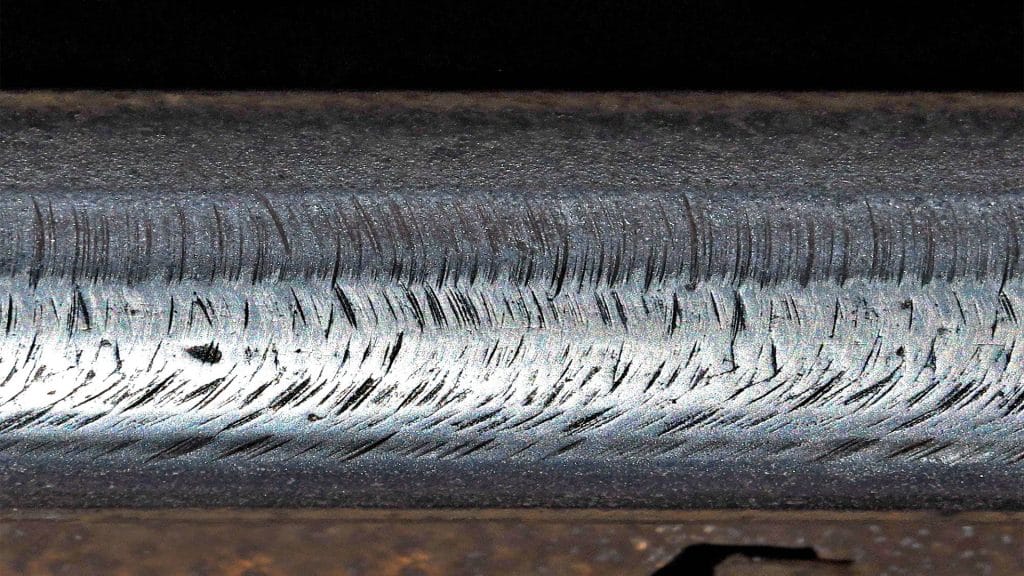
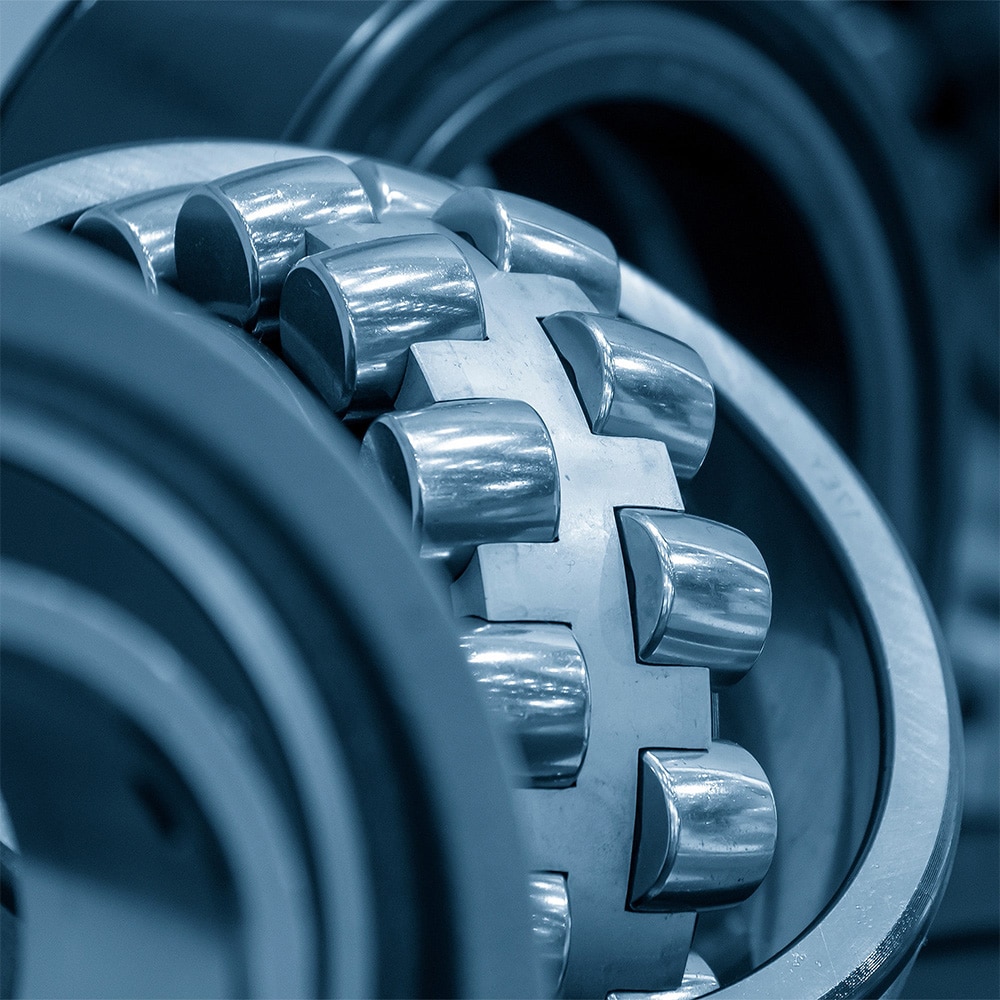
Diamond chrome plating is a high-performance chromium coating enhanced with a diamond co-deposit to improve wear resistance, reduce friction, and support demanding industrial applications.
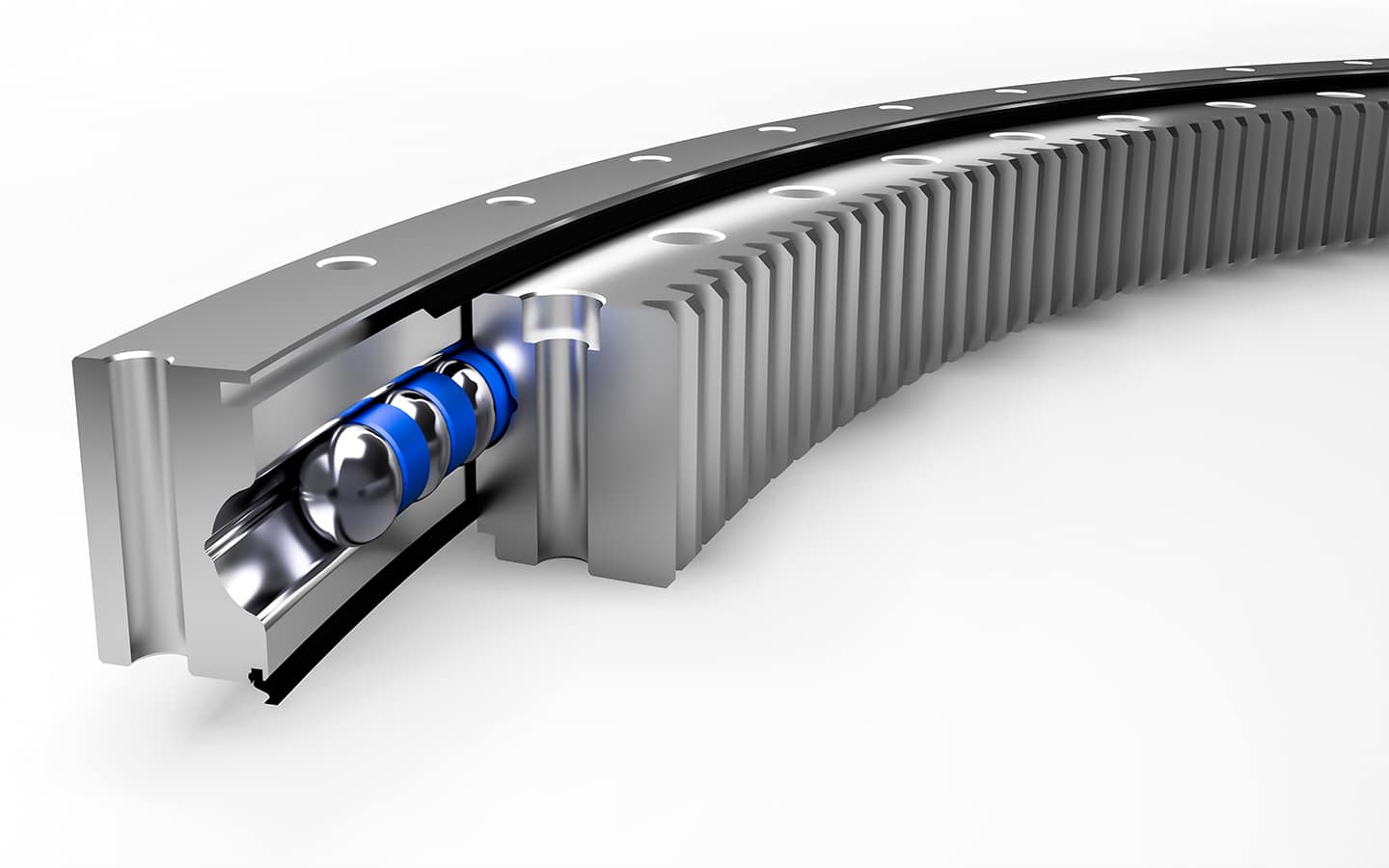
Armoloy Coatings
Armoloy Coatings
Diamond Chrome Plating
Chromium coating with a diamond co-deposit for abrasive wear resistance and low friction
What is Diamond Chrome Plating?
Diamond Chrome Plating is an engineered chromium coating enhanced with a diamond co-deposit to improve wear resistance and reduce friction in abrasive mechanical environments.
Built on Armoloy’s proprietary Thin Dense Chrome technology, XADC combines the hardness and dimensional control of precision chromium plating with the surface durability of embedded diamond particles. These particles transform the behavior of the chromium layer, helping the composite surface resist abrasive wear, minimize surface-to-surface contact, and lower the coefficient of friction in applications exposed to sliding motion, high contact loads, and intense heat.
Unlike other industrial coatings that may rely on thicker deposits to achieve wear protection and require costly post-plate machining, XADC is applied as a thin, controlled deposit. This allows components to maintain their original geometry and tight dimensional tolerances while gaining a durable protective surface.
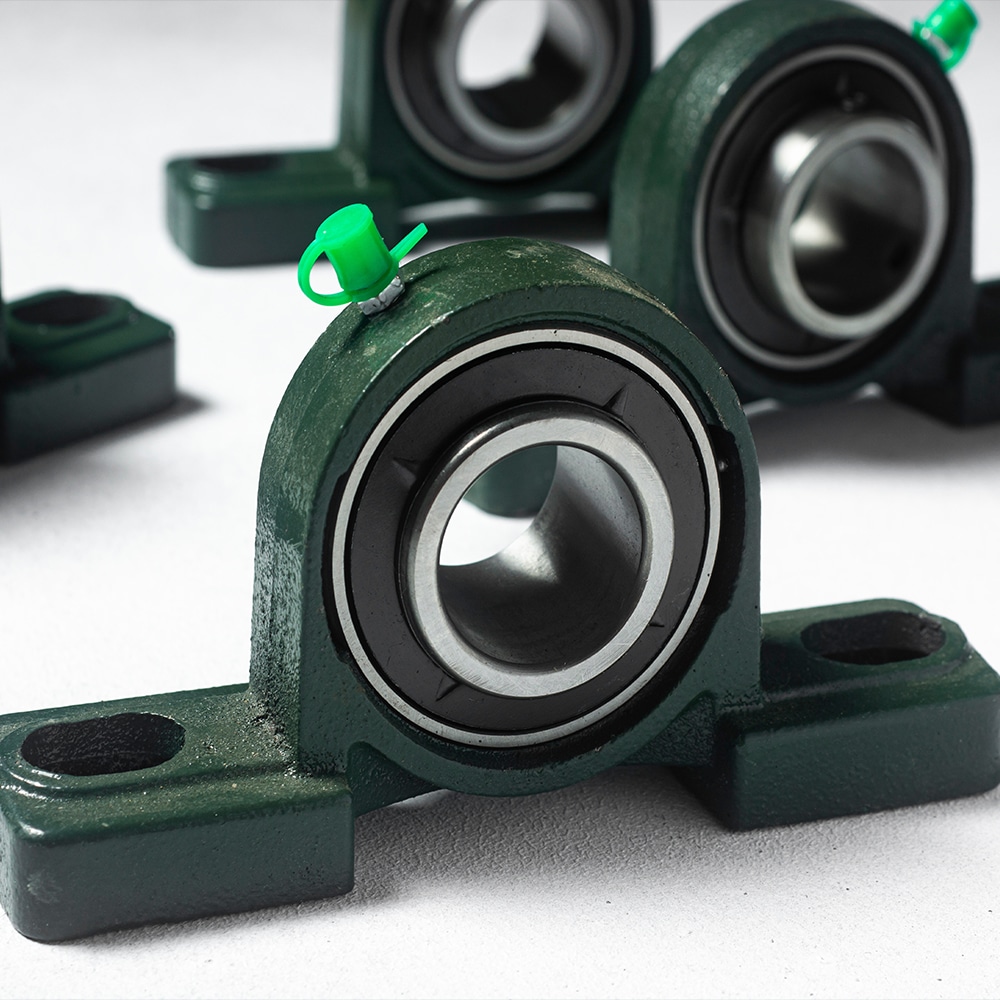
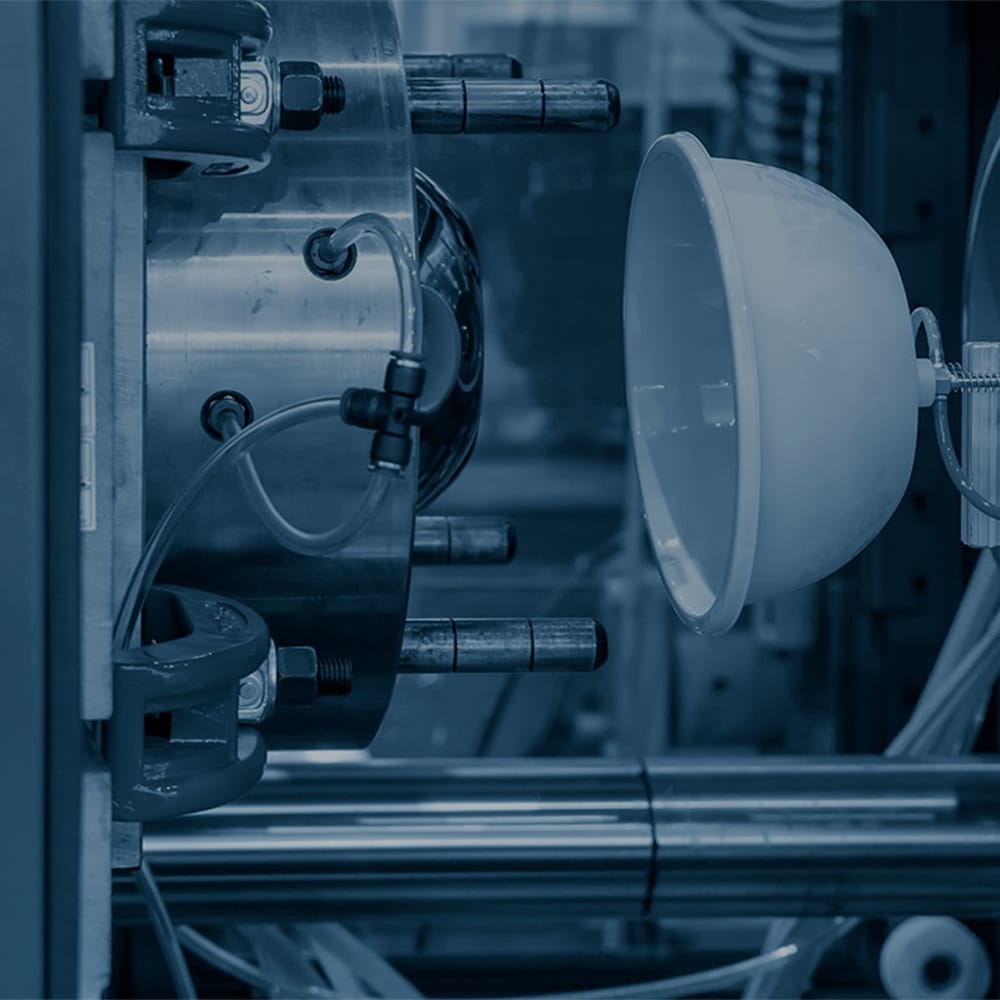
The resulting coating helps protect against abrasion, galling, scoring, and premature wear without altering part dimensions. XADC is commonly specified to extend the service life of hydraulic cylinders, shafts, high-speed bearings, industrial rollers, tooling, molds and dies, and pump components operating in severe service conditions.

Performance Characteristics
- Surface hardness up to 78 Rc
- Wear resistance less than 1.2 TWI per AMS 2438
- 10%–67% reduction in coefficient of friction
Process and dimensional control
- Low processing temperature below 150°F
- Typical deposit range of .0001″ to .0003″
- Effective deposit range of .000050″ to .0007″
Thermal Performance
- Withstands temperatures as high as 1600°F
- Thermal expansion range of 2.7–4.6 (10⁻⁶/°F)
Evaluate XADC® for your application. Request a Technical Datasheet
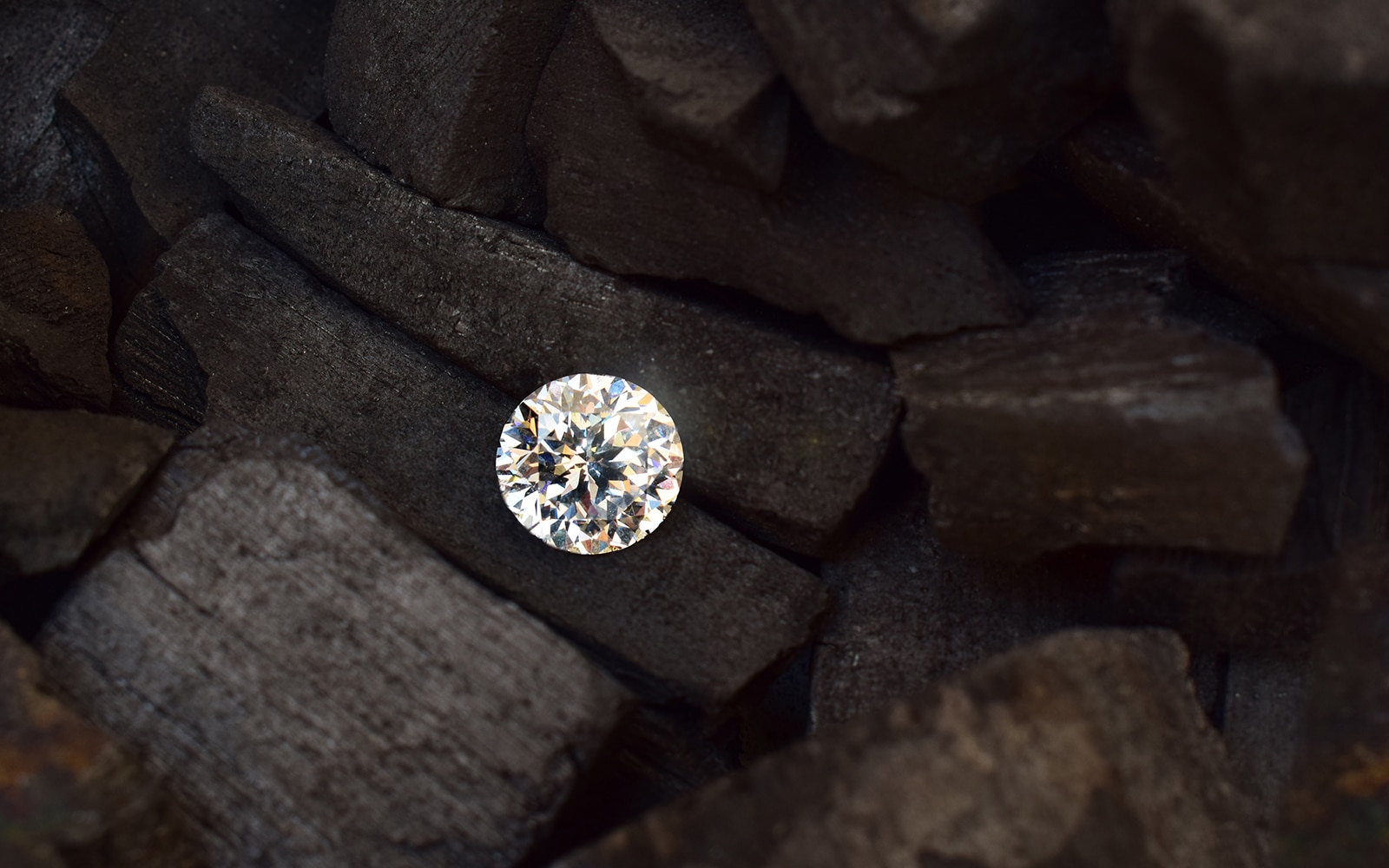
How the Diamond Co-Deposit Improves Wear Performance
XADC derives its performance from synthetic diamond particles distributed throughout a chromium deposit. These particles modify the coating’s surface characteristics, creating a harder and more wear-resistant structure than chromium alone.
Under sliding contact and abrasive conditions, surface damage often begins at microscopic high points known as asperities. As these surface features interact, friction, material transfer, and localized wear can occur. Over time, these mechanisms contribute to scoring, adhesive wear, galling, and surface fatigue.
The diamond co-deposit helps resist these failure modes by reinforcing the chromium matrix and altering the contact mechanics between mating surfaces. By reducing the real area of contact, the coating minimizes sliding resistance and helps limit the surface damage that accumulates during repeated mechanical loading.
This composite structure is particularly beneficial for components exposed to abrasive materials, boundary lubrication conditions, or continuous sliding contact. The result is a coating that maintains low friction, resists wear-related damage, and helps preserve the functional surface of critical components over longer service intervals.
Request a Coating Consultation
Compare Armoloy Coatings
| Thin Dense Chrome
Flagship
|
Nickel | Hard Chrome | Xylan | Molybdenum Disulfide | |
|---|---|---|---|---|---|
| Common Industries | Precision Bearings, Medical Instruments and Devices, Robotics, Linear Motion Systems, Molds, Dies, and much more. | Packaging, Blister-Pack Molding, Automotive, Electronics, and more. | Shafts, Molds, Dies, Hydraulic and Pneumatic Rods, Industrial Rolls, and more. | Fasteners and Threaded Components, Molds, Pumps, Pistons, Valves, Marine Equipment, and more. | Microelectronics, Photovoltaics, Automotive, Sliding Applications, Vacuum Systems, and more. |
| Generally Used For |
Corrosion Resistance
Wear Resistance
Improves Machine Performance
|
Corrosion Resistance
Wear Resistance
|
Wear Resistance
Corrosion Resistance
|
Release
Corrosion Resistance
|
Release
Lubricity
|
| Advantages | Thin Dense Chrome is a pure metallic zero valence chromium coating that prevents metal failures and improves machine performance. | Nickel coatings are renowned for their corrosion and wear resistance. | Hard chrome plating is selected for applications that require surface durability, dimensional restoration, and reliable performance under load and motion. | Xylan is built for extreme environments where corrosion resistance, friction and wear reduction, and buildup prevention are paramount. | Molybdenum Disulfide is known for its exceptional lubrication, high load-bearing capacity, and temperature resistance. |
| Disadvantages | Thin Dense Chrome can be affected by prolonged exposure to saltwater and caustic environments. | Nickel coatings struggle with rolling contact fatigue, highly abrasive operations and, depending on the type of nickel coating, are typically applied in thicker layers than Thin Dense Chrome coatings. | Hard chrome coatings are typically very thick, often exceeding the requirements for precision applications. Moreover, they do not achieve a perfect bond with substrates and exhibit lower hardness compared to thin dense chrome. | Xylan coatings are sacrificial coatings designed to wear down with use, which creates the need for reapplication. | Molybdenum disulfide is also a sacrificial coating designed to wear down with use, and it struggles in humid conditions. While the coating performs extremely well in a vacuum, water vapor can often limit its applications. |
| Thickness |
1.27 – 25.4 µm
0.00005″ – 0.001″
|
2.54 – 76.2 µm
0.0001″ – 0.003″
|
25.4 – 762 µm
0.001″ – 0.03″
|
12 – 38 µm
0.0005″ – 0.0015″
|
5.08 – 7.62 µm
0.0002″ – 0.0004″
|
Armoloy coatings have passed the rigorous testing standards for the following accreditations:
- AS9100D
- ISO 9001:2015
- ISO 14001:2015
- REACH Compliance
- Nadcap
- ISO 19011
- RoHS Compliance
- WEEE Compliance
Armoloy can provide compliance with industry standards and specifications to include:
- Aerospace Material Specification SAE AMS2438 Plating, Chromium Thin, Hard, Dense Deposit
- Aerospace Material Specification SAE AMS2406
- Process Specification No. 180 Nodular Thin Dense Chromium (NTDC) Plating
- Aerospace Material Specification SAE AMS2460 | AMS-QQ-C-320, Chromium Plating (Electrodeposited)
- MIL—C-23422 Military Specification, Chromium Plating, Electrodeposited
- ASTM B650 Standard Specification for Electrodeposited Engineering Chromium Coatings on Ferrous Substrates
Diamond Chrome Plating Features & Benefits
Wear and friction
Diamond chrome plating improves hardness, reduces opposing surface contact, and lowers friction in parts exposed to abrasion and sliding wear
Dimensional control
Its thin, controlled deposit helps maintain tolerances, avoids heavy buildup, and reduces the need for post-plate machining
Thermal performance
The coating supports demanding applications by improving heat handling and helping components run cooler under extreme conditions
Adhesion and durability
Diamond chrome plating is designed to bond strongly to the substrate and resist chipping, peeling, and flaking in service
Additional Metal Treatments

Why Partner with Armoloy?
Armoloy can provide full surface engineering support for your project, starting from the discovery phase and continuing through a successful production launch. Whether coatings are considered during the initial part design phase or become necessary due to product failures in the field, our team can assist you at any stage in the process.
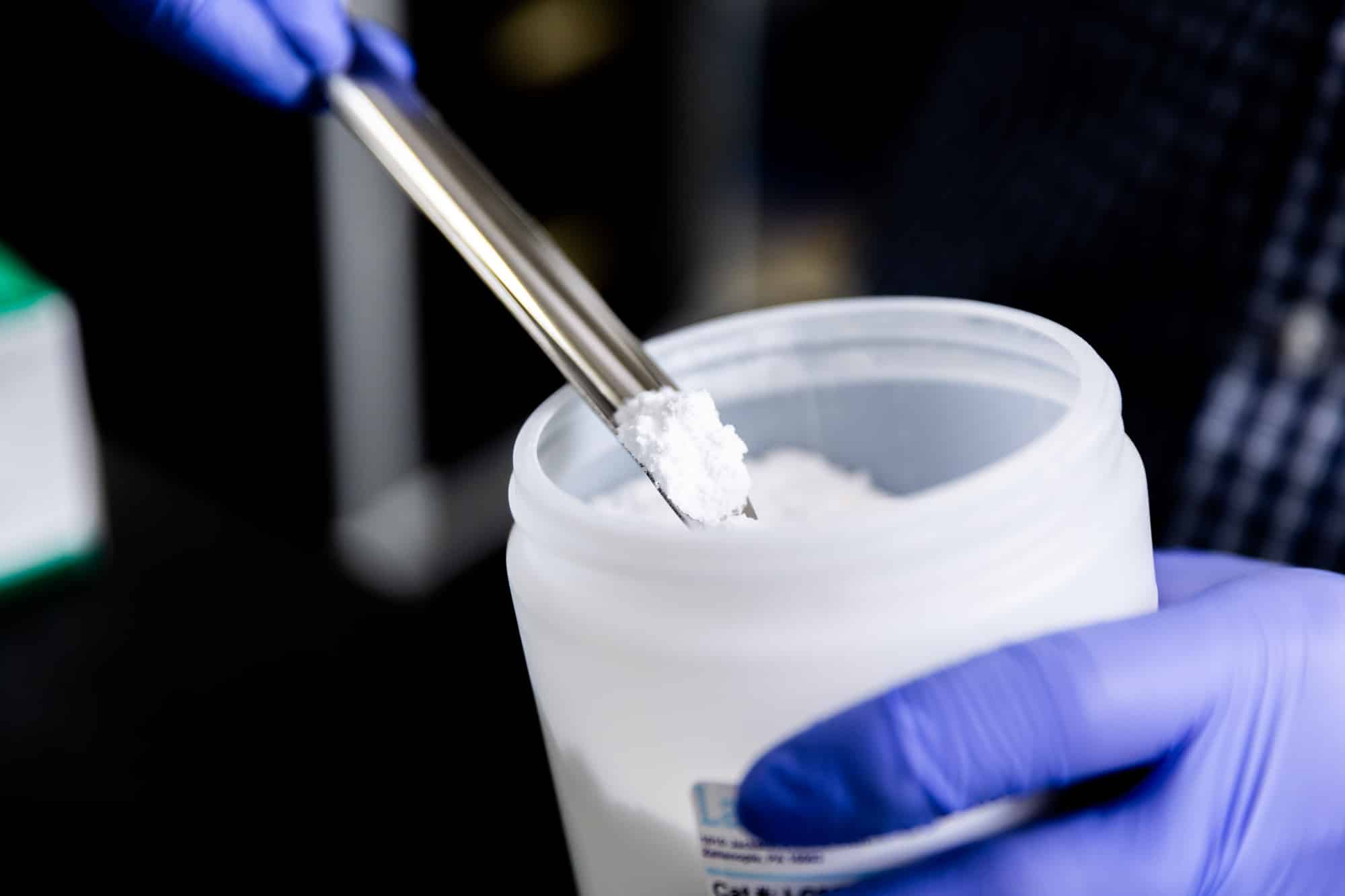
Research & Development
Fully equipped R&D plating lab for test runs, prototyping, and continual development of our plating technologies. Our turnkey approach ensures high-quality outcomes for your project.

Process Development & Validation
Support from design to product launch with coating selection, prototyping, testing, PPAP validation, and plating production on any scale. We also support a range of ASTM and AMS test methods with a NADCAP-certified laboratory.
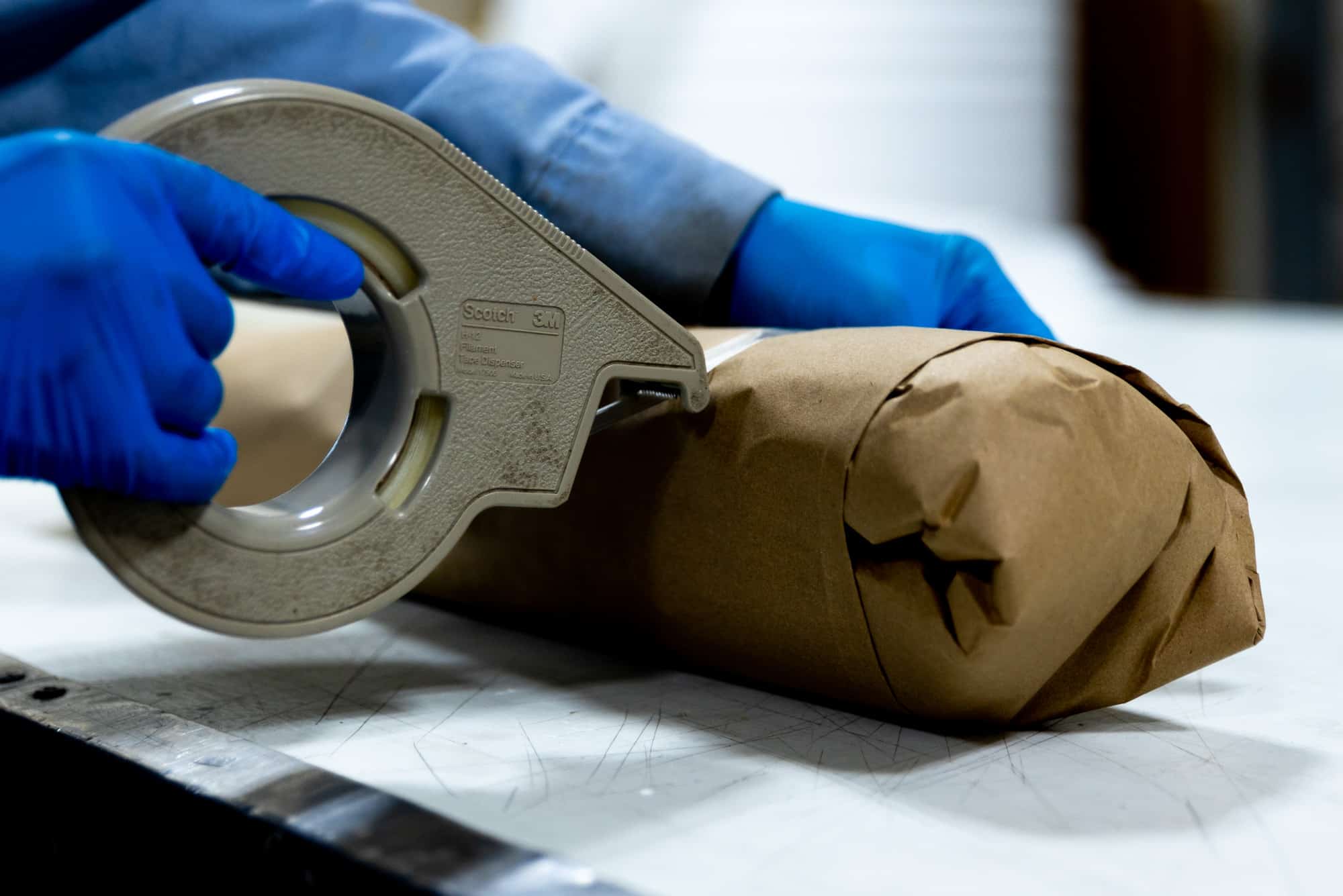
Fulfillment
Armoloy ensures the development of a robust plating process that can be distributed to one of our 15 plating facilities. We’ll handle prototyping, process validation, and much more.
How Metals Fail
Some of the most common metal failures include:
Armoloy’s different metal coating solutions help industries avoid costly metal failures and unplanned downtime.
Frequently Asked Questions
XADC is Armoloy’s diamond chrome plating solution for components that need greater abrasion resistance and thermal performance than standard chromium coatings alone.
It is typically used for parts exposed to severe wear, sliding contact, heat buildup, release issues, or tight tolerance requirements.
Diamond chrome plating is intended for applications that need more than conventional chromium protection, especially where wear resistance, lubricity, and dimensional control are critical.
Common examples include injection mold components, bearings, tooling, automation parts, aerospace components, and other precision wear surfaces.
XADC and Armoloy Thin Dense Chrome are both precision chromium coatings built for wear resistance, low friction, and dimensional control. The difference is that XADC incorporates a diamond co-deposit throughout the chromium layer to increase surface durability in more aggressive conditions.
Armoloy TDC is often used when components need thin, uniform chromium protection with strong wear and friction performance. XADC is typically specified when abrasive wear, scoring, galling, or service life requirements exceed what standard Thin Dense Chrome is designed to handle. For applications where corrosion performance is the primary concern, Armoloy may recommend a different coating structure, such as microcracked TDC or a hybrid coating system.
Yes. Diamond chrome plating is often selected for components that operate under continuous sliding or rotating contact. The coating can reduce friction while improving resistance to scoring, galling, and wear-related surface damage. Common examples include shafts, bearings, guide rails, wear surfaces, and other moving components where friction contributes to premature failure or reduced operating efficiency.
Yes. Diamond chrome plating is frequently used on molds, dies, mandrels, and other tooling components that experience wear during production. The coating helps improve surface durability, reduce sticking, and extend tooling life in repetitive manufacturing environments. Depending on the application, XADC may also be used as part of a refurbishment strategy to restore functional surfaces and improve long-term performance.
The service life of diamond chrome plating depends on operating conditions, contact loads, environmental exposure, maintenance practices, and the severity of wear mechanisms present in the application. While no coating has a universal lifespan, XADC is commonly specified to significantly extend component life compared to uncoated surfaces or conventional chromium finishes in high-wear environments. A coating engineer can help evaluate expected performance for a specific application. Contact us.
Diamond chrome plating costs vary based on component size, geometry, coating thickness requirements, surface preparation needs, inspection requirements, and production volume. Repair or restoration work may also affect project cost depending on the condition of the component. Because every application is different, the most accurate way to obtain pricing is through a technical review of the part and its operating requirements. Contact us.
When evaluating a diamond chrome plating provider, manufacturers should consider coating performance, process control, quality certifications, inspection capabilities, and application engineering support. Experience with your industry, operating environment, and specific wear challenges is also important. A qualified provider should be able to review your part, understand the failure mode you’re trying to solve, and recommend an appropriate coating strategy based on performance requirements and service conditions.
Yes. XADC can be applied to worn shafts, hydraulic rods, rollers, bearing surfaces, and other precision components to restore functional surfaces and extend service life. Depending on the application and dimensional requirements, the coating may be used as part of a refurbishment strategy to recover wear-damaged areas while preserving the original component.
Unlike replacement, which often involves significant downtime costs, restoring a component with XADC can return critical surfaces to service while providing improved resistance to future wear. The coating’s controlled thickness and high hardness make it particularly valuable for parts that must maintain tight tolerances after repair.
A coating engineer can evaluate the component geometry, wear condition, and performance requirements to determine whether restoration with XADC is appropriate for the application.
Talk with Armoloy about whether diamond chrome plating is the right fit for your part, process, or production environment.
Request Information