
What are Chromium Coatings?
Chromium coatings refer to any type of coating made with chromium, such as Armoloy’s flagship thin dense chrome; additionally, hard chrome, flash chrome, and decorative chrome are all different types of chromium coatings. These coatings are applied through a process known as electroplating, which uses electrical currents and a coating bath to deposit a thin layer of chromium onto a metal object. There are numerous benefits to coating metal with chromium, including corrosion resistance, improved lubrication, increased strength, and enhanced chemical resistance.
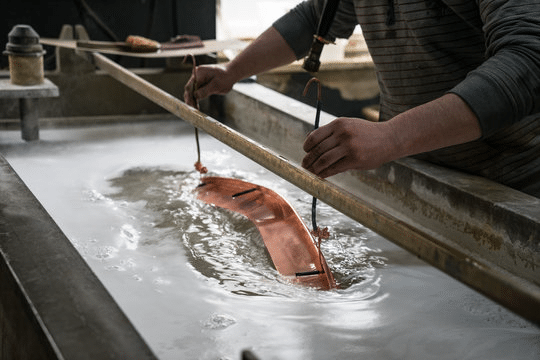
An image featuring a bronze piece being electroplated.
How Do Chromium Coatings Reduce Friction?
How do chromium coatings reduce friction? Chromium coatings reduce friction in part through micro-nodularity, a microscopic surface condition made up of small, raised nodules across the coating. These nodules reduce the real area of contact between the coated part and the opposing surface.
A useful analogy is placing a sheet of material on a bed of tiny ball bearings. The sheet is still supported, but it is no longer dragging across one broad, continuous surface. Instead, contact is distributed across many small points, which reduces resistance and makes movement easier.
Micro-nodular chromium coatings work in a similar way, though the nodules are fixed surface features rather than rolling elements. When another surface moves against the coating, it contacts the microscopic high points instead of the full surface area. This helps reduce drag, adhesion, galling, and wear.
This is one reason thin dense chrome coatings are used on components that need improved release, smoother movement, and better resistance to friction-related surface damage.
Examples of Chromium Friction Reducing Coatings
Chromium coatings can reduce friction in most applications where friction exists. Because of this, there are too many examples to list succinctly here, but some of the more common ones will be noted.
The Medical Industry
For an industry where lives are constantly on the line, chromium coatings must provide consistent and reliable resistance to friction in applications such as implantable devices, including dental, cardiovascular, pacemakers, stents, and orthopedic devices, diagnostic equipment components, such as imaging housings, analyzers, and MRI parts, and robotic-assisted medical systems.
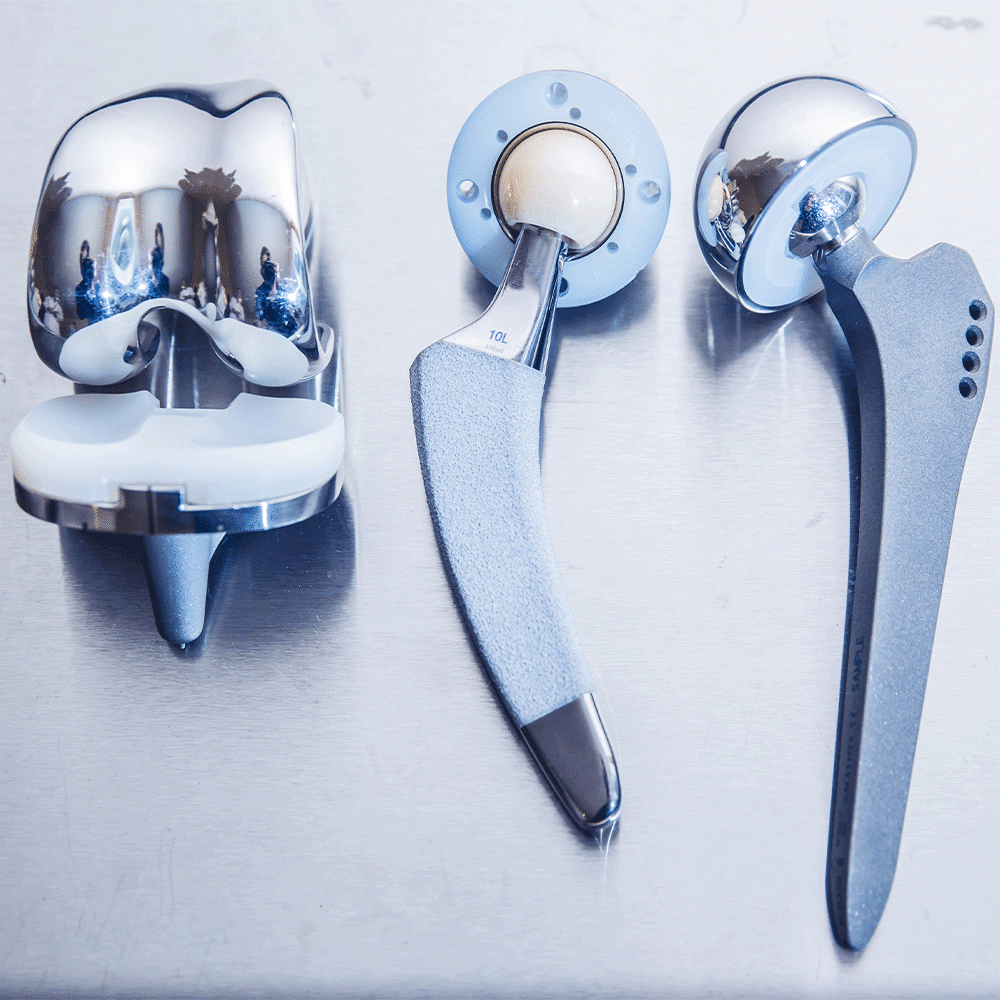
An image showing a chromium coated implant.
The Aerospace Industry
Chromium coatings are uniquely well suited for industries that require consistent, reliable, and friction-resistant metals. Some applications in which chromium coatings can reduce friction include actuator rods, pistons, control rods, pump and compressor components, fuel and fluid handling components, and MRO applications.
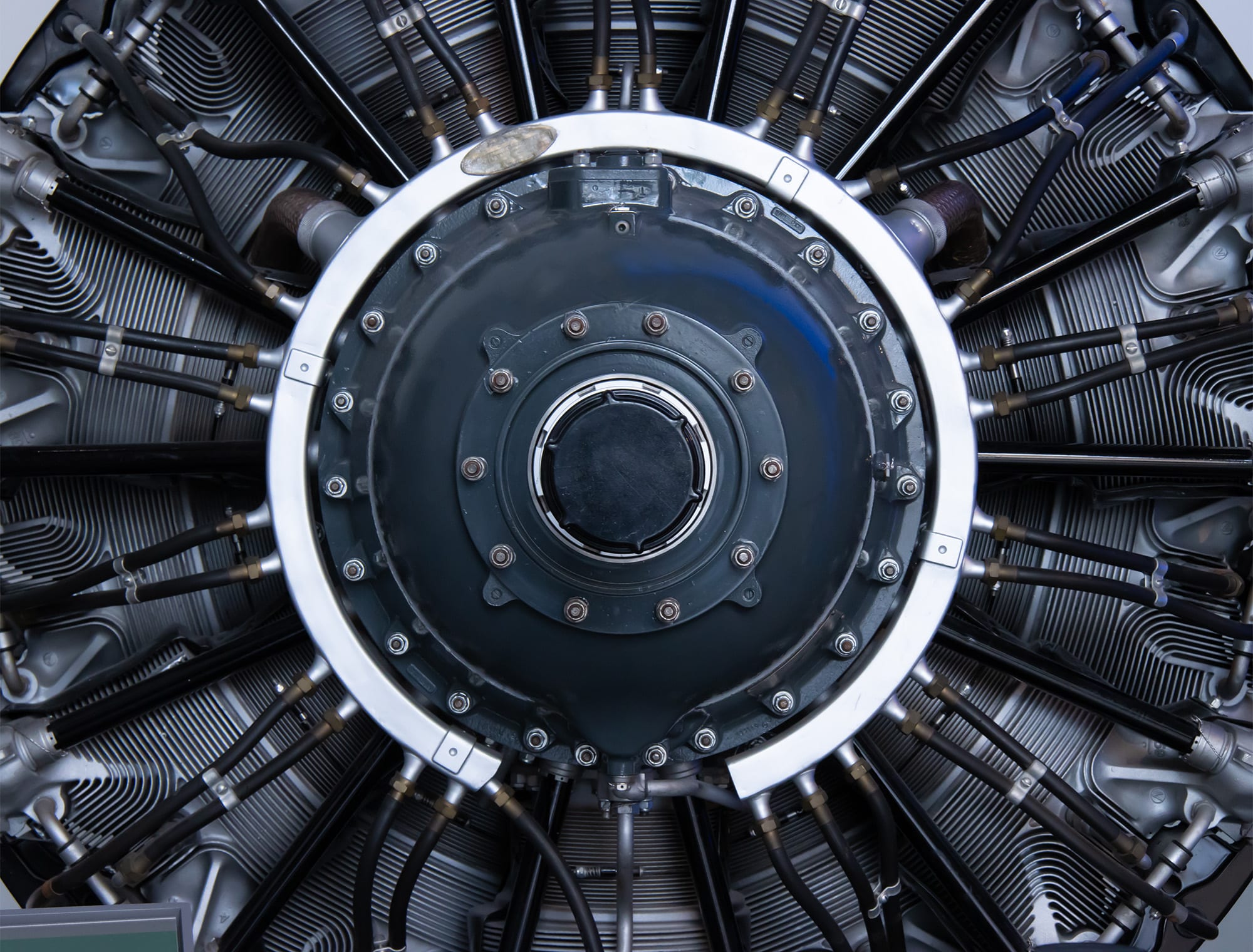
An image showing an aircraft engine, with many parts that could be coated with chromium coatings
Bearings
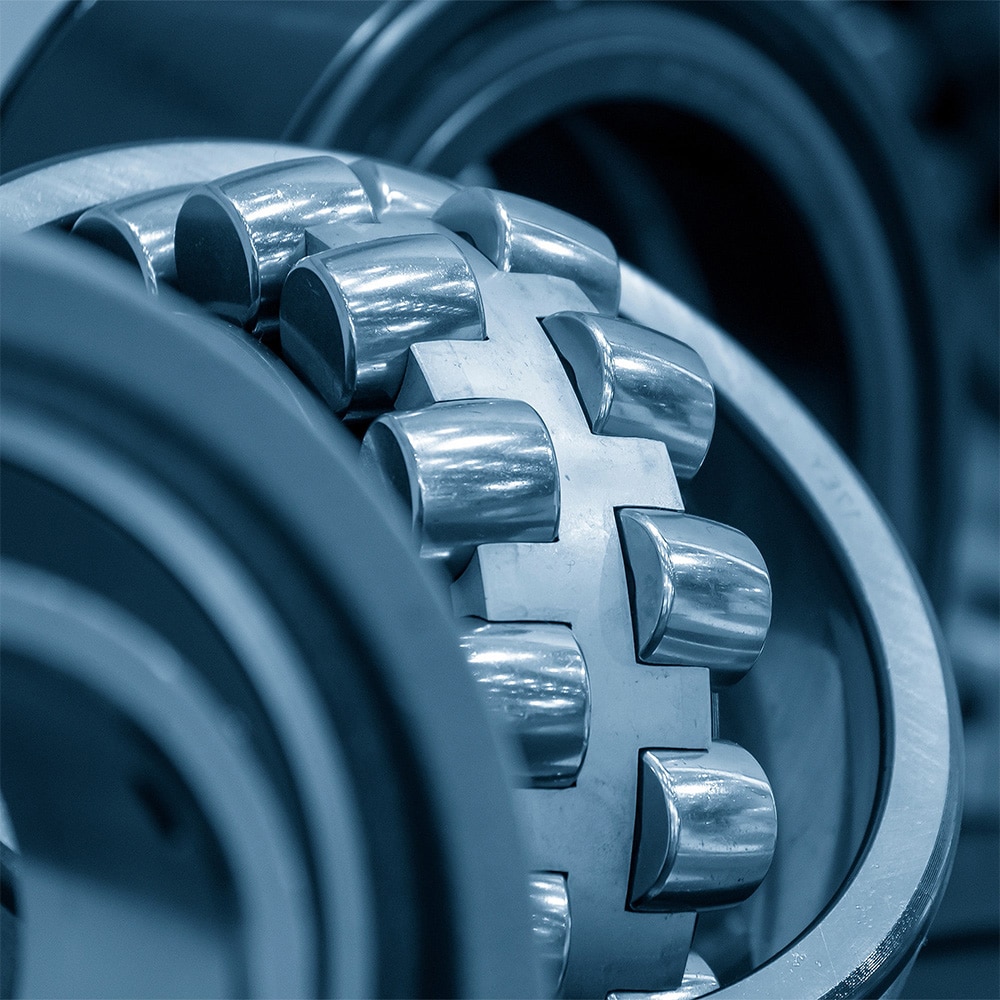
For a part like bearings, friction resistance is of utmost importance to ensure smooth and continuous operation. Whether subjected to high speeds, heavy loads, or corrosive environments, chromium coatings can provide vital friction resistance for dependable use in aerospace turbines, EV drivetrains, medical robotics, industrial automation, marine systems, and more.
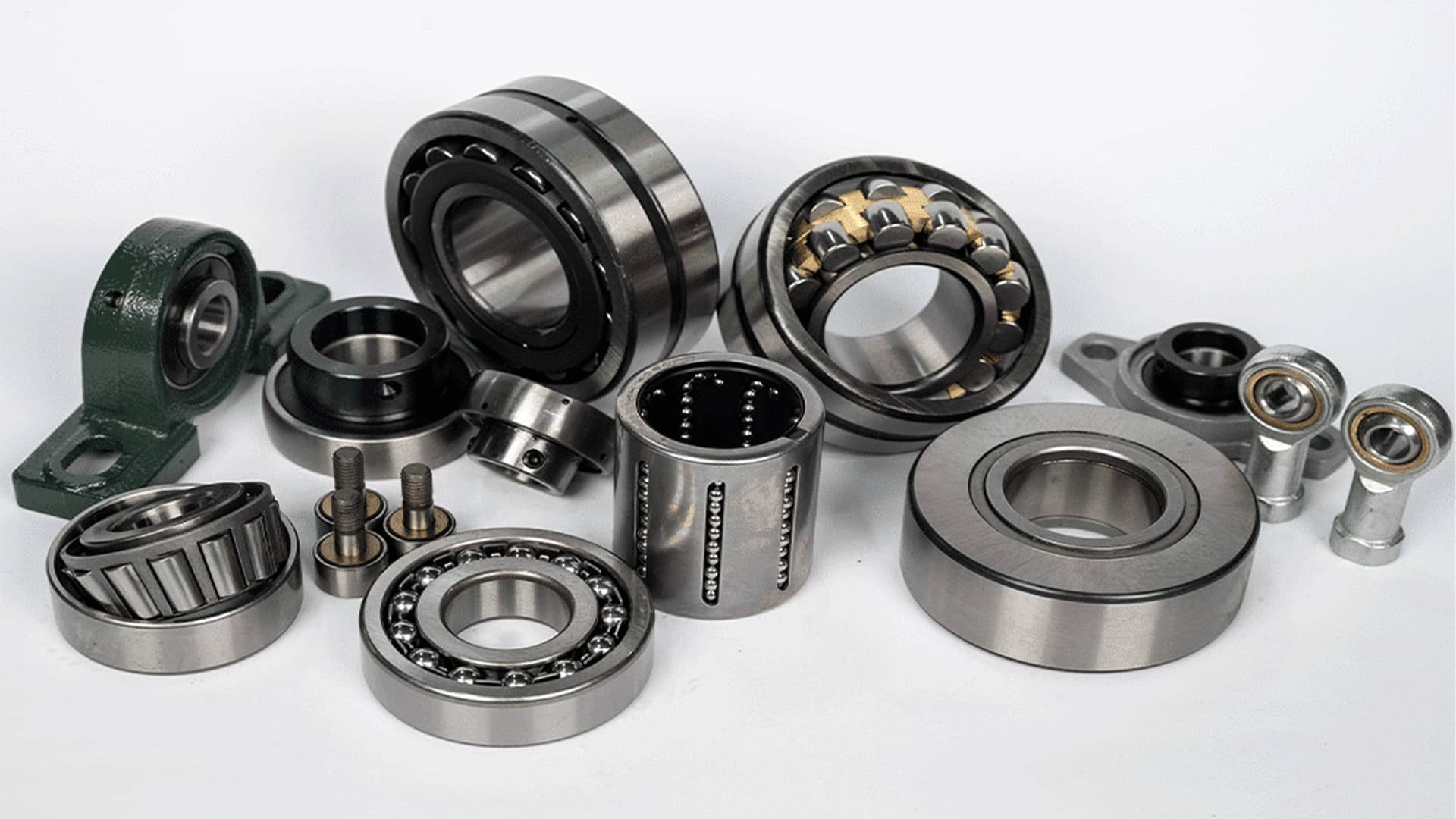
A photo showing different types of bearings
The Automotive Industry
From hydraulic systems to moving mechanical assemblies, automotive parts depend on surfaces that can withstand repeated motion and contact. Chromium coatings help reduce friction, limit wear, and support reliable performance on selected components such as bushings, cylinders, gears, sprockets, hydraulic valves, pistons, pumps, shafts, and liners.
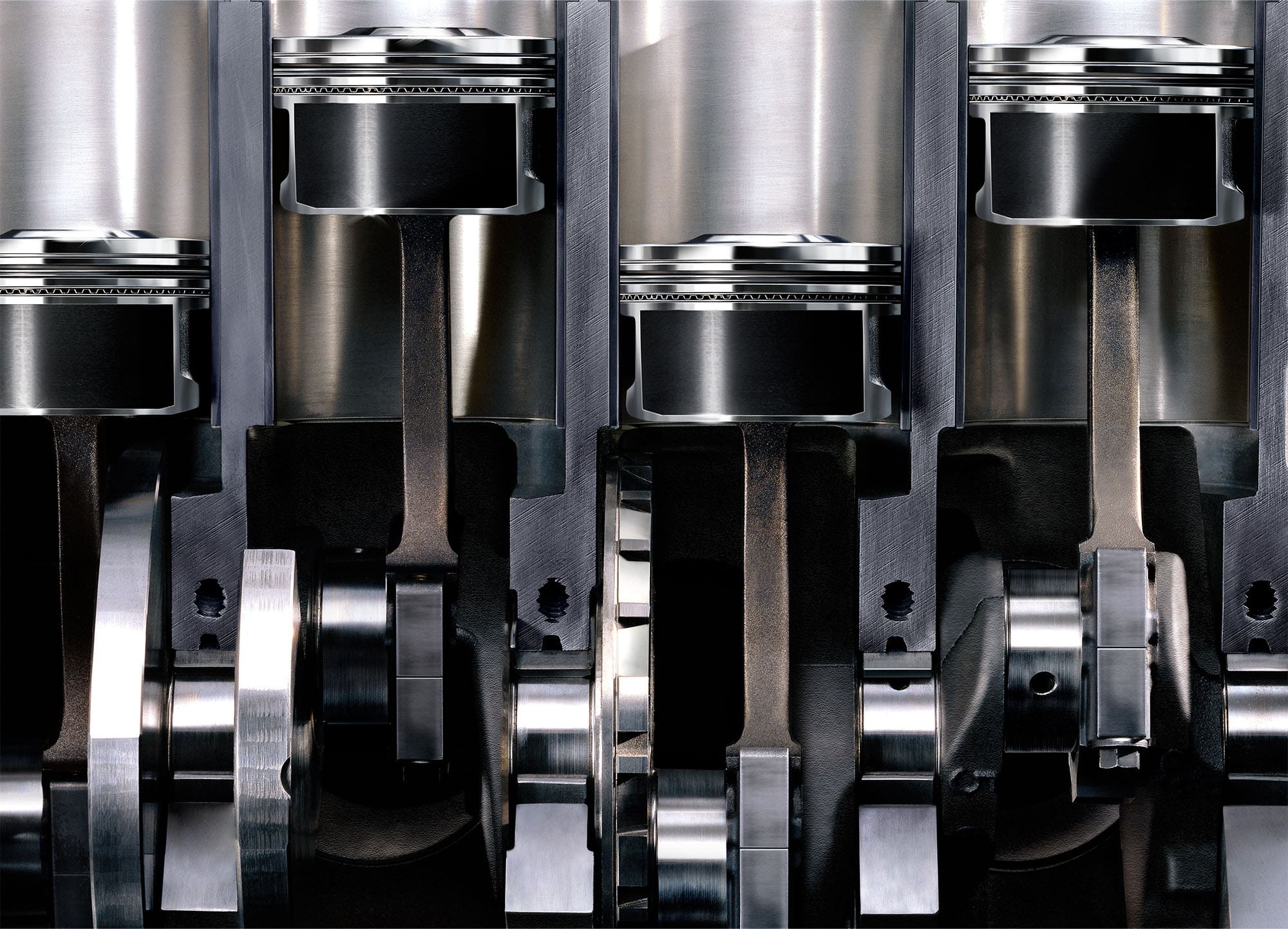
An image showing pistons within a car engine
Other Applications for Chromium
Chromium coatings support a wide range of applications where friction, sticking, galling, or wear can compromise performance. Connect with our engineering team to discuss your parts, operating conditions, and whether a chromium coating is the right solution.
Benefits of Friction Reducing Coatings
Greatly reducing the friction, wear, galling, sticking, and surface damage experienced by tools and equipment as they rub against other surfaces (or their own opposing surfaces, in many cases) produces several important benefits. For one thing, less money can be spent on repairs and replacements. Additionally, you can have more confidence in your tools and equipment to perform effectively and consistently.
In machinery, chromium coatings can help sliding, rotating, or contacting surfaces move more smoothly. This supports more consistent operation and can reduce the need for frequent adjustment, repair, or replacement of worn components.
Partner with Armoloy for Friction-Reducing Coatings
Need help reducing friction, wear, sticking, or galling? Armoloy’s engineering team can evaluate your material, part specifications, operating environment, and performance goals to help determine the right coating solution for your application.
Share on LinkedIn Share on Facebook