
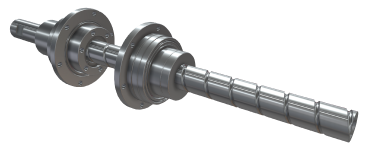
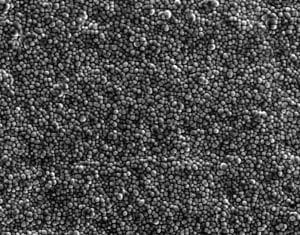
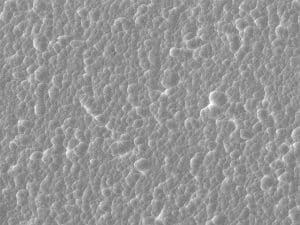
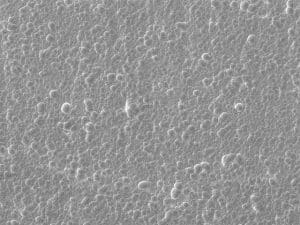
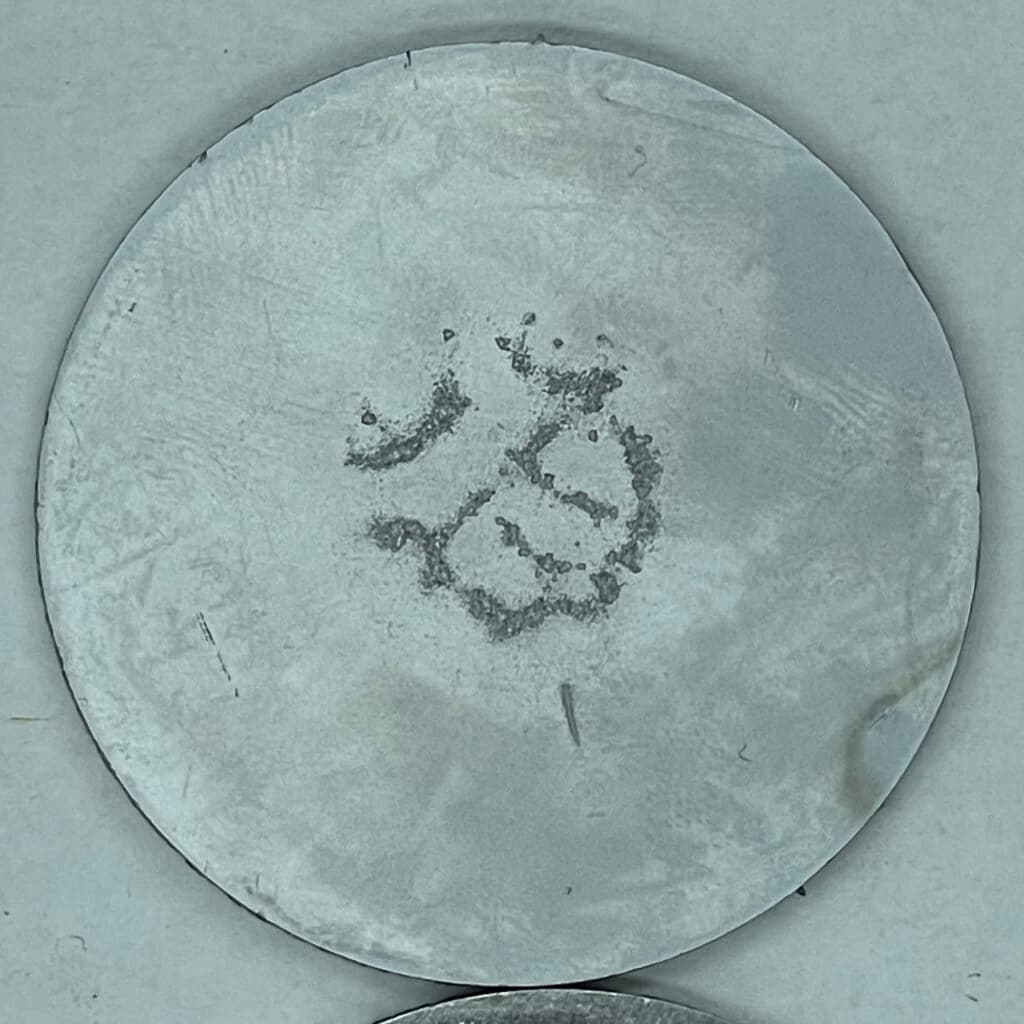
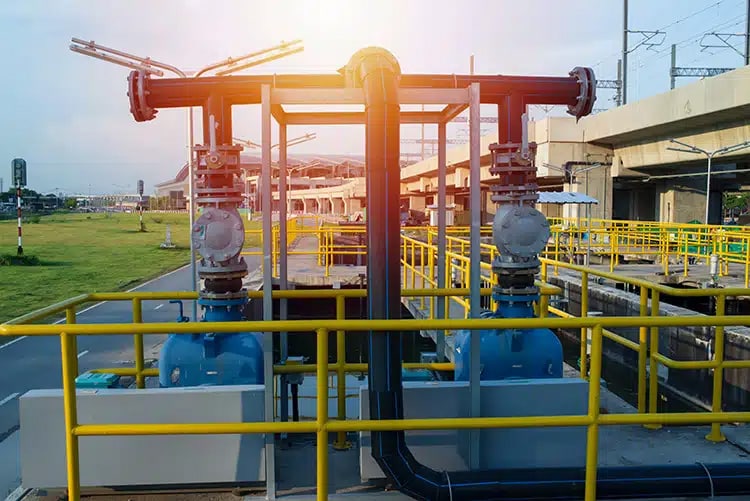
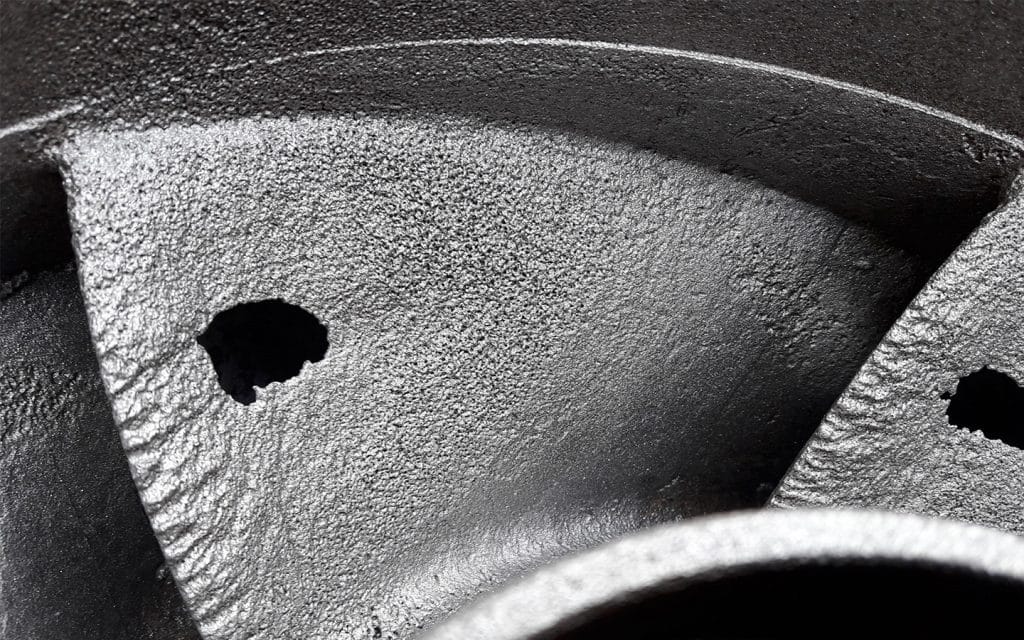
Armoloy coatings enhance pump performance by providing exceptional wear resistance, corrosion protection, and low friction on critical parts like shafts, impellers, sleeves, wear rings, plungers, and bearings. These benefits help reduce internal leakage, minimize abrasive wear, and extend the service life of components operating under high loads or in chemically aggressive environments.
industry solutions
industry solutions
Pump Coatings
Protect pumps from wear and corrosion across centrifugal, rotary, and screw pump systems.
surface solutions for pumps
Pump Coatings at a Glance
Industrial pumps use components such as impellers, shafts, sleeves, and housings to move fluids and gases over long duty cycles. These parts are in constant contact with process media and operate under continuous mechanical motion, so surface integrity directly affects how the pump runs.
Armoloy engineers pump coatings to protect surfaces prone to wear. Hard, wear-resistant coatings protect components exposed to abrasive media, while corrosion-resistant chemistries shield surfaces from aggressive fluids.
Applied with controlled thickness and uniform coverage, these coatings integrate cleanly with centrifugal, rotary, and screw pump designs without changing part geometry, balance, and improving flow characteristics.
Surface finish matters as well. Ultra-smooth coatings reduce friction between moving parts, helping limit energy loss and heat generation. The result is a pump that runs more efficiently, with less stress on core components and fewer unplanned failures.
Why Pump Components Fail
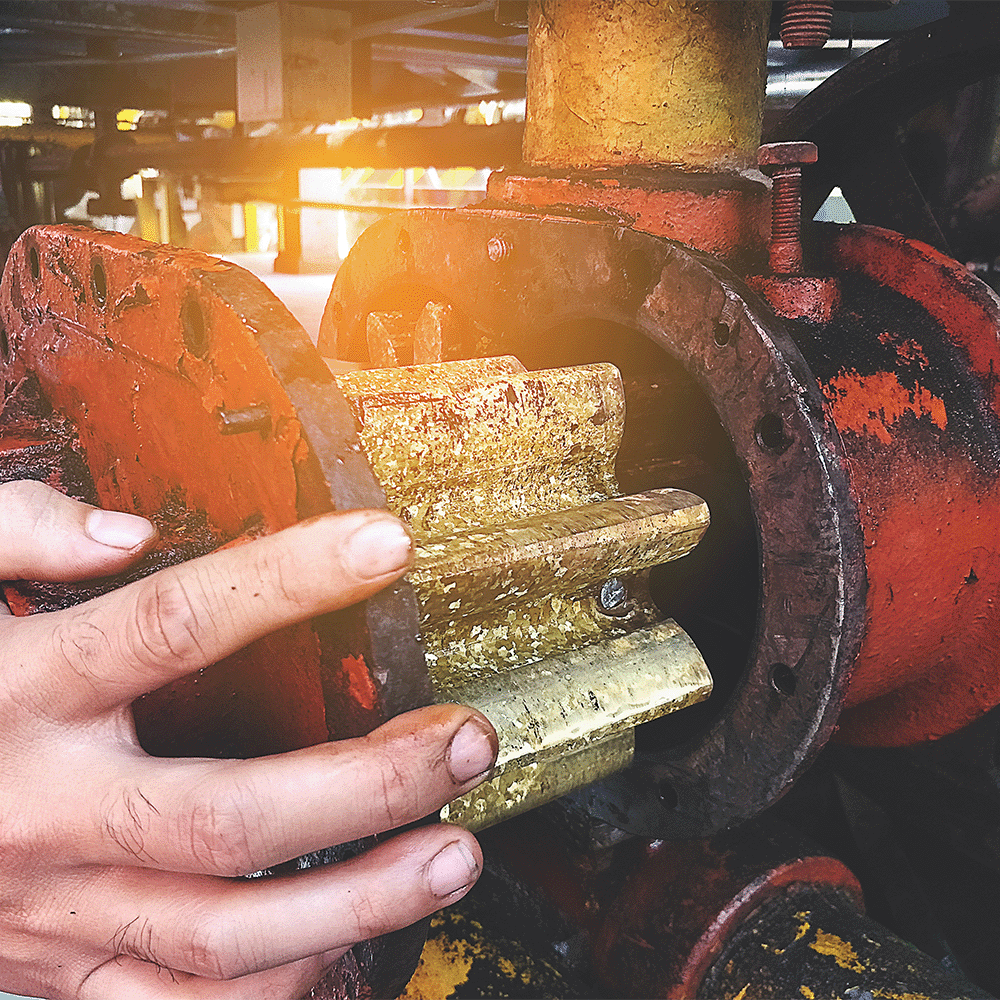
Pump components operate in environments that steadily break down exposed surfaces. Abrasive particles and slurries wear away metal over time, while corrosive fluids such as chemicals, seawater, and wastewater attack surfaces at a chemical level.
In many pump systems, pressure fluctuations also lead to cavitation, where collapsing vapor bubbles erode component surfaces and accelerate material loss.
At the same time, pumps rely on tight clearances and continuous motion to operate efficiently. As surfaces roughen or degrade, friction increases, heat builds, and efficiency begins to drop. Even small changes at the surface level can disrupt clearances, increase internal leakage, and shorten service life.
Armoloy pump coatings address these failure mechanisms by engineering surface properties where degradation begins.
“We see the same failure patterns across pump systems again and again — abrasion, chemical attack, cavitation, friction. The common denominator is surface breakdown. When you control surface properties with precision, you can dramatically change how long a pump performs as designed.”
Industrial Pump Coatings
Pump Coatings Applications
Armoloy pump coatings support a wide range of industrial pump systems and component-level applications, including:
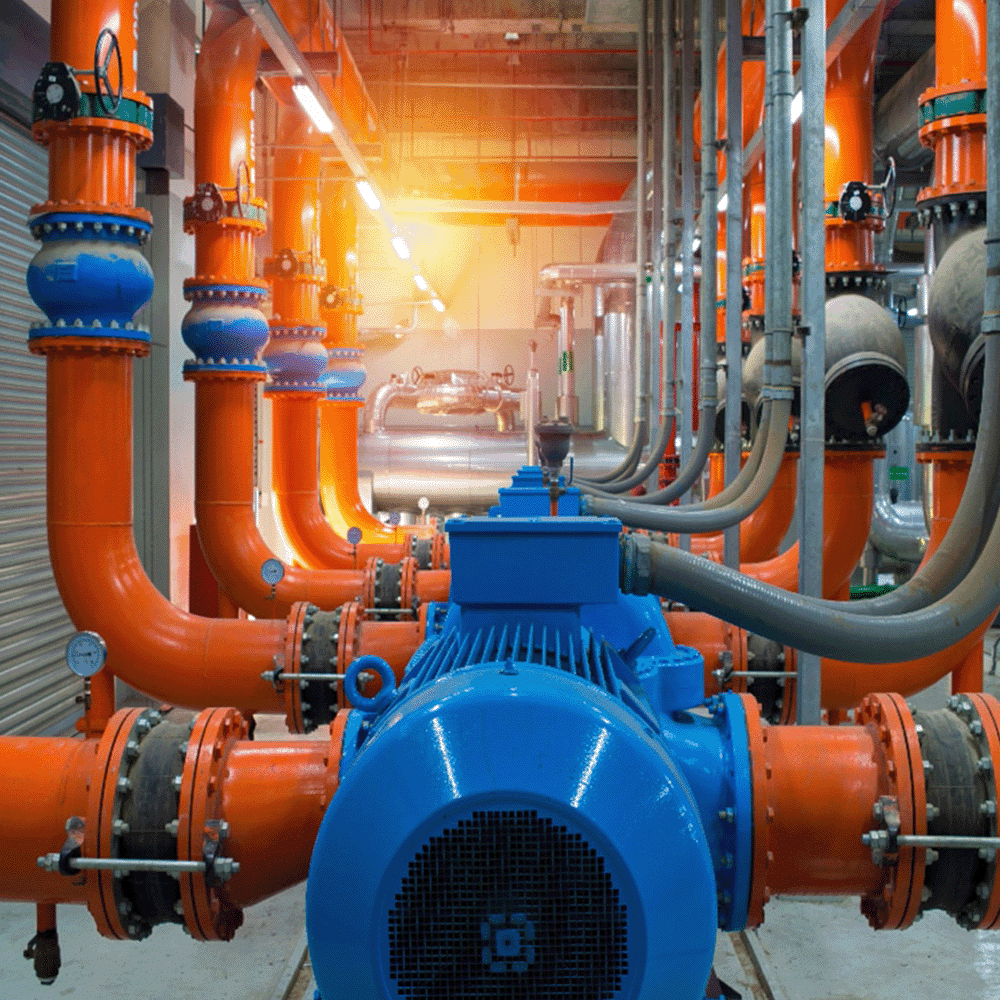
Centrifugal Pumps
- Impellers and diffuser surfaces
- Pump shafts and shaft sleeves
- Wear rings and internal clearance components
- Pump housings and volutes
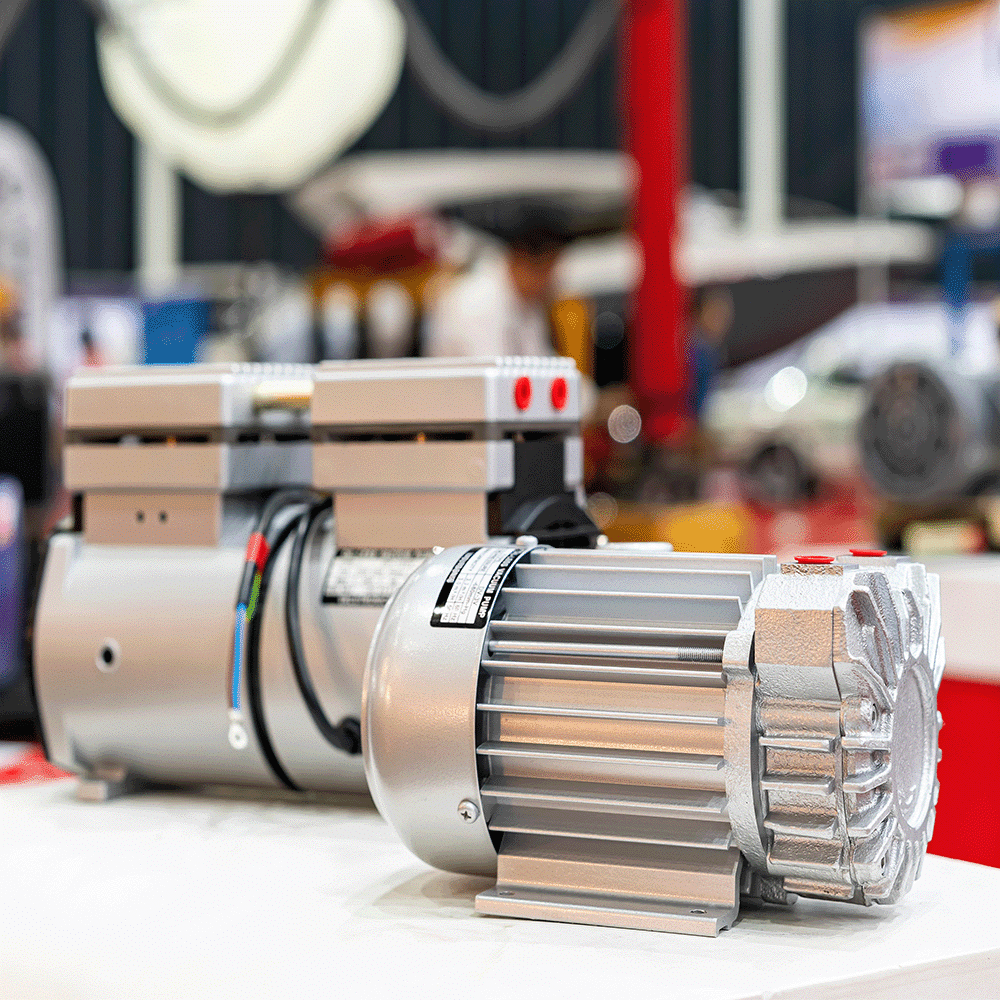
Rotary Pumps
- Drive shafts and journals
- Sleeves, bushings, and internal wear surfaces
- Housings and rotating assemblies
- Sliding interfaces and contact surfaces
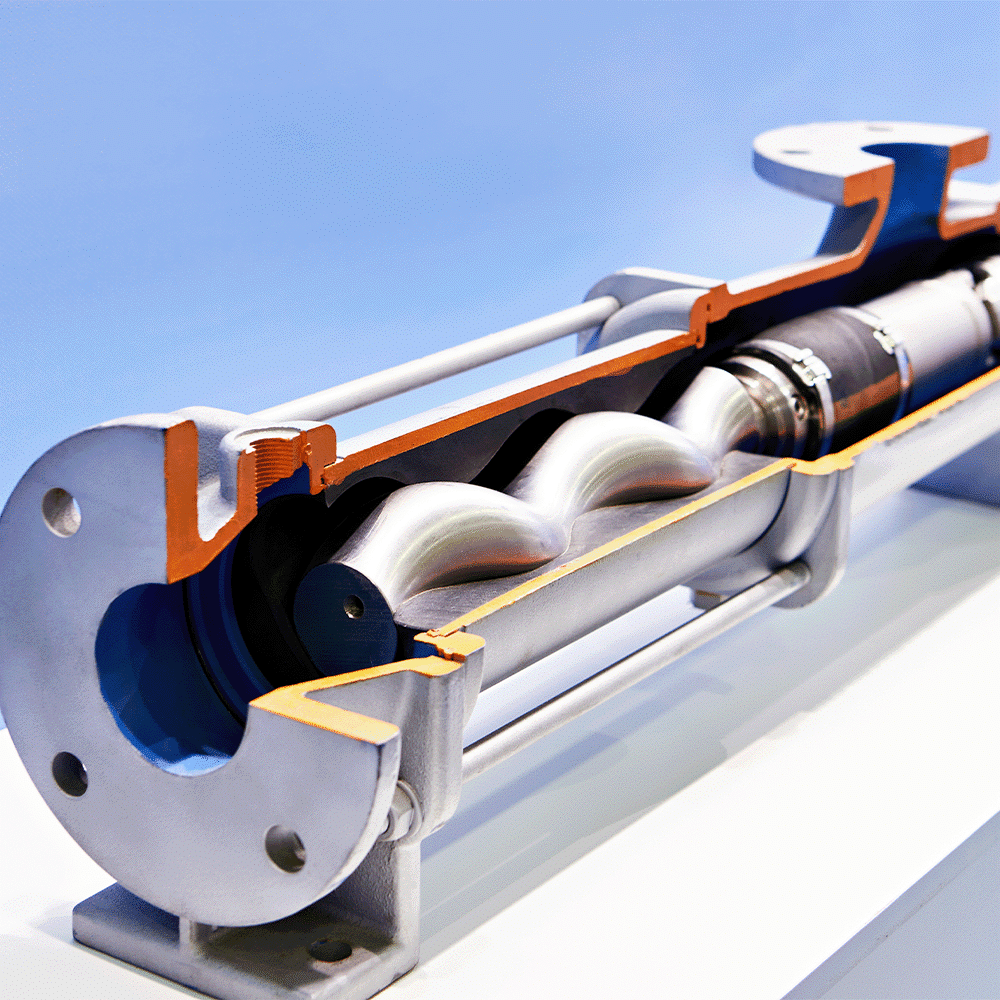
Screw Pumps
- Pump screws and rotors
- Shafts and bearing journals
- Internal sleeves and wear components
- Housing bores and internal surfaces
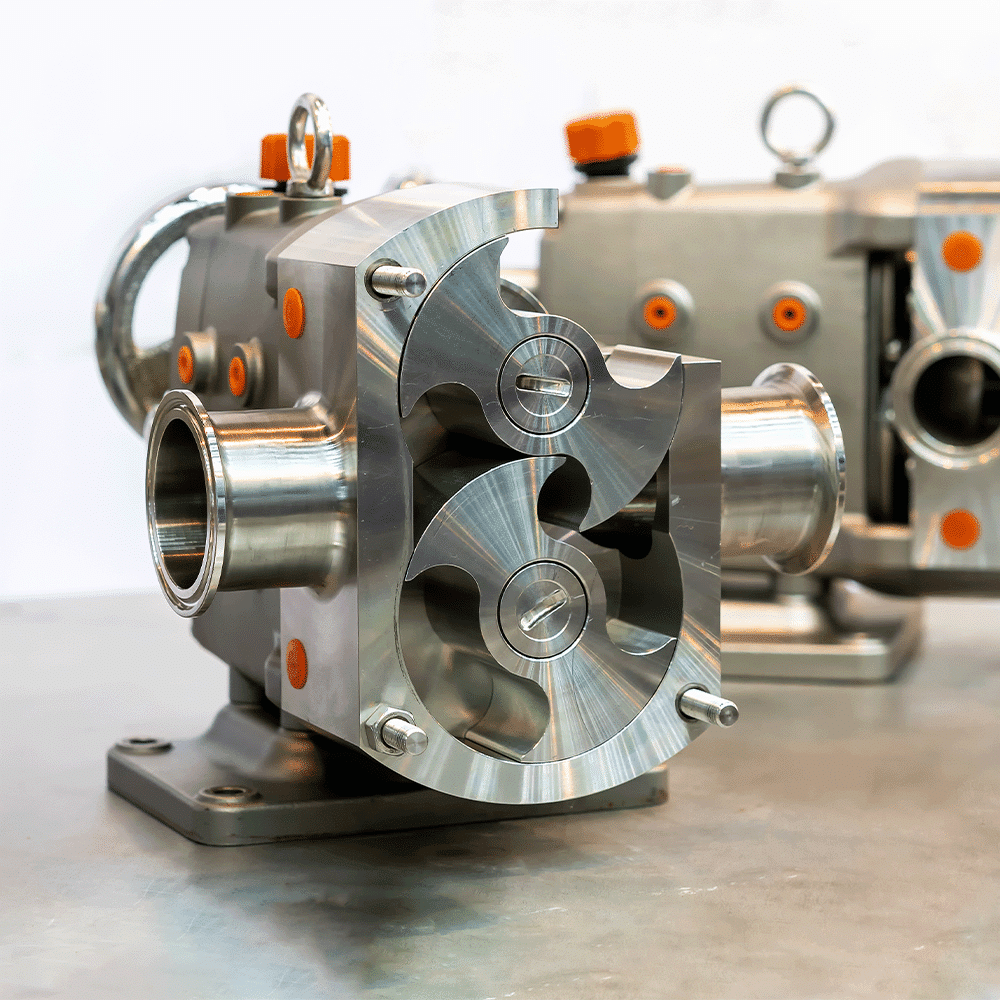
Roots Blowers and Vacuum Pumps
- Rotors and lobes
- Shafts and bearing interfaces
- Internal housings and close-clearance surfaces
- Sliding and contact areas in continuous-duty operation
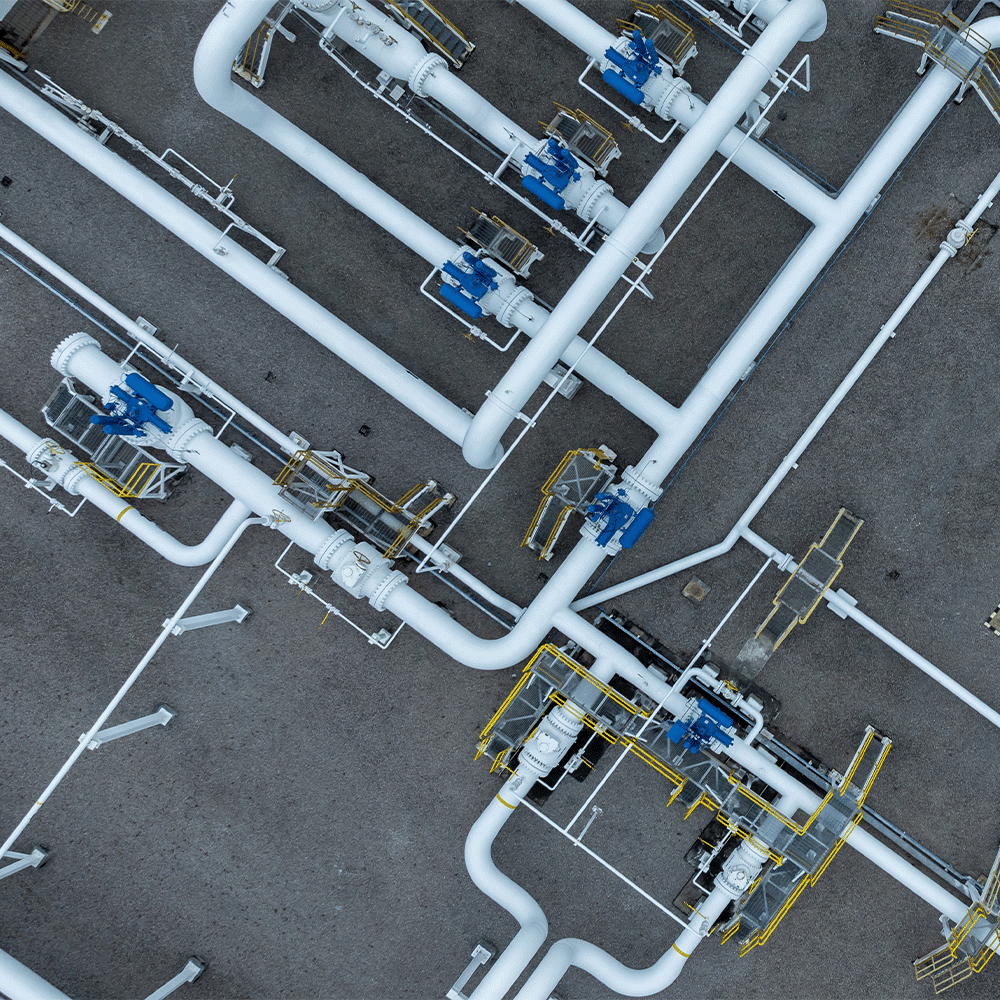
Specialty and Process Pumps
- Chemical and process pump components
- Wastewater and slurry pump internals
- Food and sanitary pump components
- Gas-handling and vacuum system components
Pump Metal Failures and Solutions
Some common metal failures and solutions that affect pump applications.
Armoloy’s different metal coating solutions help industries avoid costly metal failures and unplanned downtime.
Benefits of Armoloy Pump Coatings
Reduced wear on critical surfaces
Protects high-contact pump components where surface degradation begins
Improved pump efficiency
Low-friction surfaces help reduce energy loss during continuous pump operation
Extended component service life
Coatings slow surface breakdown, helping pump components stay in service longer
Predictable maintenance intervals
More stable surfaces lead to fewer surprises and easier pump maintenance planning
Protection without dimensional change
Controlled coating thickness preserves tight clearances and pump component geometry
Lower total cost of ownership
Extends component life without the need for exotic pump materials
Application-specific coating selection
Coatings are matched to pump design, duty cycle, and operating conditions
Proven, repeatable processing
Validated processes deliver consistent results across pump components
Why Choose Armoloy?
Start-to-Finish Surface Solutions
- From early-stage consultation to final inspection, we manage every step in-house, backed by a full metallurgical lab and decades of coating expertise.
Proven Process Development
- Our innovation center builds repeatable, validated processes you can count on. Wherever your coating is fulfilled, it’s done to the same precise spec.
Global Fulfillment, Local Support
- With coating centers and logistics support across the globe, we deliver fast, consistent quality wherever your operations are.
Tested. Trusted. Certified.
- Armoloy coatings meet rigorous regulatory and industry standards, from RoHS and REACH to ISO and Nadcap. See our full list of Accreditations and Specifications.
Process Accreditations at Armoloy
Armoloy coatings have passed the rigorous testing standards for the following accreditations:
- AS9100D
- ISO 9001:2015
- ISO 14001:2015
- RoHS Compliance
- Nadcap
- WEEE Compliance
- REACH Compliance
- NAMSA
- ISO 19011
Coating Specifications at Armoloy
Armoloy’s coatings comply with ASTM B733-22 and MIL-C-26074, ensuring excellent corrosion resistance and durability with no part distortion. Our specialized processing tanks adhere to stringent ASTM and MIL specifications, providing high-quality coatings for all ferrous and non-ferrous base materials used in injection molding applications.
Frequently Asked Questions
Yes. Armoloy coatings are ideal for pumps exposed to slurries, saltwater, acids, solvents, or particulate-laden fluids. Their dense, hard surface protects against pitting, erosion, and chemical degradation, even in continuous-duty applications. This makes them especially valuable in chemical processing, mining, desalination, and wastewater treatment operations.
Not at all. Armoloy coatings are applied at controlled thicknesses as low as 0.00005″ and maintain excellent uniformity across complex geometries. This allows them to protect mating surfaces and rotating components without altering engineered tolerances, ensuring compatibility with precision pump assemblies and helping maintain hydraulic efficiency.
Facing wear or corrosion? Let’s extend your pump life.
Request Information

Partner With Us
Eliminate metal failure from your operations. Meet our group of curious, innovative engineers and learn how we can help improve your industry with science-based solutions.